Expert says this year’s El Nino is likely to break records
A leading ECMWF expert says this year’s El Nino is likely to become a record-breaking event. The climate pattern could intensify drought, flooding and other extremes across Asia, Africa, Australia and South America.

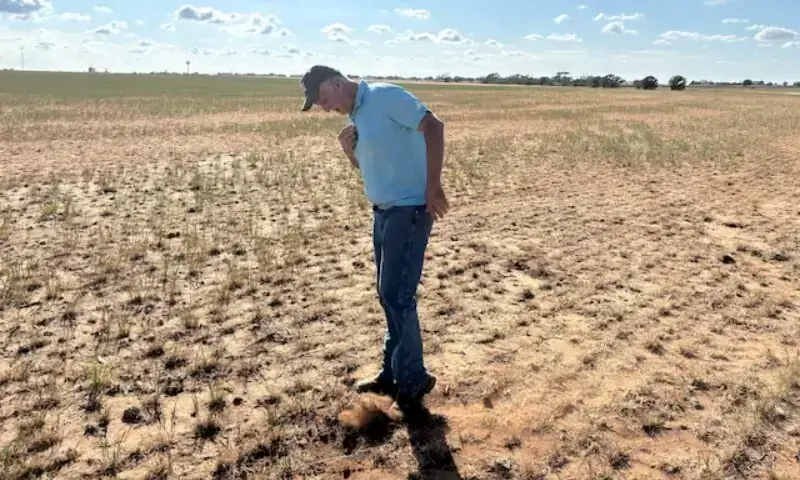
ISLAMABAD: This year’s El Nino is on course to become the strongest on record, according to Tim Stockdale, an El Nino specialist at the European Centre for Medium-Range Weather Forecasts (ECMWF), who warned that the phenomenon could bring drought, floods and other severe weather disruptions across different regions.
El Nino is a climate pattern that warms sea-surface temperatures in the central and eastern equatorial Pacific, altering wind systems, air pressure and rainfall around the world. It generally occurs every two to seven years and typically lasts nine to 12 months. Its effects can include drought in some areas and flooding in others.
Speaking at a media briefing on Tuesday, Stockdale said the current event stands apart from anything observed in more than three decades of monitoring. He said forecast models were indicating an extreme episode and added that the consistency and intensity shown in projections was unprecedented.
Stockdale said:
"I think it’s absolutely true to say we’ve never had a forecast of an El Nino that was so strong and so consistent across (forecast) models,"
He also said it would be highly unexpected if the event did not set a new benchmark.
"I would expect it to break records," he cautioned, however "but no guarantees."
Peak timing and heat impact
El Nino usually reaches its peak between November and February, but the associated rise in temperatures often appears later. The last El Nino, combined with human-driven climate change, helped make 2023 the second-hottest year on record and 2024 the hottest year recorded.
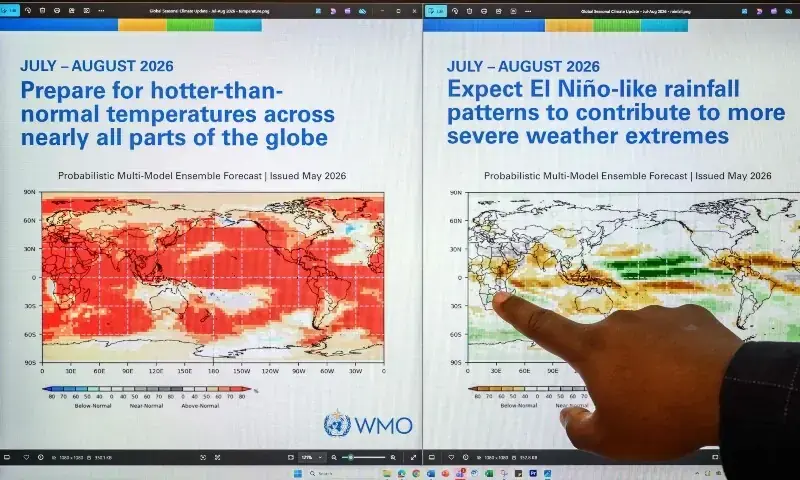
The US weather agency said last month that El Nino had formed and was expected to strengthen to potentially historic levels. Last week, the World Meteorological Organization said the event would rapidly intensify into a strong phase between July and September.
UN food aid agencies also appealed last month for funding to put preventive measures in place ahead of the expected impacts. In India, agricultural authorities said they would draw up contingency plans to support farmers facing the possibility of reduced rainfall linked to El Nino.
Regional risks
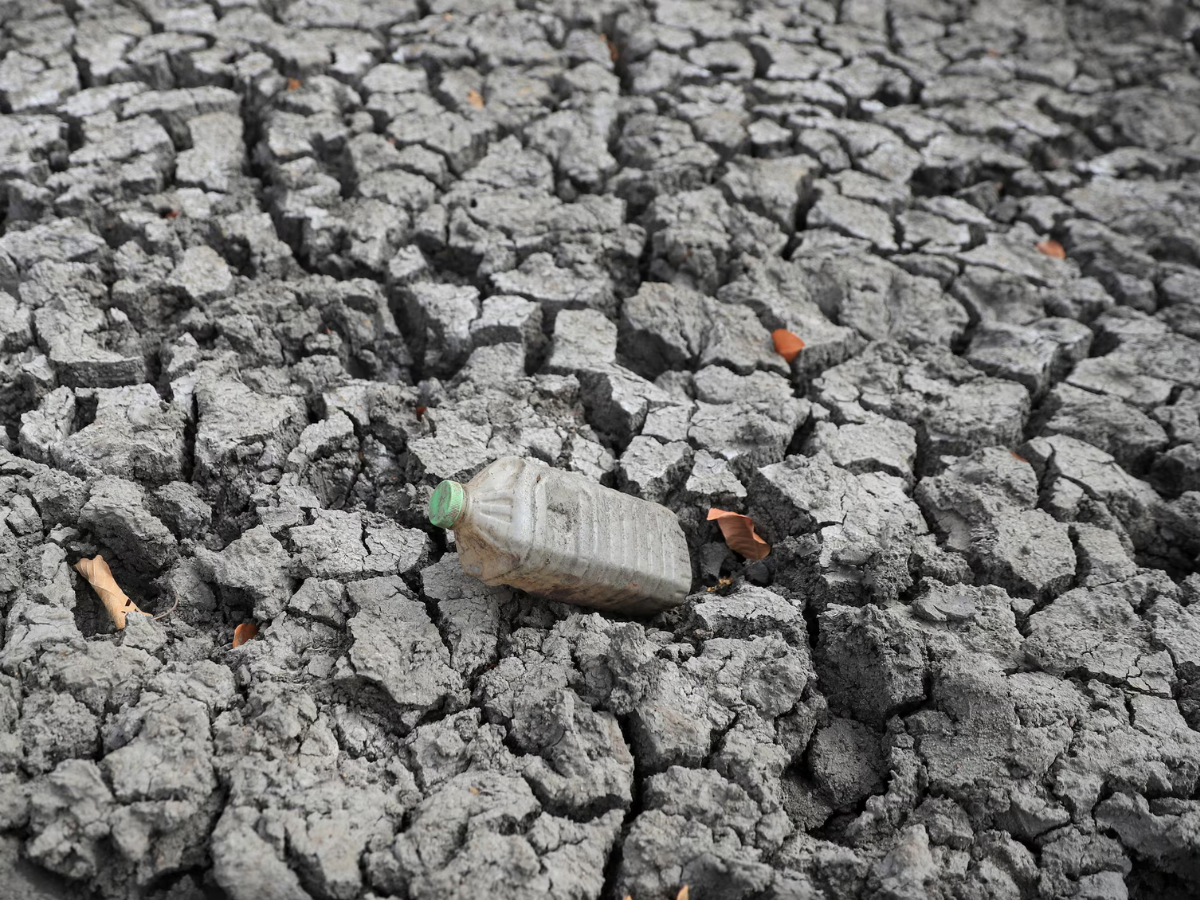
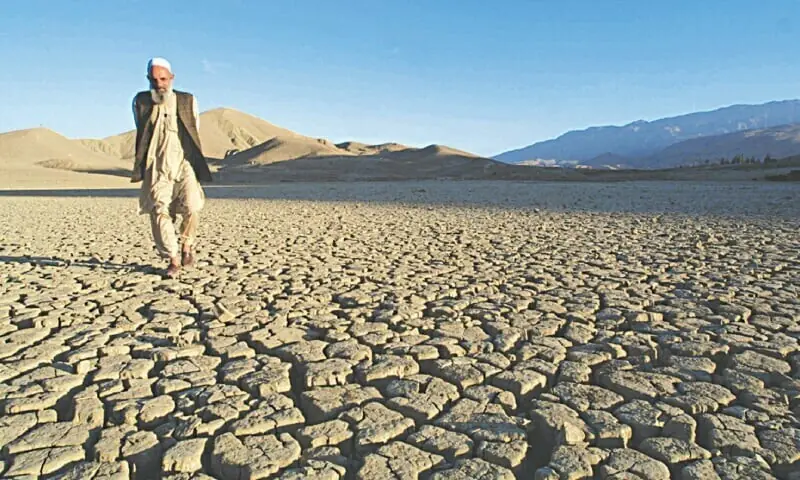
Large parts of Asia tend to face drier-than-average weather and drought during El Nino years. The pattern can weaken the South Asian monsoon, reducing crucial rainfall in India and elsewhere in the subcontinent that supports hundreds of millions of people.
In Australia, El Nino increases the risk of drought, heatwaves and wildfires as above-normal warmth takes hold. In Africa, parts of the Horn often receive more rain during such episodes, while broad areas of southern, western, central and eastern Africa usually experience below-normal rainfall.
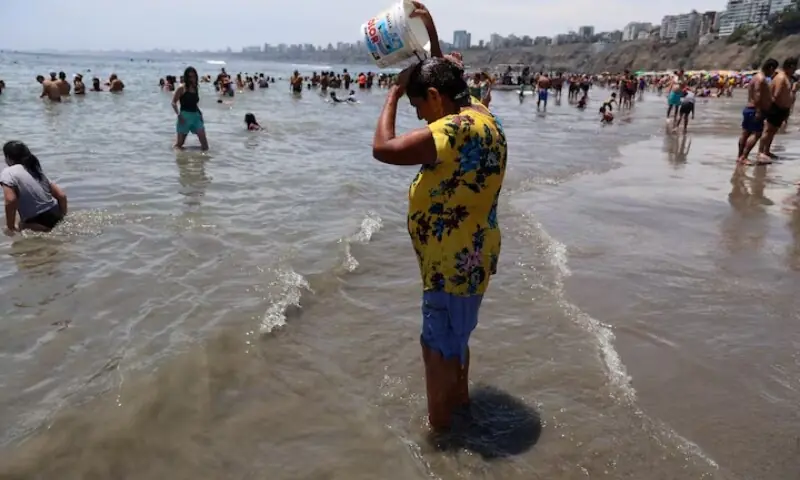
On the western side of South America, coastal Peru and Ecuador often receive heavier-than-average rain during strong El Nino events, raising the danger of flooding and landslides. Northern Brazil, by contrast, is commonly hit by drier conditions, which increase wildfire risks in the Amazon.
Comments
No comments yet. Be the first to join the discussion!