June 4, 2026
UN warns of extreme heat and weather risks as El Nino strengthens
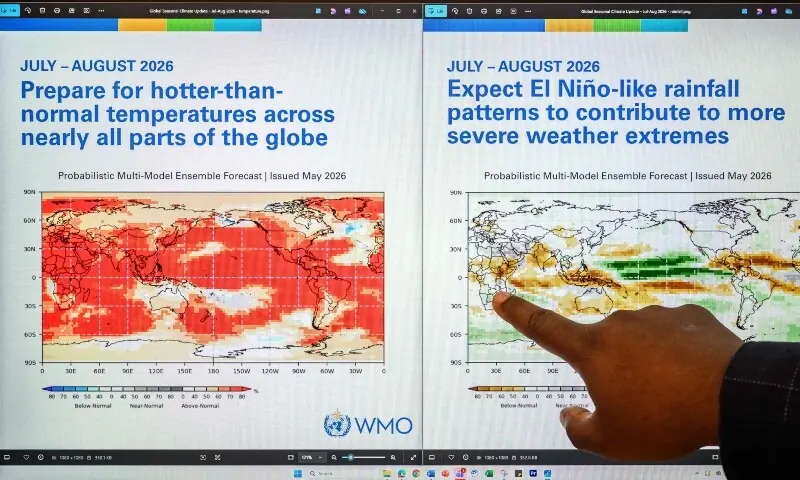
The UN weather agency says a moderate or possibly strong El Nino is developing and could raise temperatures and intensify drought, heavy rain and heatwaves. It also warned of mounting pressure on crops and food prices, especially across Asia.
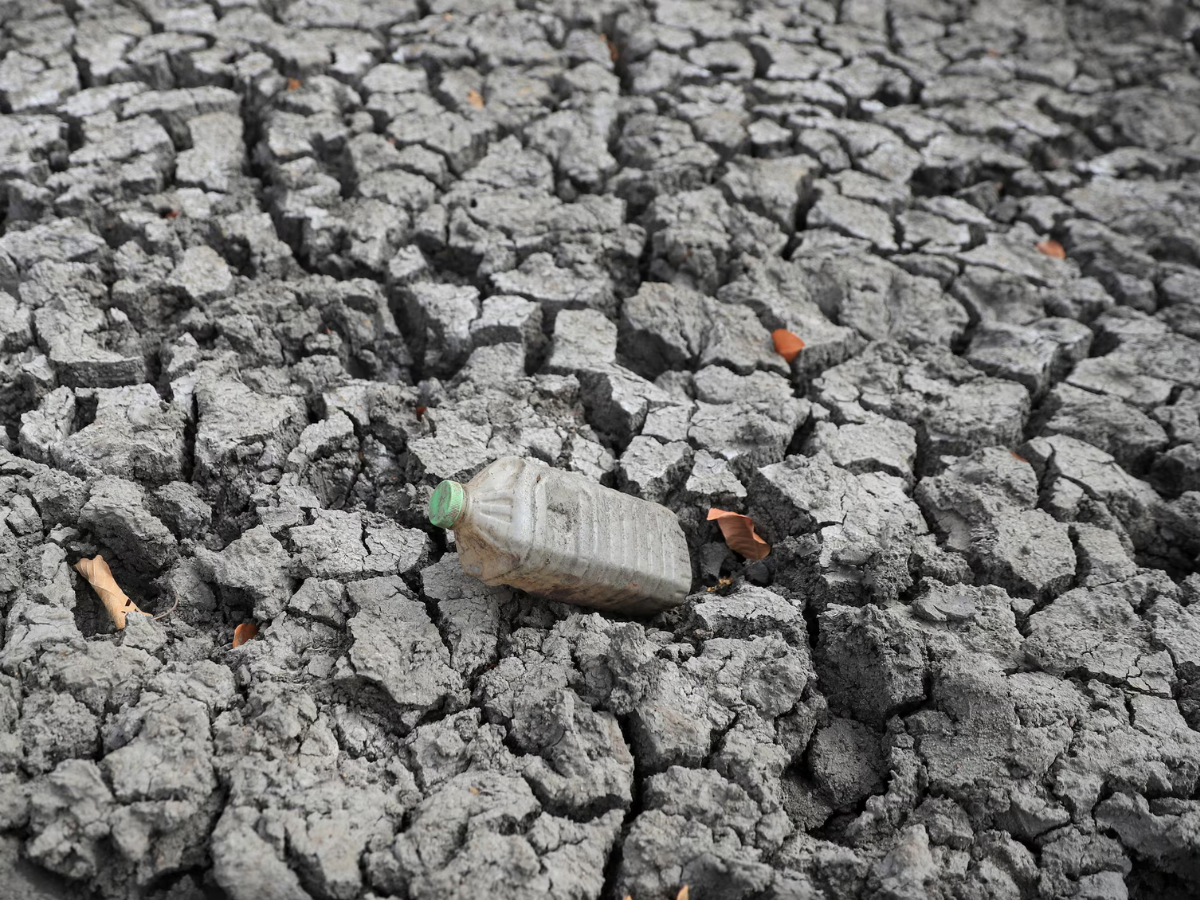
Geneva: The United Nations weather agency said on Tuesday that a moderate, and possibly strong, El Nino is taking shape and could push up global temperatures while increasing the likelihood of extreme weather in the months ahead.
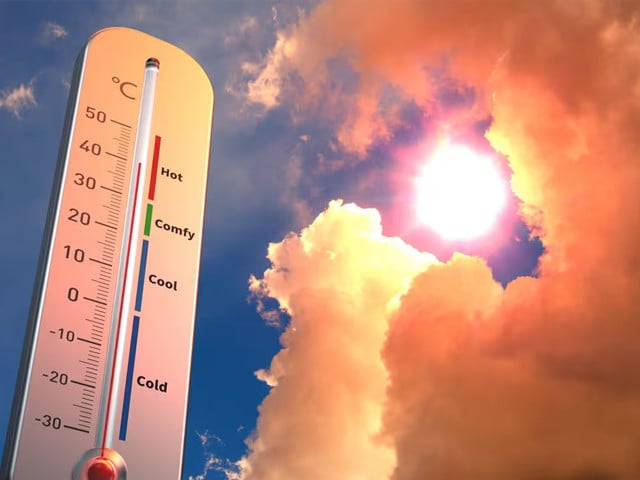
The World Meteorological Organisation said El Nino is a recurring warming of sea surface temperatures in the central and eastern Pacific Ocean that usually lasts between nine and 12 months. Warming ocean waters are driving the current development and forecast above-average temperatures in most parts of the world from June to August. The agency added that El Nino is likely to continue until November, although its ultimate strength remains uncertain because forecasting models differ.
WMO Secretary-General Celeste Saulo said governments and communities should prepare for the possible consequences.
"We need to prepare for a potentially strong El Nino event - which will exacerbate drought and heavy rainfall and increase the risk of heatwaves both on land and in the ocean,"
Saulo said the last El Nino, which forecasters described as strong, ran from 2023 to 2024 and helped make 2024 the hottest year on record. She also warned that extreme heat could widen the spread of vector-borne diseases such as those carried by mosquitoes and ticks, while also straining food and water availability.
She said vulnerable communities would face even greater pressure.
"Communities that were already struggling will be pushed farther beyond their limits,"
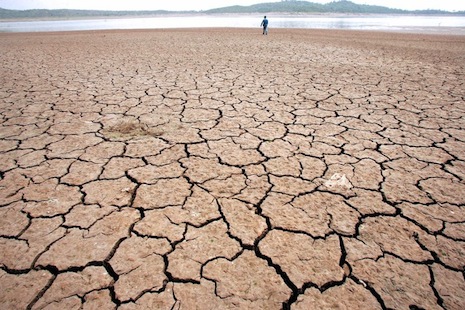
The WMO said El Nino can alter regional climate patterns in different ways, including bringing more rain to the southern parts of South America and the United States, parts of the Horn of Africa and Central Asia. It can also lead to drought in Australia, Central America, Indonesia and parts of South Asia, while increasing the conditions that support hurricane formation in the central and eastern Pacific.
The agency said it had detected unusually warm subsurface conditions across the tropical Pacific, with temperatures more than 6 degrees Celsius above average, creating a large reservoir of heat that is feeding surface warming. While some national weather agencies have projected the strongest El Nino in a decade, the WMO took a more cautious view and stopped short of making that declaration.
UN Secretary-General Antonio Guterres linked the development to the broader climate crisis and called for faster movement away from fossil fuels.
"The world must treat it as the urgent climate warning it is. El Nino conditions will pour fuel on the fire of a warming world,"
Pressure on crops and food prices
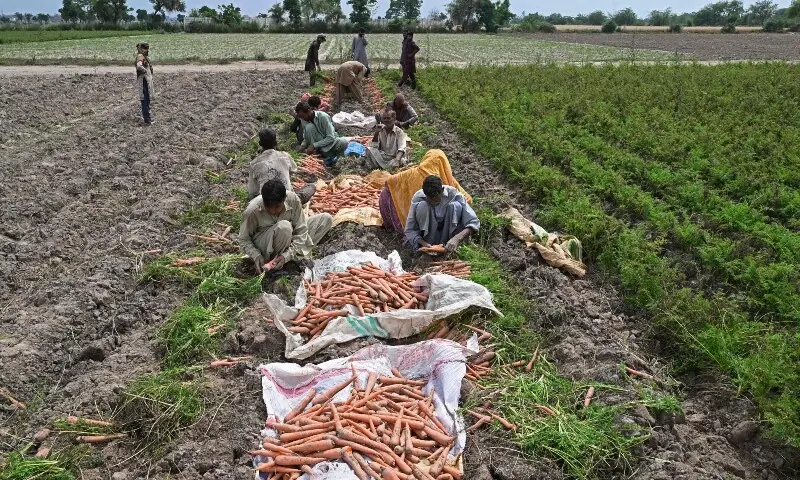
Hot and dry conditions are already affecting crop planting across Asia, raising concern about food supplies in the world’s most populous region. From India’s grain belt to Australia’s eastern wheat areas, and from rice farms in Thailand to palm oil plantations in Indonesia, farmers, analysts and traders said below-normal rainfall and high temperatures are damaging crops and forcing some growers to cut planting.
The dry spell linked to El Nino is also coming at a time when farmers are dealing with fertiliser and diesel shortages caused by the Iran war. Wheat prices have risen about 20% since the start of 2026, largely because of drought fears in key US growing regions, while rice prices at major Southeast Asian export hubs have climbed around 15% over the past month due to higher production costs and worries over tighter supply.
Chris Hyde, a US-based meteorologist at satellite data and imagery firm SkyFi, said the early effects are appearing first in Asia before spreading more widely.
"The El Nino impact globally starts with Southeast Asia, India, Australia, before it has wider implications downstream in North America and South America,"
Hyde said SkyFi’s high-resolution imagery was already showing early drought signs in parts of Asia.
In India, the meteorological department last week again lowered its forecast for the four-month monsoon season, which brings about 70% of the country’s annual rainfall. A New Delhi-based dealer at a global trade house said current conditions were not favourable for sowing summer crops and warned that a delayed monsoon onset, below-normal rainfall and extended dry periods could disrupt planting.
In Thailand, farmer Nerawat Oramah, 47, said uncertainty over water availability was affecting decisions on a second rice harvest.
"Everybody is worried (about drought), it's risky," he added.
"For my second harvest, I have to wait and see the situation. It's a risk for everyone (if there is not enough water), there will only be one harvest"
Thailand and the Philippines plant their main rice crops in June and July, while Vietnam and Indonesia are sowing second-season crops. Indonesia’s meteorological agency said the most populated island of Java and some parts of northern Sumatra, south Kalimantan and Sulawesi had gone more than 10 days without rain, with medium to low rainfall expected in June.
Despite ample rice supplies in India, which accounts for 40% of global exports, prices have continued to rise. A Singapore-based trader at an international trading company said the price movement suggested the market was already reacting to potential stress, adding that India could begin treating its stocks as a strategic asset and consider export restrictions if the early monsoon proves problematic.
KKP Research, a unit of Kiatnakin Phatra Bank in Thailand, said healthy reservoir levels could soften some of the damage from dryness, but warned in a note to Reuters that any fertiliser shortage could reduce rice production by up to 15-20% in the worst case.
The effects are also being watched in commodity markets. Hein Schumacher, chief executive of cocoa processor Barry Callebaut, said the company was closely monitoring conditions in Ecuador and West Africa, which together account for 60% of global cocoa output. He said El Nino could affect crops in those regions and potentially lift prices by a few thousand per ton. London cocoa futures were trading at £2,944 per metric ton, down from more than 9,000 in April 2024.
In Australia, recent rainfall has allowed late wheat sowing after earlier dry conditions, but concern remains over the coming months. The Bureau of Meteorology has forecast that many crop-growing areas in New South Wales and Queensland will receive between 20 and 40 millimetres less rain than usual over the next three months.
0 Comments
No comments yet. Be the first to join the discussion!