UN warns El Niño likely to develop between June and August
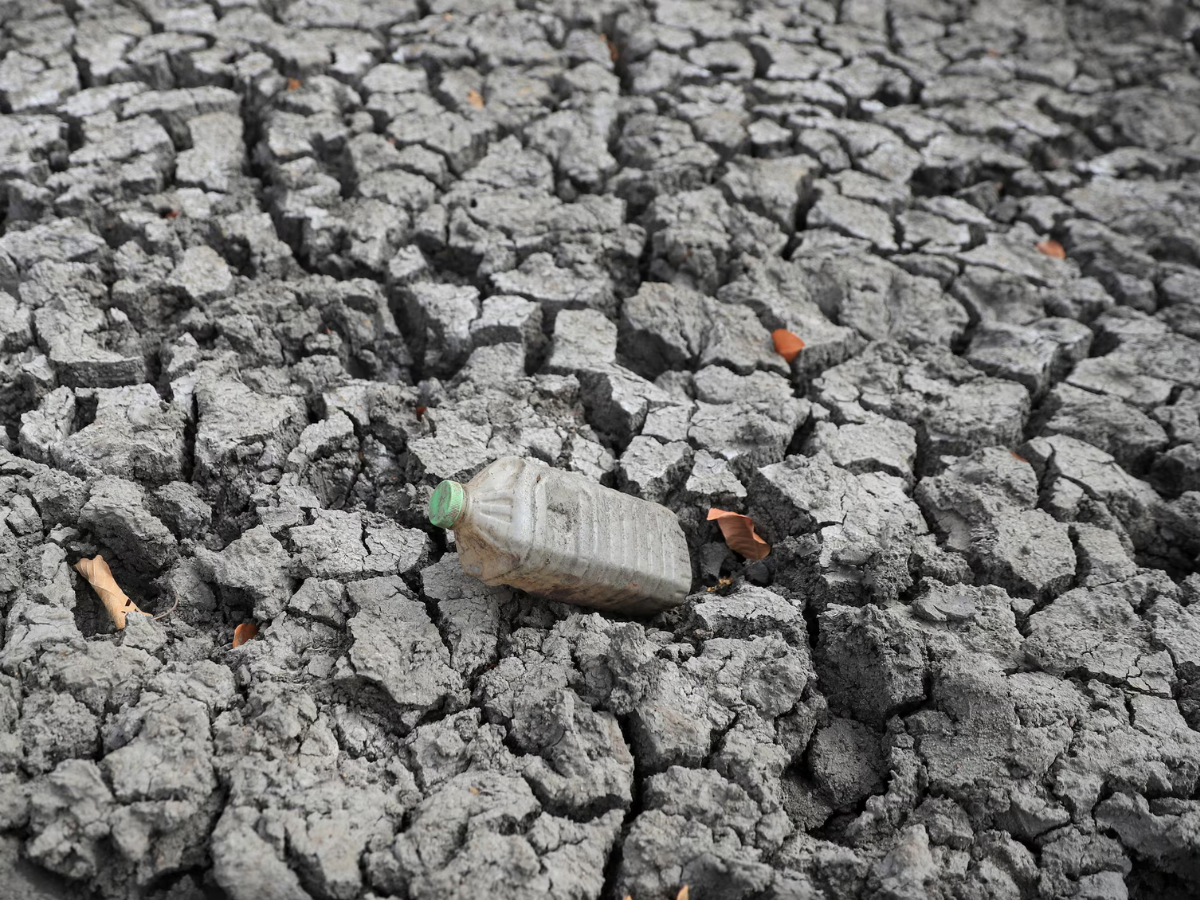
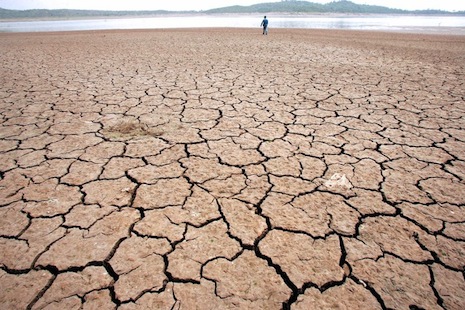
The UN weather agency says there is an 80pc chance of El Niño developing between June and August and a more than 90pc chance by November. It warned the climate pattern could intensify drought, heavy rain and heatwaves worldwide.

ISLAMABAD: The World Meteorological Organisation said on Tuesday there is an 80 per cent chance that El Niño conditions will emerge between June and August, raising the likelihood of extreme weather in different parts of the world.
The United Nations weather and climate agency said unusually warm waters in the tropical Pacific were driving the shift and were expected to affect global temperature and rainfall patterns. According to the WMO’s global forecasting network, the probability of El Niño during June-August has reached 80pc, while the likelihood of it developing by November is near or above 90pc.
El Niño is a naturally occurring climate pattern marked by warmer-than-normal surface temperatures in the central and eastern equatorial Pacific Ocean. The phenomenon alters wind, pressure and rainfall patterns worldwide. It generally occurs every two to seven years and usually lasts around nine to 12 months. The cycle alternates with La Niña, with neutral conditions in between.
In its quarterly El Niño/La Niña update, the WMO said most forecast models indicate the event would be at least moderate and could possibly become strong. WMO chief Celeste Saulo said countries needed to prepare for its effects, warning that it could worsen drought and heavy rainfall and raise the risk of heatwaves on land and in the ocean.
The agency said even a moderate El Niño increases the chances of some weather and climate extremes. It added that the most recent El Niño was a factor in making 2023 the second-hottest year on record and 2024 the hottest year recorded, at around 1.55°C above the 1850–1900 pre-industrial average.
Ocean and atmospheric indicators
The WMO said sea-surface temperatures in the central-eastern Equatorial Pacific from late April to mid-May were nearing El Niño thresholds. It added that sub-surface temperatures in the same region were more than 6°C above average. The Southern Oscillation Index, which reflects the atmospheric component of El Niño, was also in line with developing El Niño conditions.
The organisation said there was no evidence that climate change makes El Niño events more frequent or more intense. However, it said climate change can magnify their effects because warmer oceans and a warmer atmosphere provide more energy and moisture for extremes such as heatwaves and heavy rainfall.
UN Secretary-General Antonio Guterres described the development as a serious warning about the climate crisis.
“El Niño is arriving on our doorstep,” he said in a video message. “The world must treat it as the urgent climate warning it is. El Niño conditions will pour fuel on the fire of a warming world. Impacts will hit even harder, travel even farther, and cross borders with devastating speed. The only effective response is climate action equal to the crisis —ending the addiction to fossil fuels, accelerating the shift to renewables, protecting the most vulnerable, and delivering early warning systems for all.”
Regional outlook
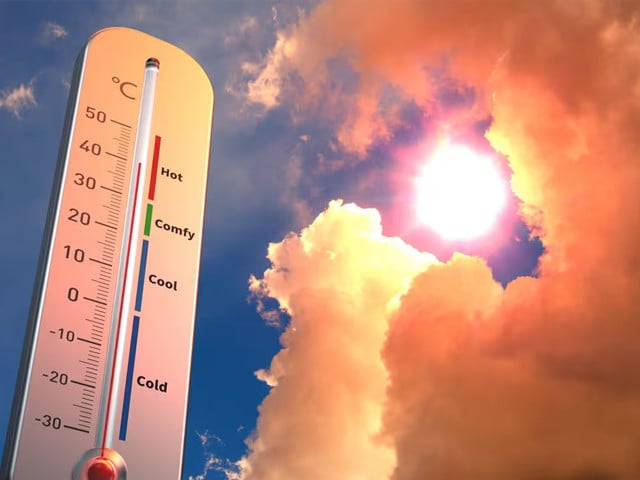
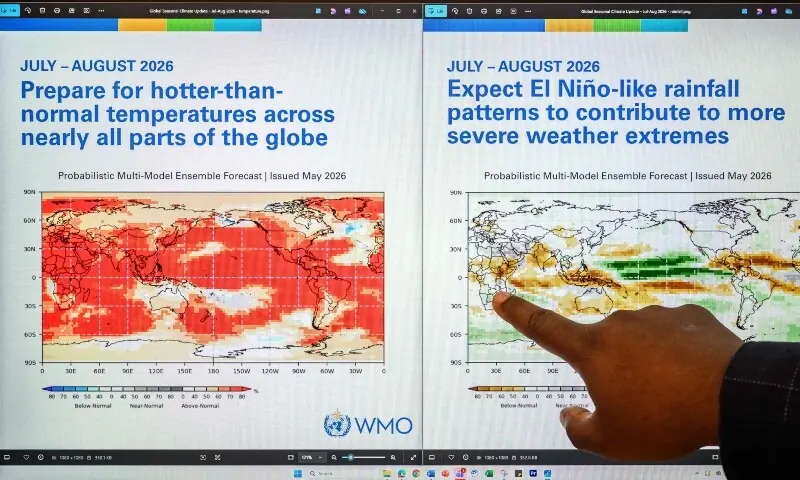
For June to August, the WMO said forecasts pointed to above-normal temperatures across nearly all parts of the world. It said this could increase the risk of overlapping hazards in some areas and speed up the arrival of drought where rainfall is reduced.
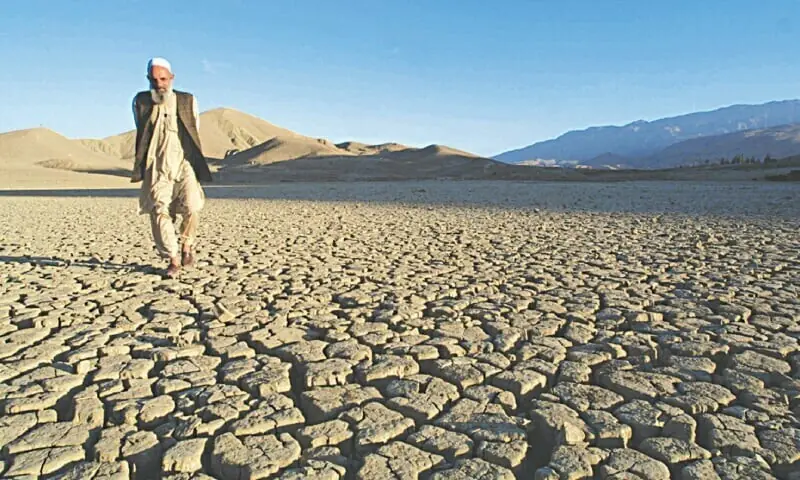
Regional climate centres are forecasting below-normal rainfall during the June-September rainy season in the northern Greater Horn of Africa, below-average monsoon rainfall in South Asia, and warmer and drier summer conditions in Central America.
The WMO also said that during the northern hemisphere summer, warmer ocean waters linked to El Niño can help fuel hurricanes in the central and eastern Pacific, while suppressing their development in the Atlantic. The agency said early warning was intended to support preparedness in sectors sensitive to climate shifts, including agriculture, water management, energy and health.
Comments
No comments yet. Be the first to join the discussion!