

Papering over the cracks!
The op-ed explains how superficial “papering over the cracks” healing leaves trauma unprocessed, worsening disconnect, depression, and conflict. It highlights Bandura’s research and the need for healthy outlets.

For quite some days, one English idiom has been making rounds in my mind, and that is “papering over the cracks.” The literal meaning of this idiom is that when one is resolving a problem, one is not dealing with its roots, but is trying to resolve the problem superficially. Resolving a problem at its surface and not diving into its roots definitely seems like a resolutory mechanism, but how it plays out in reality when a problem is resolved via papering-over-the-cracks approach is something worth reflection and worth understanding. Also, I see the pervasiveness of papering-over-the-cracks approach as a resolutory mechanism in so many domains around us that it might not be possible to bring all those domains in the scope of this op-ed but I will certainly allude to its all-around presence around us and why we need to pay heed to its presence because at the end of the day apparently it might seem a resolving approach but the cost this resolution entails is something we need to be aware about.
Last semester, I was teaching undergraduate students with a major in International Relations a course entitled Peace and Conflict Studies. The overall course focused on helping students understand the multi-layered nature of conflicts, including the factors behind their emergence at the individual, societal, state, and global levels, and theoretical ways to attain peace after addressing all these layers of conflict. To make sense of the papering-over-the-cracks approach and how it plays out in reality, let me share one theoretical insight from the course that talked about why people at the individual level become conflictual.
According to Canadian-American psychologist Albert Bandura, people usually become conflictual at the individual level when they experience a trauma, and they fail to cope with it effectively, or, in other words, they paper over the cracks. Bandura did not reach this conclusion randomly; rather, his conclusion that unhealed traumas give birth to a conflictual nature came from his study on prisoners in American jails. Majority of the prisoners Albert Bandura interacted with had one thing in common, and that was they all had traumatic experiences in their childhood.
Reflecting on the science of trauma, Bandura says that a person who is a victim of traumatic experience can get healed if he/she gets a healthy outlet through which he/she can express what’s going on inside them. That healthy outlet can be in the shape of sports, writing, reading, or any other creative outlet. That healthy outlet can be someone in your life in front of whom you are just you, no filters in between. I think one of the best outlets can be one’s connection with God. The point is, for any trauma to heal, it should be expressed and brought into the spotlight. Only in this way can a traumatized person get healed. A few years ago, I came across an article in the New York Times in which the columnist had explained how writing had become a cathartic experience for him. Everyone can have their own way of expression or give voice to their traumas.
However, when a trauma does not get a healthy outlet, and people start compromising over their healing by sitting silent over it or avoiding dealing with it directly, which is akin to the papering-over-the-cracks approach, things start backfiring. Usually, in such cases where trauma does not get an outlet, the trauma itself starts expressing itself, and its expression is more in the shape of disconnect from oneself and others, depression, hopelessness, jealousy, isolation, self-harm, and developing a criminal mindset in which one starts losing sense of how his/her actions are affecting others. What came in front of Albert Bandura in his study of prisoners in American jails can be attributed to the fact that the majority of prisoners had their traumas healed via a papering-over-the-cracks approach rather than getting them healed effectively and holistically through creative outlets. That’s the cost of the papering-over-the-cracks approach at the individual level.
Two years ago, we had a conference organized by the Department of Psychology at the University of Management and Technology, Lahore, on a theme related to curbing suicidal tendencies among youth. Back then, I posed a question to the panel by sharing the crux of Albert Bandura’s study on this line that if an unhealed trauma in a person can seriously affect a person’s mental health, what is their take on the society around us that, I think, is also getting traumatized at a collective level and is becoming more and more conflictual in nature? The answer given to heal trauma at both the micro and macro levels was to acknowledge its presence and heal it effectively rather than heal it through a papering-over-the-cracks approach.
I believe that there is a general tendency in the society around us, and that is we try to resolve problems through superficial measures, and, with this approach, the problems apparently seem like they have been resolved, but, in reality, those problems hunt us back. Name any domain collectively, and you will witness a papering-over-the-cracks approach, be it political, economic, or psychological domains related to mental health. In academic spaces, I personally witness a lot that seems like a papering-over-the-cracks approach, and this pervasive nature of the papering-over-the-cracks approach in all domains, and being okay with all these superficial resolutory measures generally on the part of all of us is something we should not be okay with.
This might sound judgmental but collectively all our resolutory mechanisms can be epitomized by papering-over-the-cracks approach and this is costing us. Instead of papering over the cracks, we need to cement the cracks in all domains, and this certainly will not be an easy experience because this whole interaction with the cracks will bring heat in its lap, but, for durable resolution to problems at micro and macro levels, this heat is worth facing.
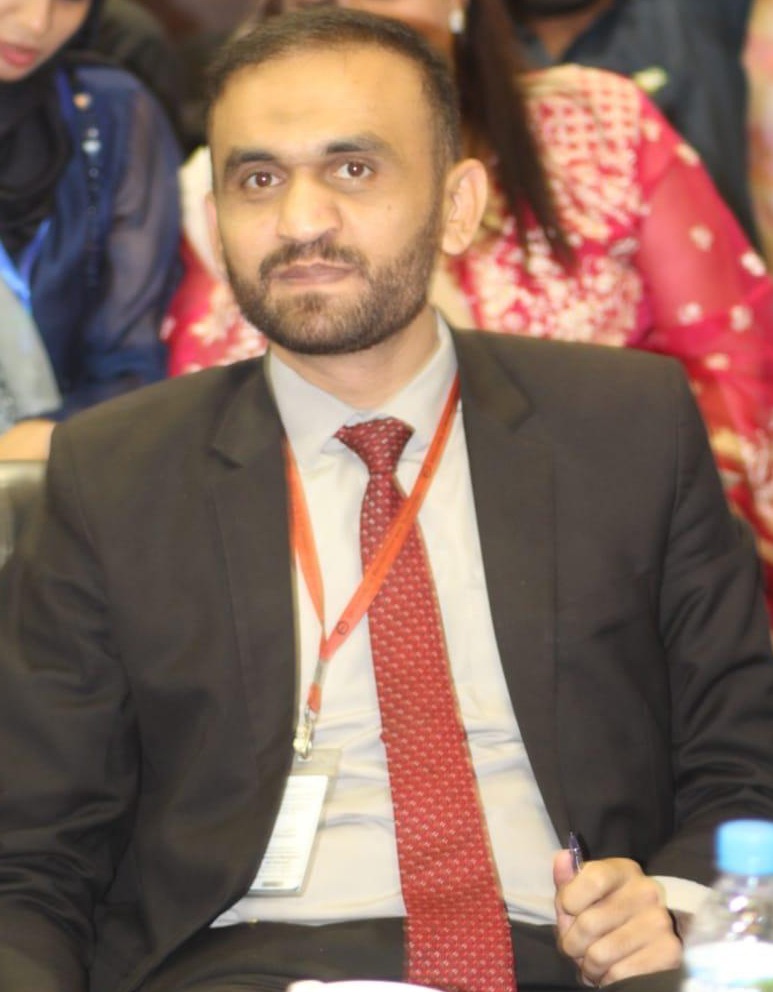
Inamullah Marwat is a lecturer at the Department of Political Science & International Relations at the University of Management & Technology (UMT), Lahore. He can be reached at [email protected]
View all articles →Comments
No comments yet. Be the first to join the discussion!

