Strong El Niño expected to affect five regions by mid-2026
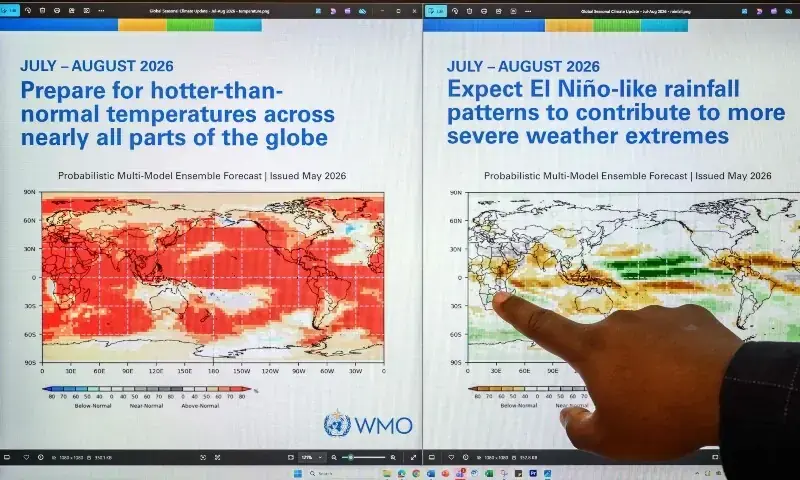
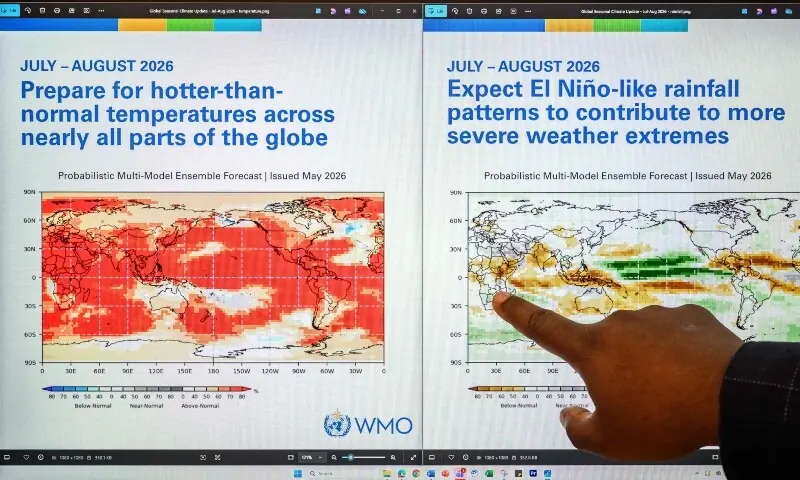
A strong El Niño is forecast to develop by mid-2026, with sea temperatures rising and models suggesting extreme warming. Regions from the U.S. to Southeast Asia and South America face major storm, drought, and rainfall shifts.

A strong El Niño is expected to develop in the tropical Pacific Ocean by mid-2026, with meteorologists warning that several regions could face major weather disruptions.
Sea surface temperatures have already risen around 0.5°C above normal, indicating the early development of El Niño conditions. Some forecast models suggest temperatures could climb above 2.5°C by autumn, making it one of the strongest events on record.
Forecasters expect the southern United States, stretching from California to Florida, to face increased winter storms. While this may ease drought in some areas, it could also raise the risk of flooding and severe weather.
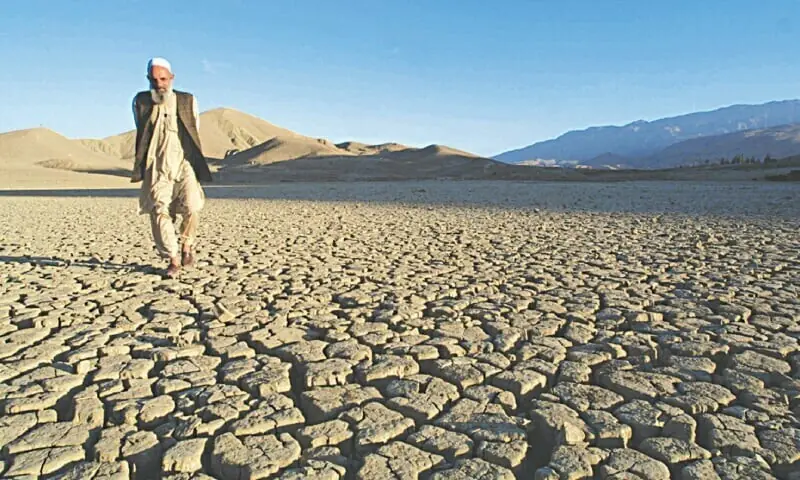
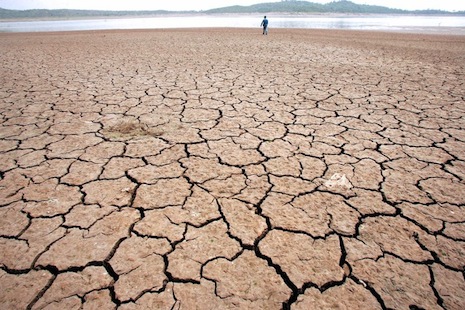
Southeast Asia, including Indonesia and the Philippines, may experience reduced monsoon rainfall as warmer waters shift eastward. This could increase drought risks and affect agriculture and water supplies.
Australia is also expected to face drier-than-normal conditions, particularly during winter, as reduced moisture allows high-pressure systems to dominate. This could hurt farming, water reserves and increase the risk of winter frost.
In the Atlantic Basin, El Niño may reduce hurricane formation by increasing wind shear and limiting storm development. However, forecasters warn that even a single major storm could still cause serious damage.
Parts of southeastern South America, including Argentina, Paraguay, Uruguay and southern Brazil, may receive heavier summer rainfall. While this could support agriculture, it may also increase flooding and severe weather risks.
The last major El Niño occurred in 2015-16, when three-month average temperatures reached 2.4°C above normal and contributed to record global heat. Scientists warn that 2027 could become the warmest year on record if the pattern intensifies.
Comments
No comments yet. Be the first to join the discussion!