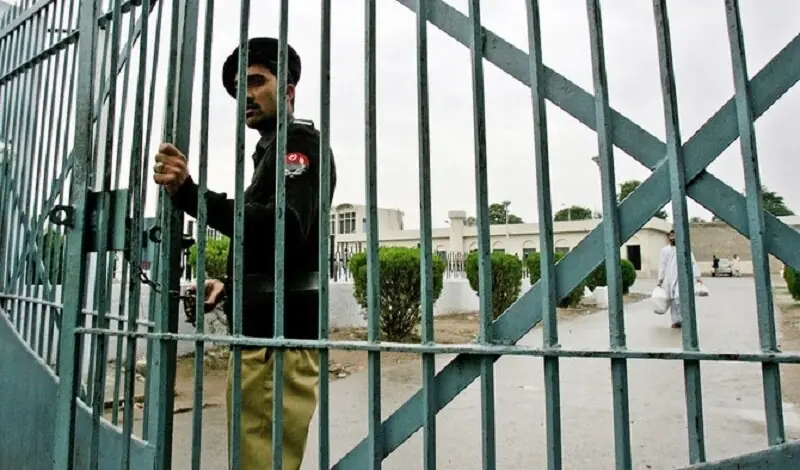
Inmates exploit body concealment to smuggle drugs into Punjab jails
Inmates in Punjab are exploiting body concealment to smuggle drugs into jails. Authorities are enhancing screening and detection methods to combat this issue.


LAHORE: The Punjab Prisons Department has informed the Lahore High Court that inmates across the province have been smuggling narcotics into prisons by concealing them in sensitive parts of the body, forcing authorities to strengthen screening procedures and fast-track the installation of advanced detection equipment.
The disclosure was made in a report submitted to the court following a directive by the Lahore High Court for a province-wide screening campaign aimed at identifying prisoners suffering from drug addiction.
According to prison officials, a formal screening mechanism has now been introduced at the time of admission for all inmates. The department said the process is being carried out in line with internationally recognised prison management standards, including the Nelson Mandela Rules.
Data shared in the report shows that between January 1 and October 31, 2025, screenings identified 3,873 inmates as drug users. During this period, a total of 10,166 drug tests were conducted, of which 6,293 returned negative results, while the remainder tested positive.
Authorities said the most commonly detected substances included crystal meth, hashish and amphetamines. The department added that rapid testing kits are currently being used to detect a broad range of drugs, including methamphetamine, THC, amphetamines, benzodiazepines, methadone and MDMA.
To address the issue, separate blocks have been established in all prisons for inmates struggling with addiction. Officials also said body scanners will be installed at jails to prevent drugs from being smuggled inside through physical concealment.
The report also highlighted wider pressure on Punjab’s prison system. Under-trial prisoners reportedly account for 72 percent of the total inmate population, adding strain to already overcrowded facilities. The total prison population was placed at 70,739, with an average of 7,500 inmates being produced before courts each day.
The department recommended that rehabilitation and reintegration of drug-dependent prisoners be managed through a structured framework involving the Health Department and the Social Welfare Department, stressing that treatment should be prioritised alongside enforcement measures.
Additional recommendations included stricter monitoring during court escorts, limiting unnecessary contact during prisoner movement, specialised training for prison staff in substance abuse support and mental health care, increased funding for testing kits, legal recognition of drug-addicted inmates as a separate category, and the establishment of dedicated detoxification centres.
Comments
No comments yet. Be the first to join the discussion!