












ISLAMABAD: Around 1,100 Pakistani students have returned home from Afghanistan since the closure of the Pakistan–Afghanistan border in October last year, the National Assembly was informed on Tuesday, as the government said nearly 947 students remain in Afghan cities but are not stranded at crossing points.
Federal Minister for Parliamentary Affairs Dr Tariq Fazal Chaudhary shared the figures while responding to a calling attention notice moved by MNA Anjum Aqeel Khan regarding Pakistani students affected by the prolonged border shutdown.
The minister told the House that only 26 students re-entered Pakistan through land routes, while the vast majority were repatriated by air after special facilitation arrangements. He emphasised that those still in Afghanistan were continuing their education and were in contact with the Pakistani Embassy in Kabul.
He said most of the students were enrolled in medical institutions in Kabul and Jalalabad and were residing in hostels or private accommodation near their campuses. “They are not stuck at border points,” he clarified, adding that the embassy was regularly engaging with them to ensure their safety and to address documentation and visa related issues.
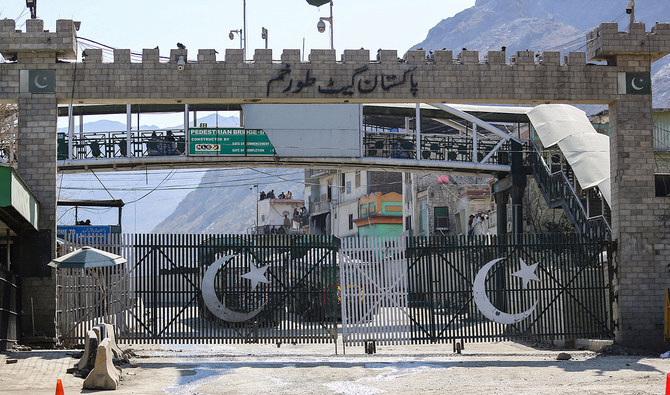
Dr Tariq said the border was closed after Islamabad failed to receive credible assurances from Afghan authorities that cross border firing and militant infiltration from Afghan soil would be halted. He noted that prior to October 2025, students frequently used land crossings to travel between the two countries for academic purposes.
The minister told lawmakers that Pakistan had held multiple rounds of talks with the Afghan Taliban administration, including discussions in Doha and later in Türkiye, where Afghan representatives acknowledged that attacks were being launched from their territory. However, he said, no firm guarantees were offered to dismantle militant safe havens or stop cross border terrorism.
“Pakistan could not allow a situation where cross border attacks continue while trade and movement remain fully open,” he said, describing the border closure as a security driven decision rather than an administrative one.
He acknowledged that the shutdown created difficulties for students who relied on the land route for travel. Temporary facilitation measures earlier allowed about 1,100 students to return, he added, while the embassy continued to work with Afghan institutions and local authorities to assist those still studying there.
The issue first came to light weeks after the October 12 closure, when students who had returned to Pakistan during vacations or for visa renewals were unable to go back to Afghanistan for classes and examinations scheduled in early November. According to local accounts, Afghan institutions were initially unwilling to grant exam relaxations, creating anxiety among students.
On January 13, a group of 28 Pakistani students who had remained in Afghanistan since the border closure managed to return through the Torkham crossing after special coordination between authorities on both sides.
Most of those students belonged to various districts of Khyber Pakhtunkhwa. At least 15 were studying in the medical faculty of Spinghar University in Kabul, while others were enrolled in medical colleges in Jalalabad, Khost and Paktia.
Local reports indicated that around 20 of the affected students had secured admissions in Afghanistan in 2023, five in 2022 and several others in 2024. All of them were financing their education privately, as Afghan medical colleges have remained an affordable option for many Pakistani students unable to secure seats at home.
Officials said that before the border closure, hundreds of students routinely crossed into Afghanistan by road due to lower travel costs and fewer visa complications. With the route shut, air travel became the only option, significantly increasing expenses and logistical hurdles.
Dr Tariq told the House that the embassy in Kabul was maintaining updated records of Pakistani students, facilitating communication with Afghan universities and assisting in visa renewals where needed. He said efforts were underway to find practical solutions that would allow students to complete their studies without jeopardising national security considerations.
Lawmakers from Khyber Pakhtunkhwa raised concerns about the academic future of students caught between the security situation and administrative barriers. The minister responded that the government was aware of the sensitivities and was monitoring the situation closely.
The development underscores how the broader security situation along the Pakistan–Afghanistan border continues to affect not only trade and tribal movement but also educational links that had developed over recent years, particularly in the field of medical education.



Çok işime yaradı bende bunu nasıl yapacağımı araştırıyorum. Paylaşım için teşekkür ederim.
Faydalı bilgilerinizi bizlerle paylaştığınız için teşekkür ederim.