











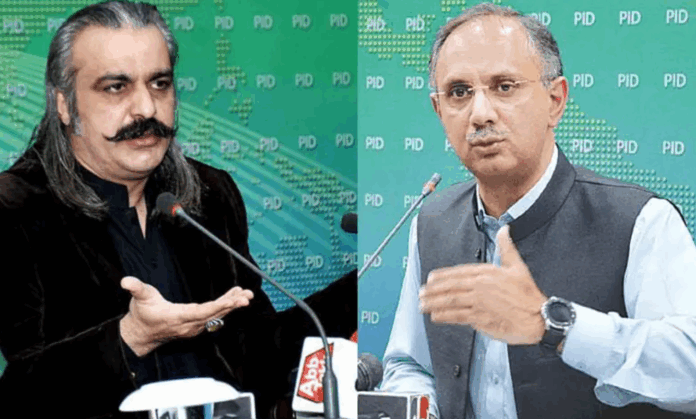
ISLAMABAD: A judicial magistrate on Monday declared Pakistan Tehreek-e-Insaf leaders Ali Amin Gandapur and Omar Ayub absconders in two cases linked to the party’s 2022 ‘Haqeeqi Azadi March’, issuing perpetual arrest warrants over their continued non-appearance before the court.
Judicial Magistrate Mubashir Hassan Chishti heard the cases, registered at Bara Kahu police station, and noted that both the former Khyber Pakhtunkhwa chief minister and the former opposition leader in the National Assembly had repeatedly failed to attend hearings despite being summoned multiple times.
The court observed that neither Gandapur nor Ayub had provided any satisfactory explanation for their absence. The judge remarked that the accused had been given several opportunities to appear but had continued to evade the proceedings.
In view of their persistent non-compliance, the magistrate declared both leaders absconders and ordered the issuance of permanent arrest warrants to secure their presence before the court. At an earlier stage of the proceedings, the court had already formalised their status as proclaimed offenders.
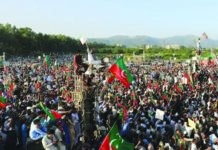
The two cases arise from events linked to the PTI’s Haqeeqi Azadi March in 2022, one of the party’s largest protest movements launched after the ouster of its founder Imran Khan from the office of prime minister through a no-confidence vote in April that year. The march, which began in different parts of the country and moved towards Islamabad in phases, drew thousands of supporters and triggered repeated confrontations with law enforcement agencies along its route.
Police had registered multiple cases in Islamabad and other cities alleging violations of public order, obstruction of roads, interference with official duties, and incitement of crowds during the protests.
The cases before the Bara Kahu police station relate to incidents where, according to the prosecution, party leaders and workers allegedly encouraged participants to defy restrictions imposed by the administration and obstruct officials performing their duties.
During the height of the protests in 2022, authorities had imposed Section 144 in several areas of the federal capital to restrict public gatherings, citing security concerns. Containers were placed on key roads, and law enforcement personnel were deployed in large numbers to prevent marchers from entering sensitive zones.
PTI supporters, however, attempted to push through barricades at various points, leading to clashes, arrests and the registration of criminal cases against party leaders and workers.
According to the prosecution, Gandapur and Ayub were among those named for allegedly playing a role in mobilising and directing protesters during these confrontations. The defence, however, has consistently maintained that the cases are politically motivated and part of a wider pattern of legal action taken against PTI leaders following the change of government in 2022.
Meanwhile, the court acquitted several other accused in the same cases, including senior PTI figures Shah Mahmood Qureshi and Zartaj Gul, citing insufficient evidence to establish their involvement in the alleged offences.
The Haqeeqi Azadi March itself became a defining episode in Pakistan’s recent political history. What began as a political mobilisation campaign evolved into a prolonged standoff between the PTI and the state machinery, with repeated attempts by the party to stage sit-ins and rallies in Islamabad. The situation intensified after an assassination attempt on Imran Khan during one of the march’s legs in Wazirabad in November 2022, further escalating tensions and drawing national and international attention.
Following these events, dozens of cases were registered against PTI leaders across the country. Court proceedings in many of these cases have continued for months, with repeated summons issued to various party figures. In several instances, courts have expressed frustration over the non-appearance of accused individuals and delays in the trial process.
In Monday’s hearing, the magistrate noted that despite multiple opportunities and legal notices, Gandapur and Ayub had not presented themselves before the court or offered a plausible justification for their absence. The issuance of perpetual arrest warrants means law enforcement agencies are now authorised to arrest and produce them before the court whenever they are located.
The development adds to the legal challenges facing senior PTI leaders as cases related to protests, public order and political demonstrations continue to move through the courts more than three years after the events that led to their registration.





آموزش افزایش بازدید سایت: چکیده تجربیات نی نی سایت،
جمله کلفت تیکه دار برای مواقع ضروری!
آموزش بلاگر شدن در یوتیوب: چکیده تجربیات نی نی سایت، نکته خاص، سوالات متداول
ترفندهای پنهان کوپایلوت که کسی نمیداند
کسب درآمد از هوش مصنوعی: راهنمای کامل روش پرسود و سوالات متداول و جدول کاربردی
مسیر موفقیت در یوتیوب بلاگر شدن با الهام از تجربیات
بررسی راه عالی برای کسب درآمد از طریق اپلیکیشن
قرص انگل سگ
درست سگ نگهبان و نکات مهم تربیتی پایگاه مهارتهای کاربردی
چگونه در اینستاگرام معروف شویم؟ ۱۰ راهکار سامانه یادگیری مهارتی
ایده تولید محتوای جذاب برای سال یادگیری تمرینی مفید
آیا واقعا از اینستاگرام میشود پول درآورد؟ ۷ یادگیری مهارت عملی
واقعاً از اینستاگرام میشه پولدار شد؟ ۱۲ سوال متداول با پاسخ مرکز آموزش مدرسهای
چگونه در یوتیوب معروف شویم؟ ، ۶ وبسایت مهارت کاربردی