














- Maritime Affairs Minister calls coastline a strategic national asset, linking preservation to education, tourism, and sustainable economic growth
- Inter-ministerial framework proposed to conserve ports, lighthouses, and shipwrecks
- Joint working group to coordinate policy, research, and public awareness campaigns
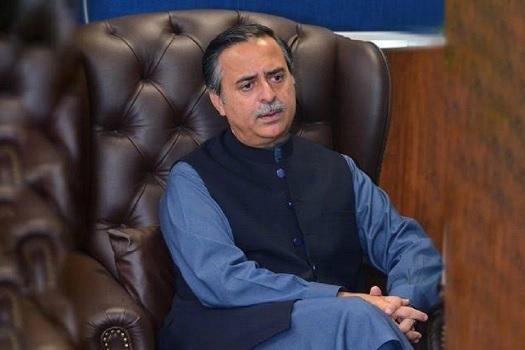
ISLAMABAD: Federal Minister for Maritime Affairs Muhammad Junaid Anwar Chaudhry emphasized that Pakistan’s maritime heritage is a national asset critical to cultural identity, education, and sustainable economic growth, underscoring the need to expand the blue economy while addressing climate-related risks.
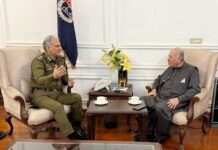
The minister reiterated this commitment during a meeting with Federal Minister for National Heritage and Culture Aurangzeb Khan Khichi, where the two reviewed existing initiatives and discussed a framework for sustained inter-ministerial collaboration to promote Pakistan’s maritime legacy.
“Talks focused on aligning policy, research, and conservation efforts to ensure maritime heritage is documented, protected from degradation, and integrated into broader national development strategies,” Junaid Anwar Chaudhry said.
He highlighted that Pakistan’s coastline stretches over 1,000 kilometres along the Arabian Sea and has, for centuries, linked South Asia with the wider Indian Ocean world. Historic ports, navigational routes, shipwrecks, lighthouses, and fishing settlements testify to a rich maritime tradition that remains under-documented and increasingly vulnerable.
“Our maritime heritage is not only a record of our past but a strategic asset for the future,” Junaid Chaudhry said, noting that preservation could support education, tourism, and the blue economy while strengthening national identity. “Development and preservation are not mutually exclusive. With careful planning and cooperation, we can protect our heritage while unlocking the economic potential of our seas.”
He observed that Pakistan’s ports and sea routes have historically been central to regional trade and cultural exchange, leaving behind both tangible assets—historic ports and underwater archaeological sites—and intangible heritage, such as traditional fishing practices and coastal community knowledge. Protecting these assets, he stressed, requires a “whole-of-government approach.”
The minister warned that coastal erosion, climate change, unregulated development, and illegal salvaging pose growing threats to heritage sites, particularly underwater cultural assets. “No single organisation can address these challenges alone. Inter-ministerial coordination is essential to ensure that conservation goes hand in hand with sustainable economic activity,” he added.
National Heritage and Culture Minister Aurangzeb Khichi echoed the call for joint action, highlighting the role of cultural institutions, museums, and research bodies in documenting and interpreting maritime history. He said his ministry would work closely with maritime authorities to map heritage sites along the coast, support archaeological surveys, and promote public awareness through exhibitions, curricula, and community engagement.
“Maritime heritage is an integral part of Pakistan’s cultural mosaic,” Minister Khichi said. “From ancient trade links to living traditions of coastal communities, this heritage must be preserved for future generations. Conservation efforts must be grounded in research, respect local communities, and meet international standards.”
The two ministers also discussed establishing a joint working group to coordinate policies, share data, and develop project proposals. Potential areas of cooperation include the protection of historic ports and lighthouses, documentation of traditional boat-building techniques, preservation of underwater archaeological sites, and promotion of responsible maritime tourism.
The discussions further highlighted the need to strengthen legal and regulatory frameworks to prevent damage to heritage sites, including stricter controls on coastal development and enhanced monitoring of underwater assets. Capacity-building for local authorities, as well as collaboration with universities and international partners, was identified as critical to sustaining conservation efforts.
“Our objective is to attract people—especially youth, scholars, and tourists—toward maritime affairs,” Junaid Chaudhry said. “By highlighting our maritime heritage, we can inspire careers in marine sciences, shipping, fisheries, and port management, while strengthening public understanding of the blue economy.”
The meeting concluded with a shared commitment to translate policy discussions into actionable plans, signalling a more integrated approach to safeguarding Pakistan’s maritime heritage as a shared legacy for future generations.





فیلم برتر رازآلود عاشقانه خارجی که نباید از دست بدهید!
های ریز و درشت همسرداری ای از ! آموزش دقیق
لباس ایرانی گشتی در
برای کسب درآمد از طریق پادکستگذاری انجام این کارها ممنوع! جادوی محتوا فوت و فن طلایی سئوکارها برای بازاریابی محتوای پرقدرت وبسایت آموزش عملیاتی
معیارهای مهم برای داشتن ارتباطی سالم و پُر دوام یادگیری روشن پول درآوردن از تبلیغات در وبلاگهای شخصی
چرا بسیاری از مدرسان آنلاین مدیریت زمان، بعد از ارائه ۱۹ شکست میخورند؟ هوش مصنوعی و برنامه نویسی از نگاه ! وبسایت آموزش فعال و کاربردی
علائم و روشهای درمان مشکلات و بیماریهای گوارشی گربهها افزایش فالوور اینستاگرام
راز جذب مخاطب هدف در سال افزایش بازدید سایت ، و راهنمای عملی
استراتژیهای بازاریابی محتوا در سال فوت و فنها، ایدهها و تجربیات سئوکاران جذب مخاطب هدف و و جدول جامع پلتفرم یادگیری علمی کاربردی
چگونه در بازاریابی محتوا ماهر شویم؟ مرحلهای با تکمیلی و مهارت پایه ایده جذاب برای عکس تبریک نامزدی رفیق صمیمی!
رمز و راز موفقیت در اینستاگرام اصل ، و چالشها مرکز یادگیری فعال و پویا چرا گاهی اوقات در روابط عاشقانه، نیاز به توجه و محبت بیش از حد داریم؟