



- PTI to replace 40-member political committee with smaller, streamlined body
- Shahid Khattak appointed parliamentary leader in National Assembly; ILF to be reorganised
- Leaders criticise government for reluctance to engage with Afghanistan, urge diplomacy and trade
- PTI calls for rule of law, institutional balance, and fair NFC allocation for KP and former FATA
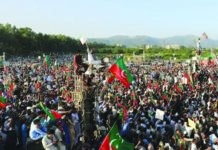
ISLAMABAD: Pakistan Tehreek-i-Insaf (PTI) founder Imran Khan on Wednesday dissolved the party’s political committee, signaling a major internal restructuring aimed at creating a smaller, more focused decision-making body. The move comes as PTI leaders simultaneously criticised the federal government for its reluctance to engage with Afghanistan and called for institutional balance to address pressing national issues.
PTI Central Information Secretary Sheikh Waqas Akram confirmed to the development, elaborating that the existing political committee, which had around 40 members, has been dissolved and will be replaced by a new committee comprising provincial heads, opposition leaders, and select senior members.
The party founder also directed the appointment of Shahid Khattak as the parliamentary leader in the National Assembly, though insiders suggest the directive may not be implemented due to procedural constraints regarding independent legislators. Additionally, Imran Khan authorized KP Chief Minister Sohail Afridi to reorganise the Insaf Lawyers Forum (ILF).
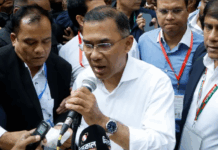
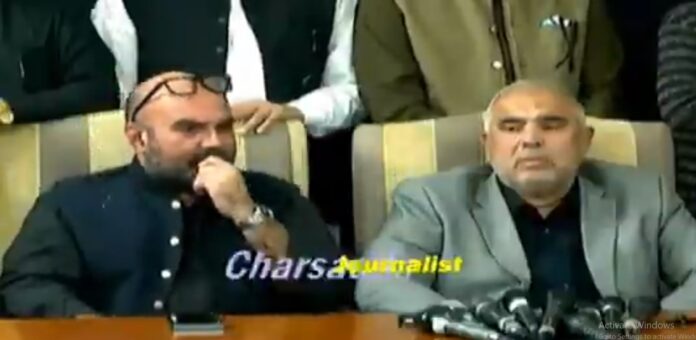
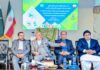
On the same day, PTI leaders, including former National Assembly speaker Asad Qaiser, Taimur Khan Jhagra, Haleem Adil Sheikh, and former Sindh governor Muhammad Zubair, held a press conference in Islamabad to criticize the government’s stance on Afghanistan. They highlighted the economic impact of the border closure, stating that trade disruptions were halting jobs and commercial activities, while questioning why Pakistan could negotiate a ceasefire with India but not with Afghanistan.
“We are not against any institution. Pakistan Army is our army, and our children serve in it, but we want it to remain within its constitutional domain,” Qaiser said, emphasising the need for rule of law and constitutional governance. He also pointed to allegations of smuggling in KP and the resultant blockade of business opportunities, which, he said, contributed to unemployment and industrial closures.
NFC Award
سب سے پہلی بات تو یہ کہ اسلامآباد میں کسی کو وفاق اور وفاقی حکومت کے درمیان فرق بھی نہیں پتہ – وفاق میں چاروں صوبے بھی ہیں-
دوسری بات جس حکومت کے پاس 17 سیٹ ہیں وہ ملک کے اتنے بارے فیصلہ کیسے کر سکتی ہے؟ pic.twitter.com/CQALQCUugp
— Taimur Saleem Khan Jhagra (@Jhagra) December 3, 2025
Zubair highlighted the worsening economic situation, noting that exports had declined over the past three years, the trade deficit had risen by 37 percent, and the unemployment rate had reached a 21-year high. He criticised the government’s handling of economic policy, saying that privileged classes were being unfairly advantaged, and warned that high taxes discouraged investment.
2021 میں خیبرپختونخوا حکومت کو نیٹ ہائیڈل پرافٹ کا مسئلہ تھا شوکت ترین نئے وزیر خزانہ آئے تھے 30 جون 2021 کو عمران خان نے ہمیں ایک دن میں ریکارڈ 25 ارب لے کر دیے تھے ۔
تیمور سلیم جھگڑا @Jhagra https://t.co/sNBf7EWh0k pic.twitter.com/kasnZtfrAp
— Ahmad Hassan Bobak (@ahmad__bobak) December 3, 2025
Jhagra added that misinformation about Imran Khan being a “Taliban sympathiser” was being used to justify restricting his access to party members and family. He also criticised the government’s low governance ranking, with Pakistan at 109 out of 120 countries, trailing South Asian neighbours such as Bangladesh (95), Sri Lanka (99), and India (72).
The PTI leaders concluded by stressing the upcoming National Finance Commission (NFC) meeting, pledging to fight for KP’s constitutional share, particularly for the erstwhile FATA regions, which they claim are being unfairly excluded.

Takipteyim kaliteli ve güzel bir içerik olmuş dostum.
En şık jartiyer takımları, fantezi iç giyim ve özel iç giyim setleri
En şık jartiyer takımları, fantezi iç giyim ve özel iç giyim setleri
I very delighted to find this internet site on bing, just what I was searching for as well saved to fav
Very insightful coverage the analysis feels balanced and clearly explains a complex political moment.
Great information shared.. really enjoyed reading this post thank you author for sharing this post .. appreciated
This is an informative update with a lot happening behind the scenes. Thanks for sharing the latest developments.