Publishers protest major losses as Punjab moves ahead with new syllabus


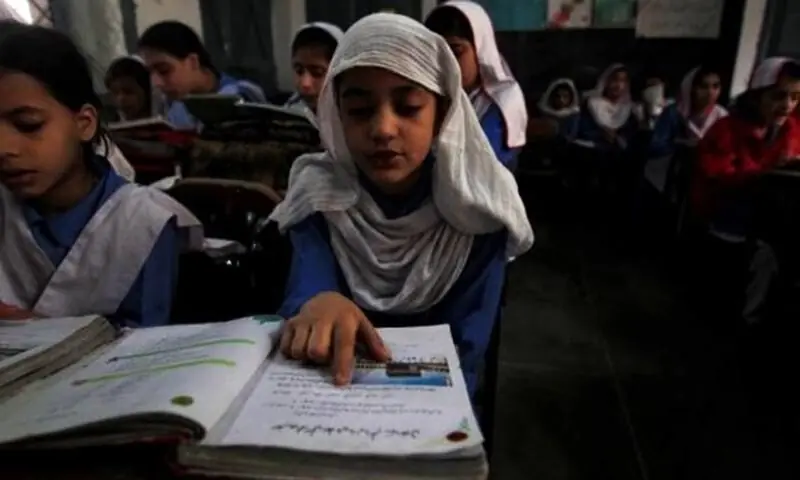
The Punjab government’s decision to overhaul the school curriculum has triggered strong pushback from textbook publishers, who warn the policy will cause massive financial losses and disrupt book availability for the next academic year.
The province recently formed the Punjab Education, Curriculum, Training, and Assessments Authority (PECTAA), a unified body created by merging the Punjab Curriculum and Textbook Board, Quaid-i-Azam Academy for Educational Development, and the Punjab Examination Commission. Led by the provincial education minister, the new authority is responsible for modernising curriculum design, teacher training, and student assessments.
A 16-member committee—including senior officials from schools, higher education, finance, special education, and P&D—will supervise the reform process.
Despite these efforts, the Urdu Bazaar Publishers Association has strongly opposed the move. Its president, Khalid Pervaiz, warned that the sudden change in syllabus could result in losses of around Rs2 billion, as thousands of newly printed textbooks would become unusable for the next session. He criticised the government for not consulting publishers and argued that any replacement of books should come with compensation for unsold stock.
Punjab School Education Minister Rana Sikandar Hayat dismissed the concerns, noting that publishers’ approval is not required for curriculum reform. He said the changes are intended to remove unnecessary content and improve learning outcomes, emphasising that the government can revise curricula if it benefits students.
Hayat added that while the government is open to discussion, the reforms will continue as planned. PECTAA has confirmed that the updated syllabus will be implemented in the 2026–27 academic year.
2 Comments
No comments yet. Be the first to join the discussion!