







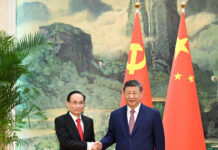






AT the World Economic Forum in Davos, Canadian Prime Minister Mark Carney uttered a truth many leaders tend to avoid: the rules-based international order is fading. We now inhabit an era where power increasingly determines legitimacy, where the strong act with impunity and the weak are left to endure what they must. Trade rules are enforced asymmetrically, international law is applied selectively, and those with military and economic leverage routinely exempt themselves from norms they impose on others. This was not rhetoric; this was an indictment.
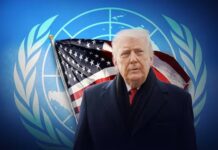
That indictment finds its most glaring embodiment in the conduct of United States President Donald Trump whose foreign policy posture reflects the very decay Carney warned against. In place of diplomacy, patience and mutual respect for sovereignty, Trump has normalised coercion in the shape of tariffs, threats and force against weaker nations, casting the US as the self-appointed global policeman rather than a principled leader.
Nowhere is this more alarming than in Trump’s consistent remarks on Green-land. Cloaked in the language of negotiation, his insistence on rapid talks and “control at any cost” betrays an imperial reflex. An autonomous land of merely 57,000 people — who have repeatedly chosen to remain with Denmark — is being treated not as a community with rights, but as a strategic asset to be acquired. This is diplomacy drained of consent. This is blatant intimidation. When a superpower imposes urgency, negotiations cease to be free; they become coercive.
This pattern extends far beyond Greenland. From Venezuela to Iran, and from Latin America to the Middle East, crises are manufactured, unrest exploited, sanctions weaponised, and regime change whispered as policy. Gaza bleeds under a so-called ceasefire mocked by daily violations, while Ukraine’s war grinds on despite hollow promises of swift peace. Multilateralism is weakened. The United Nations is sidelined. And, international law is reduced to an inconvenience.
It was, therefore, striking — and also necessary — when Ed Davey, speaking in British Parliament, described Trump’s conduct as that of an “international gangster”: threatening allies, trampling sovereignty, destabilising Nato, and believing that force can seize whatever power desires. This was not hyperbole; it was moral clarity. Davey’s words echoed a global unease — that the world is being dragged back towards an age where might precedes right.
The old international order, born from the ashes of World War II, now stands exposed — tilted towards power, leverage and privilege. It is dying because it no longer serves justice. In its place, a new consciousness is emerging, demanding equality, dignity and representation for the weak and the vulnerable.
The world does not belong to emperors of force. It belongs to peoples who yearn for peace. The bitter but truthful words of Carney and Davey reflect global sentiments, and must be heard loud and clear. History teaches us that no empire outlives justice — and no peace is forged by coercion. The future must be built not by the arrogance of power, but by the humility of law.
QAMER SOOMRO
SHIKARPUR