Delivery riders in Karachi work longer hours but earn less as Iran war pushes petrol prices up
Delivery riders in Karachi say surging petrol prices driven by the Iran war have slashed their earnings ahead of Eid, leaving them struggling to cover basics.

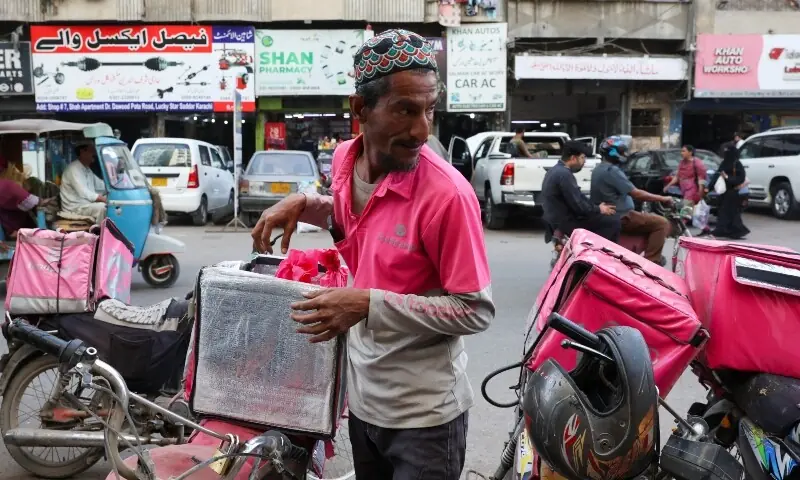
KARACHI: As Eidul Fitr approaches, marking the end of Ramazan, delivery riders navigating the streets of Karachi say they are putting in longer hours but taking home less money, with little left over for the new clothes and festive treats that traditionally accompany the celebration.
Fuel surge eats into daily earnings
Just a few weeks ago, 23-year-old Mohammad Mohsin was able to earn around Rs1,500 a day. However, with the US-Israeli war on Iran disrupting oil supplies and pushing petrol prices above Rs320 per litre, his daily income has dropped to approximately Rs1,100.
"Before it was all mine. Now, a huge sum goes into petrol."
The spike in fuel costs is disproportionately affecting some of Pakistan's lowest-paid urban workers. Many delivery riders are now barely able to cover basic necessities, let alone set aside anything for Eid celebrations.
Riders speak out ahead of Eid
Reuters spoke to more than half a dozen riders in Karachi, all of whom confirmed that the surge in fuel prices had squeezed their earnings in the lead-up to Eid. The financial strain comes at a time when workers in the gig economy typically hope to save a little extra for the holiday.
The rising cost of petrol has turned what is usually a busy and relatively profitable period for delivery riders into a struggle for survival. With orders flowing in as households prepare for Eid festivities, riders find themselves caught between higher demand and shrinking margins, as a growing share of their gross income is consumed by fuel expenses.
For workers like Mohsin, the gap between what they earn and what they spend on petrol has narrowed sharply, leaving them with significantly less disposable income than they had only weeks earlier. The situation underscores the vulnerability of gig economy workers to external economic shocks, particularly fluctuations in global oil markets driven by geopolitical conflict.
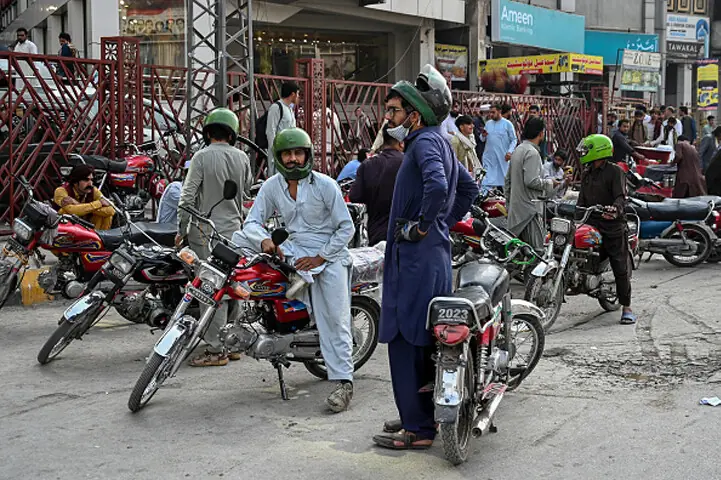
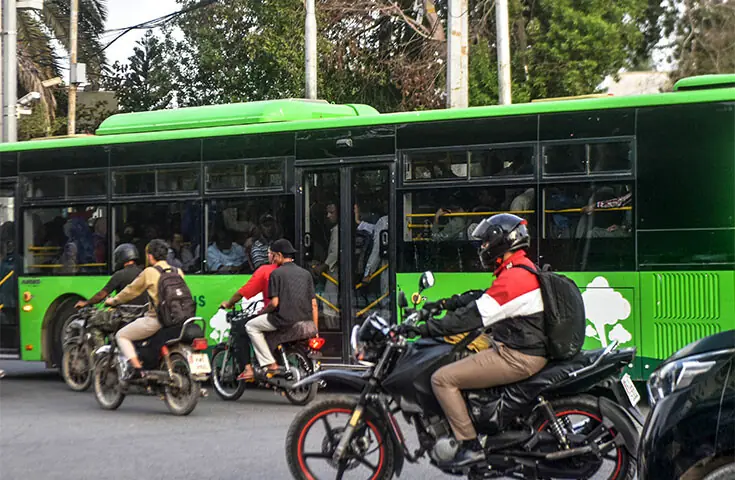
The delivery sector in Karachi, one of Pakistan's largest and most congested cities, relies heavily on motorcycle riders who crisscross the metropolis to fulfil food and parcel orders. For these workers, petrol is their single largest operating expense, and any increase in its price has an immediate and direct impact on their take-home pay.
With Eid just around the corner, the mood among delivery riders remains subdued despite the festive season, as the financial pressures of rising fuel costs continue to weigh heavily on their daily lives.
Comments
No comments yet. Be the first to join the discussion!