Petrol hike drives up ride fares
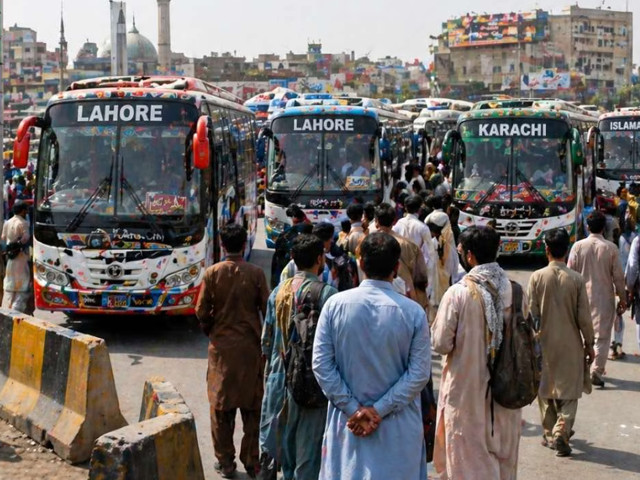
Ride-hailing users in Karachi and other cities are facing higher commuting costs after repeated petrol price increases. As fares remain elevated, some workers are turning to WhatsApp carpooling groups despite safety and scheduling concerns.

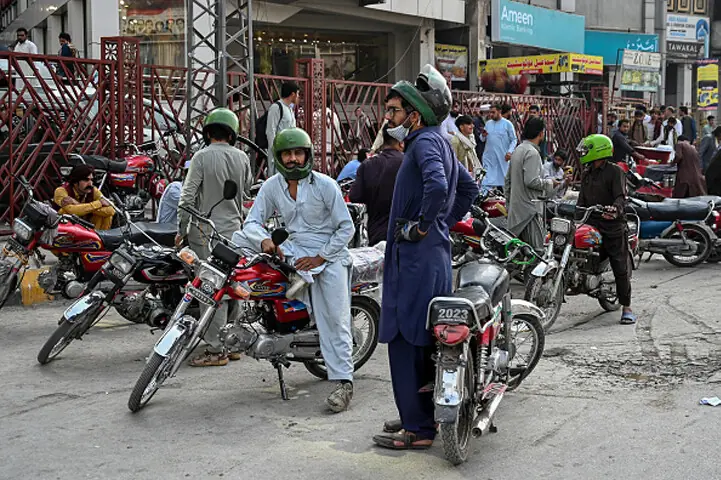
KARACHI: Higher petrol prices have sharply increased commuting costs for users of ride-hailing services, while many workers in major cities are turning to carpooling groups to manage the added burden.
A commuter, Namrah, said the cost of travelling from Nazimabad to Tipu Sultan through ride-sharing apps had risen steeply. She said she previously paid around Rs600-650 for the trip, but after the first increase in petrol prices following the US and Israel’s attack on Iran, fares climbed to as much as Rs1,800 during peak hours. She now pays up to Rs1,000 at busy times, with her average trip costing about Rs700.
The initial jump in fares came after a Rs55 increase in fuel prices in the first week of March. The rise also coincided with Ramazan and Eid, when many drivers had returned to their hometowns or were declining rides, reducing supply and pushing fares higher. Those rates have since eased from their peak, but remain above earlier levels.
Carpooling groups gain traction
To cope with the increase, some commuters have joined WhatsApp-based carpooling groups. Namrah said she joined CommUnityX to look for shared travel options. The group was originally created for networking, but its administrator, Ameeque Malik, encouraged its more than 600 members to seek practical commuting solutions among themselves instead of only discussing rising expenses.
Another commuter, Hamnah, an HR executive, said Carpool Pakistan also helps match people according to their pick-up and drop-off locations. She said she joined CommUnityX as well to explore carpooling.
But commuters also pointed to limitations. Namrah said irregular working hours made carpooling difficult for her. She added, “I joined the group to find carpool options, but I do not have regular hours, which makes carpooling tricky,” and said there were also safety concerns. Messages shared in the same WhatsApp group caution women in particular about travelling with strangers.
inDrive said ride-hailing continued to be important because of the lack of safe public transport. The company said, ‘ride-hailing remains a vital option due to its convenience, reliability, and access to safer mobility choices for women,’
Fuel costs push up operating expenses
Prime Minister Shehbaz Sharif recently said Pakistan’s weekly fuel bill had increased to $800 million from $300m. The latest increase in domestic fuel prices raised petrol by Rs15 to Rs415 per litre, adding to inflationary pressure across sectors including app-based transport.
According to figures cited in the report, a typical Yango vehicle covers 200-250 kilometres a day and undergoes two oil changes each month. For a small hatchback such as a Suzuki Alto or Suzuki Cultus, that means daily petrol use of about 15 litres. On Feb 27, before the first US bombing of Iran, petrol was priced at Rs253 per litre. It has since risen to Rs415.
That change has increased the daily fuel bill for a ride-hailing car from Rs3,795 to Rs6,225, a rise of 64pc, which is then reflected in customer fares. Yango’s spokesperson said cumulative fare increases in Karachi and Lahore were up to 20pc, while in Islamabad and Rawalpindi they had reached up to 35pc because average trip distances were longer and each ride consumed more fuel. “We are burning what we are earning,” says Namrah, who estimated she spent about Rs22,000 a month on commuting, before the last two petrol price hikes.
She said she could not use Bykea because there were no female riders, while travelling by rickshaw left her arriving at work in a dishevelled condition.
Hamnah said her monthly commuting cost had risen from Rs18,000 to Rs23,000, with additional spending on Yango or inDrive when she had to stay late at work. “Our commute expenses have gone up, but our salaries have not,” she says ruefully.
Demand remains firm
Many workers could not leave their jobs simply because travel had become more expensive. Although the government had announced work-from-home measures, many employers still required staff to attend offices in person. As a result, overall demand for mobility services has remained strong, with ride-hailing continuing to serve as a daily necessity for many commuters.
Comments
No comments yet. Be the first to join the discussion!