Oil falls as markets watch possible US-Iran talks in Doha
Oil prices slipped on Tuesday and were set for a monthly decline as markets watched uncertainty over possible US-Iran talks in Doha. Investors also tracked Strait of Hormuz shipping flows and signs of demand from China.


WASHINGTON: Oil prices edged lower on Tuesday and were on course for a monthly decline as investors assessed the possibility of US-Iran talks in Doha against the backdrop of a fragile ceasefire in the four-month conflict.
Brent crude for August delivery, which expires on Tuesday, was down 64 cents, or 0.9%, at $72.51 a barrel at 0356 GMT. That left it about $20, or 22%, below last month’s closing level. The more actively traded September Brent contract fell 31 cents, or 0.4%, to $73.6 a barrel, while US West Texas Intermediate for August slipped 39 cents, or 0.6%, to $70.36 a barrel. WTI is set for a drop of about $17, or 19%, from the May 29 close. Both benchmarks have nearly returned to the levels seen before the war on February 27.
Tim Waterer, chief market analyst at KCM Trade, said investors were factoring in the prospect that the Doha discussions could produce a constructive result, although a full return to normal movement through the Strait of Hormuz had yet to emerge.
"Investors are pricing in hopes of a positive outcome from the Doha talks, even though real normalisation of flows through the Strait of Hormuz is not yet visible. The market is cautiously hopeful but still hedging its bets until we see more tangible signs of de-escalation," he added.
Uncertainty over Doha meeting
Iranian Deputy Foreign Minister Kazem Gharibabadi told state television on Monday that Iranian and Omani experts would begin talks in the coming days on redefining transit routes through the Strait of Hormuz. He also said Iran would seek to obstruct vessels operating outside the designated channels.
At the same time, Iranian Foreign Ministry spokesperson Esmaeil Baghaei said there would be no negotiation meetings at any level with the American side in the coming days. US President Donald Trump also indicated uncertainty over the planned contact, telling reporters in the Oval Office: "The meeting in Doha is going to be perhaps important, perhaps not. We're going to find out."
The differing signals over whether the two sides will meet have underlined the fragility of the June 17 agreement to pause hostilities, which have disrupted oil flows through the Strait of Hormuz and created a political test for Trump before November’s congressional elections.
China demand and shipping flows in focus
Analysts were also weighing concerns over Chinese demand. Neil Crosby, head of research at Sparta Commodities, said the market was still waiting for clearer signs of stronger Chinese buying before assuming a major return by the world’s largest crude importer. "We wait for more evidence of a rise in Chinese buying but cannot yet bet on a big return to the market from the world’s largest crude importer."
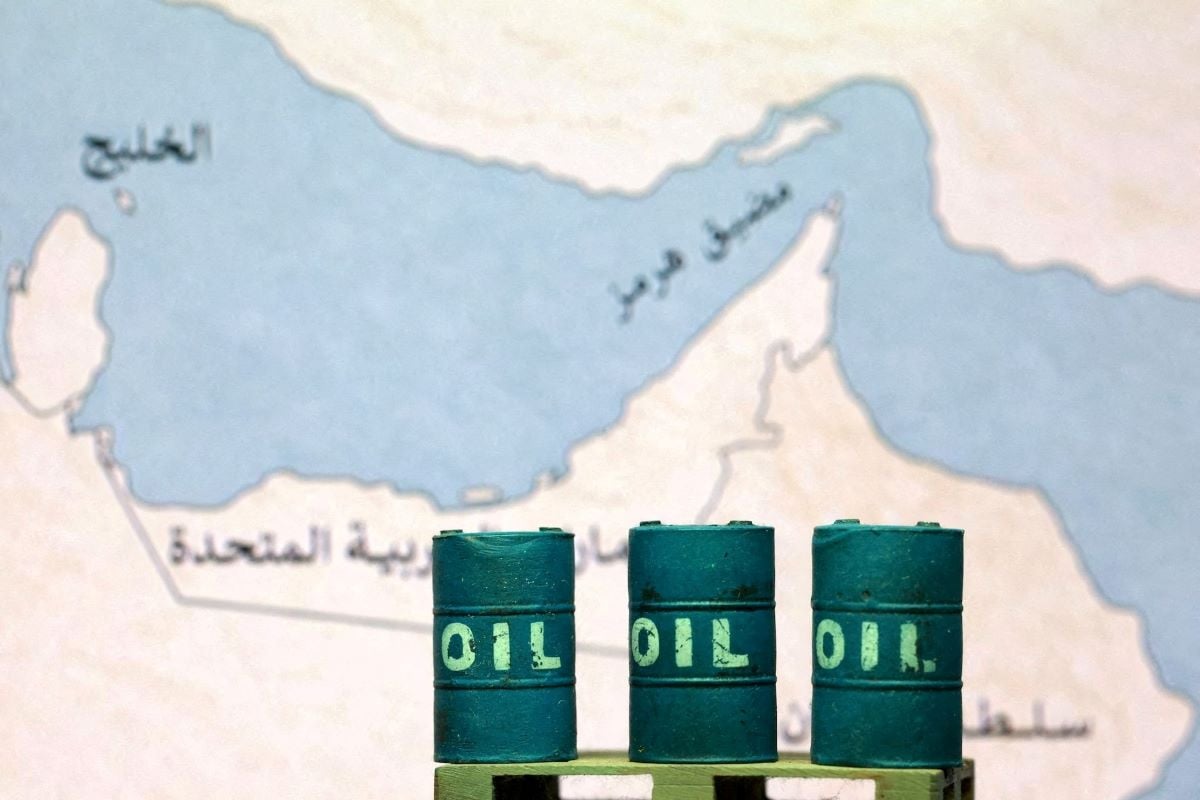
Shipping data, meanwhile, showed that Middle Eastern producers continued loading oil and liquefied natural gas despite new attacks on ships in the Strait of Hormuz and renewed US-Iran strikes in recent days. According to the data, traffic through the waterway last week reached its highest level since the conflict began at the end of February.
Comments
No comments yet. Be the first to join the discussion!