Oil prices drop nearly 6% as Trump says Iran talks are in final stages
Oil prices fell nearly 6% on Wednesday after US President Donald Trump said negotiations with Iran were in the final stages. Markets remained alert to supply disruptions in the Middle East, lower US crude inventories and a slow recovery in regional flows.

WASHINGTON: Oil prices fell sharply on Wednesday after US President Donald Trump said negotiations with Iran were nearing completion, although market caution persisted as concerns over Middle Eastern supply disruptions remained in focus.
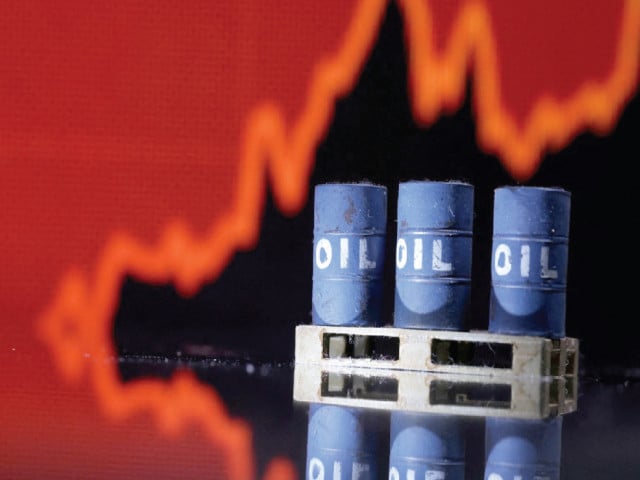
Brent crude futures were down $6.64, or 5.97%, at $104.64 a barrel by 1745 GMT. US West Texas Intermediate futures also declined, falling $6.49, or 6.23%, to $97.66.
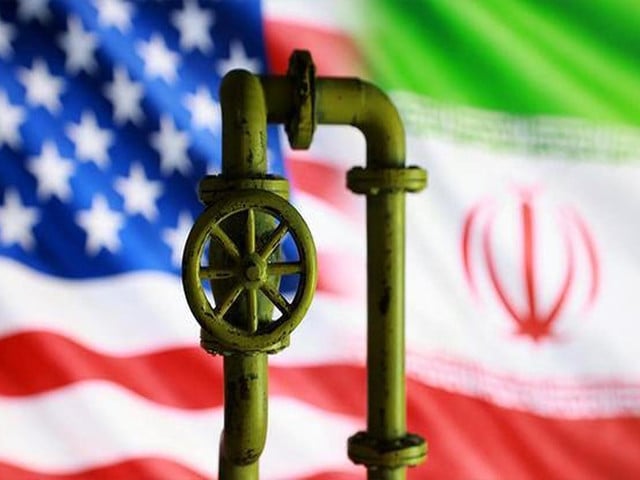
The drop came after Trump said talks with Iran were in their final phase, while also warning that further attacks could follow if Tehran does not agree to a deal. The remarks added to expectations in the market that a diplomatic breakthrough could ease pressure on oil supplies.
At the same time, investors continued to monitor developments affecting shipping and production in the region. Iranian foreign ministry spokesperson Esmaeil Baghaei said Iran was prepared to work with other coastal states to develop protocols for safe shipping traffic, though he did not provide additional details.
Supply indicators and market signals
One closely watched measure of near-term supply tightness also showed some easing. The premium on Brent contracts for delivery next month over those for delivery in six months stood at about $20 a barrel. That was significantly below the levels seen last month, when the premium had risen above $35.
The structure of the Brent market is often used by traders to gauge how tight current supplies are relative to expectations for later delivery. The lower premium suggested that immediate supply concerns had moderated from the peaks recorded last month, even though the broader regional situation remained unsettled.
Russian oil and UAE output outlook
Elsewhere, Russian Deputy Prime Minister Alexander Novak said on Wednesday that some countries were removing sanctions on Russian oil because the global market could not operate without it, according to the state-run TASS news agency.
In the United Arab Emirates, ADNOC Chief Executive Sultan Al Jaber said it would take at least four months for flows to recover to 80% of pre-conflict levels. His remarks pointed to the possibility that supply conditions may remain constrained for some time despite the fall in prices.
US inventories decline
In the United States, crude stockpiles fell last week, according to data released on Wednesday by the Energy Information Administration. The agency said demand remained elevated, contributing to the drawdown in inventories.
The combination of lower US stockpiles, uncertainty over the outcome of negotiations with Iran, and continued disruption to Middle Eastern supply kept traders attentive to further developments even as benchmark prices posted steep losses during the session.
Wednesday’s decline reflected renewed hopes that progress in US-Iran negotiations could reduce risks to energy flows, but the market continued to weigh those expectations against ongoing supply constraints and the uncertain path of regional diplomacy.
Comments
No comments yet. Be the first to join the discussion!