Spain has not banned home air conditioners below 27°C during current heatwave
A viral claim that Spain has barred people from setting home air conditioners below 27°C during the current heatwave is false. The restriction cited online applied in 2022 to public buildings and shops, not private households.


MADRID: A viral claim that Spain has prohibited people from setting home air conditioners below 27°C during the current European heatwave is false, according to a fact-check published by Express Tribune Latest.
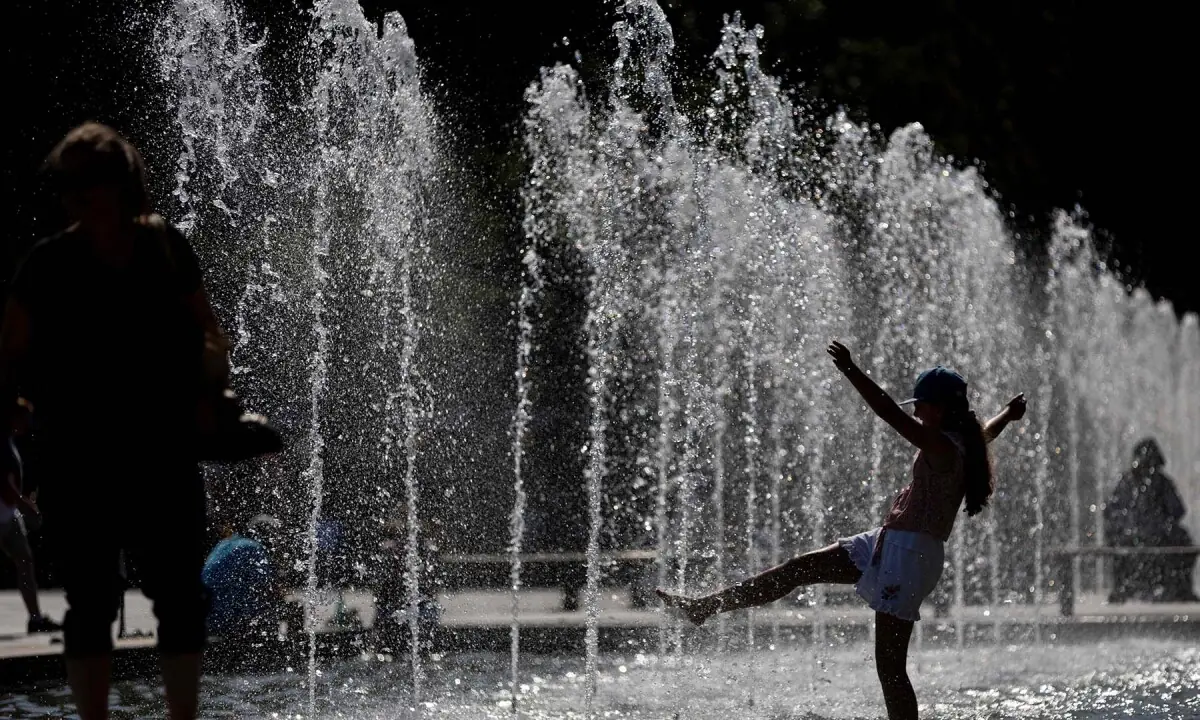
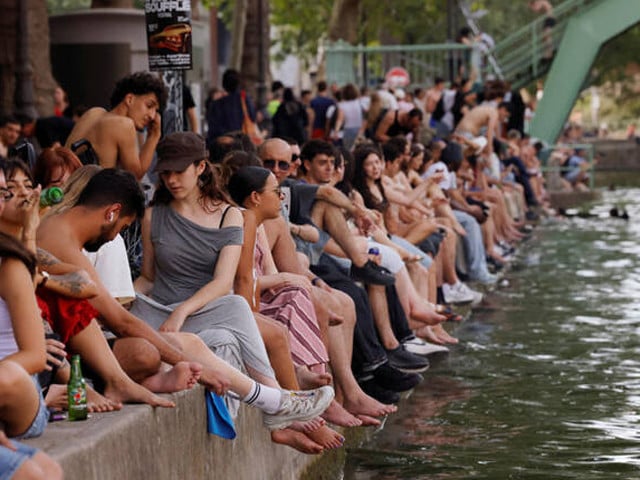
Europe is facing intense heat, with temperatures reaching record levels in Austria, the Czech Republic, Germany and Poland. France and Spain are among the countries hit hardest, with multiple deaths reported because of the extreme weather. UN climate chief Simon Stiell said the heatwave, compounded by buildings and infrastructure not suited to such conditions, had the fingerprints of the climate crisis all over it. He also said that unless humanity stops burning large amounts of coal, oil and gas, the severity of such heat will continue to worsen.
The social media claim circulated on X, where American entrepreneur and political activist Jeremy Kauffman was among those sharing it. In the post, he wrote: "Sometimes I turn on the AC at night just to use a blanket and fall asleep thinking about Europe."
The post included a screenshot stating that Spain was banning people from setting air conditioning below 27°C, and the fact-check said it had been viewed more than 800,000 times. Other users also amplified the same claim.
What the 2022 rule actually covered
Searches for any recent announcement by Spanish authorities or credible local and international media found no evidence of a new ban tied to the present heatwave. Instead, the search led to a Time Out report published on August 3, 2022, which referred to a Spanish government decree introduced that year.
That measure made it illegal in public places to set air conditioning below 27°C. It applied to public buildings and commercial venues including airports, cinemas, bars, rail stations, shopping centres and theatres. However, although people were encouraged to follow the same guidance at home, the rule did not extend to private households.
The 2022 policy was aimed at reducing energy use. It quoted the rationale presented at the time, saying Spain, like the rest of the European Union, had committed to cutting energy consumption by seven per cent and reducing reliance on Russian oil and gas.
It also cited an August 1, 2022 announcement on the official website of the president of the Government of Spain and the Council of Ministers, which stated: "The Council of Ministers has approved a Royal Decree-Law on economic sustainability measures, which includes a Shock Plan for Energy Saving and Management in Air Conditioning to reduce energy consumption in administrative buildings, public buildings and shops, and to facilitate compliance with European commitments arising from the conflict in Ukraine."
Royal decree lapsed after one year.
Energy-saving steps and climate impact
Express Tribune Latest said other European countries also adopted energy-saving measures in 2022 amid the Russia-Ukraine war. Germany limited heating in public buildings to a maximum of 19 degrees Celsius and switched off lights around monuments, while France warned air-conditioned shops they could be fined for leaving doors open.
The fact-check added that Spain has not announced any fresh restrictions on air-conditioner use in connection with the current heatwave. Wider concerns over the link between cooling and climate change. Citing a UN report, air conditioners are contributing more to global warming and that by 2050, cooling will account for 10pc of global greenhouse gases.
Rising temperatures increase demand for air conditioning, while heavy use of cooling systems can intensify the urban heat island effect, where cities become much warmer than nearby rural areas. It cited CBC News as quoting Hans-Martin Füssel, a climate risk expert at the European Environment Agency, who said: "In very dense city spaces, air conditioning … basically transports heat from the buildings to the urban environment and can create an even stronger urban heat island effect."
The fact-check concluded that the circulating screenshot was linked to a 2022 energy-saving measure introduced during the Russia-Ukraine war, not a current restriction on households during the present heatwave.
Comments
No comments yet. Be the first to join the discussion!