Pakistan tells UN oceans must not become arenas of domination

- Islamabad’s envoy vows to resist marginalisation of coastal states, warns against turning seas into zones of conflict
- Backs fair benefit-sharing, tech transfer to Global South, reaffirming strong support for 1982 UNCLOS framework
- Opposes seabed mining until equitable rules are finalized, calling for unified global response to climate threats to oceans
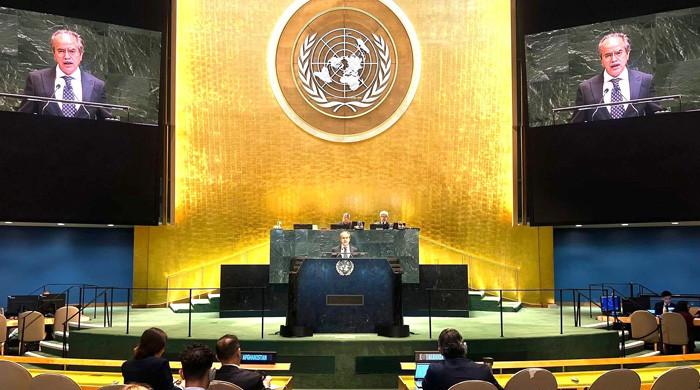
UNITED NATIONS: Warning against growing geopolitical competition at sea, Pakistan on Monday told the UN General Assembly that the world’s oceans must not become arenas of domination or exclusion, stressing they should instead remain zones of cooperation, collaboration and shared prosperity.
Emphasizing the vital link between maritime stability and national interests, Pakistan said it would firmly reject any attempt to marginalise coastal states or undermine the openness of maritime spaces governed by international law.
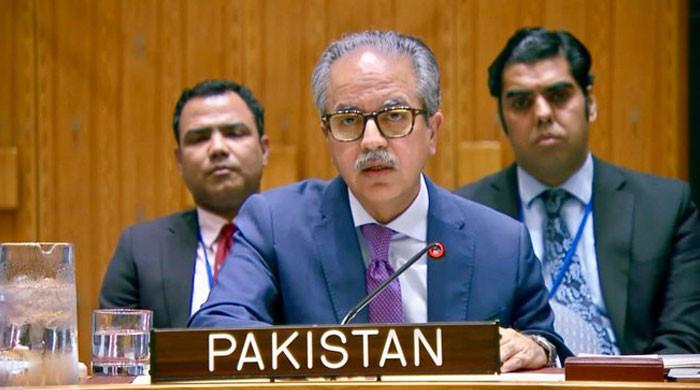
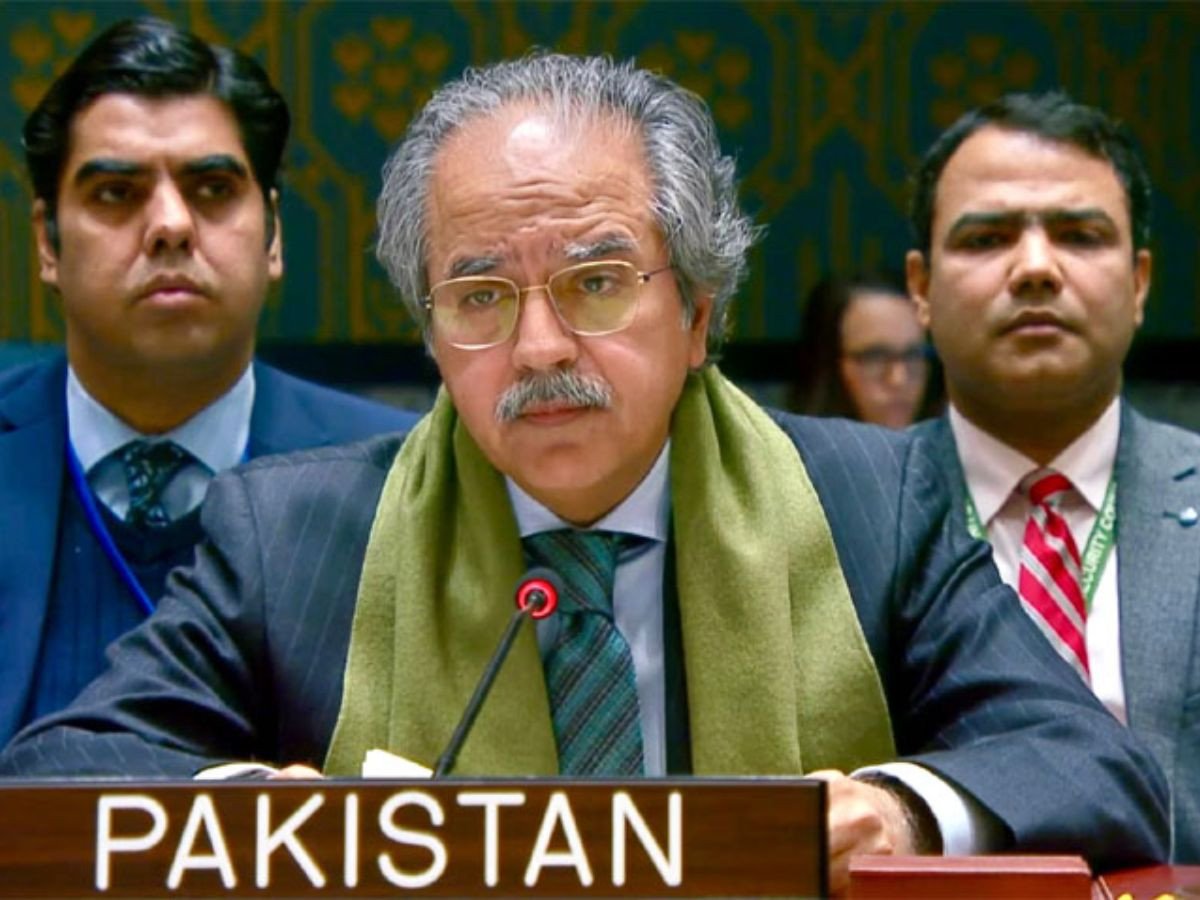
“As a coastal State, Pakistan’s security, commerce and trade, and regional connectivity are deeply intertwined with the stability and openness of the maritime domain,” Pakistani delegate Zulfiqar Ali said while speaking in a General Assembly debate on ‘Oceans and the Law of the Sea’.
He said the 1982 United Nations Convention on the Law of the Sea (UNCLOS) provided a “robust” legal framework for regulating all ocean-related activities. “The imperatives of the 21st century call for turning our maritime zones into regions of cooperation and collaboration, not into spheres of conflict and competition,” he added.
The Pakistani delegate, a first secretary at the Pakistan Mission to the UN, welcomed the forthcoming entry into force of the UN Agreement under UNCLOS on the Conservation and Sustainable Use of Marine Biological Diversity of Areas Beyond National Jurisdiction on January 17, 2026, which Pakistan signed in July.
He stressed the need for fair benefit-sharing, capacity-building and technology transfer, in line with the principle of the common heritage of humankind, particularly to support the Global South in maritime economic development.
Calling for a comprehensive regime for seabed exploitation, Zulfiqar Ali said rules on equitable benefit-sharing must be finalised before mining could begin in the “”Area”—the seabed and ocean floor beyond national jurisdiction. “Until such time, we oppose the approval of any work plan for commercial exploitation,” he added.
Pakistan also highlighted the mounting threats facing the world’s oceans due to climate change, warning that their deteriorating health posed an existential threat to life on Earth, and urged a unified global response grounded in multilateralism.
Comments
No comments yet. Be the first to join the discussion!