


Iran-USA peace deal under siege
Delegations from the US and Iran meet in Switzerland to turn the Islamabad Memorandum into a permanent settlement. But hawkish US criticism and Israel’s demands put the peace process under pressure.
Jun 22, 2026
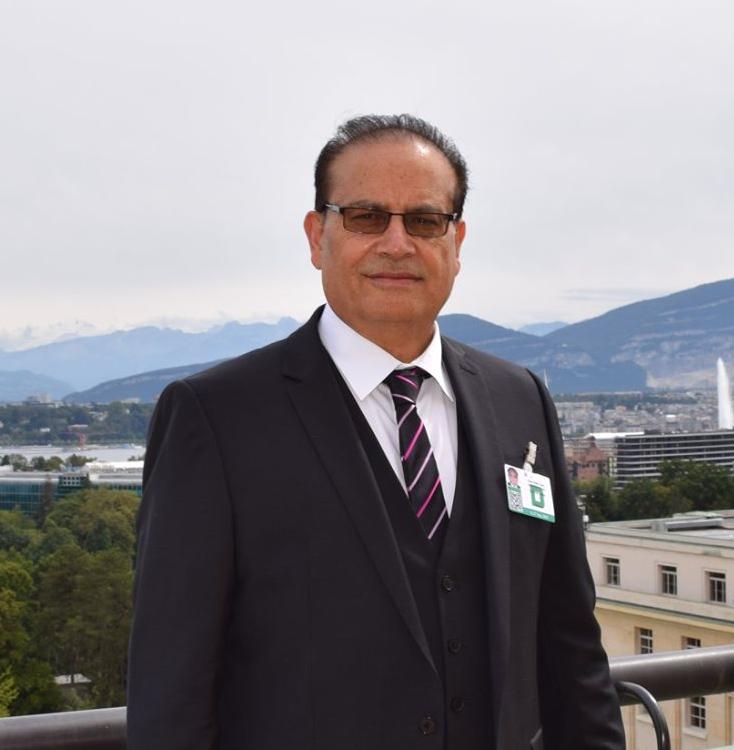
The writer retired as Press Secretary the President, and is former Press Minister at Embassy of Pakistan to France and former MD, Shalimar Recording & Broadcasting Company Limited
Delegations from the US and Iran meet in Switzerland to turn the Islamabad Memorandum into a permanent settlement. But hawkish US criticism and Israel’s demands put the peace process under pressure.

President Trump shifts from maximum pressure on Iran to backing a peace agreement, arguing escalation would damage global markets. The change reflects economics and geopolitical realities as Washington seeks stability.

Iran’s confrontation effort to weaken Tehran instead boosted Iran’s regional influence. As negotiations expand, diplomatic outcomes and potential sanctions relief could reshape the Middle East.

The reported downing of a U.S. Apache helicopter over the Persian Gulf intensifies pressure on Washington as it tries to pursue diplomacy with Iran and manage regional flare-ups amid Lebanon tensions.

As FIFA 2026 kicks off on June 11, Pakistan’s impact reaches beyond diplomacy: its Sialkot craftsmen produce the match balls, symbolizing unity amid geopolitical tensions.

The Iran conflict is framed as nuclear and missile threats, but the deeper driver may be control of the Strait of Hormuz—an energy chokepoint that shapes trade and strategy for China and Russia.

As Israel’s clashes with Iran, Hezbollah, and Gaza continue, it may be turning toward Turkey. The article argues Israel’s nuclear ambiguity shapes escalation and deterrence in the rivalry.

During the Hormuz crisis, countries reportedly pursue direct or mediated understandings with Tehran to keep trade flowing. The shift weakens US coalition leadership and changes negotiation leverage toward Iran.

As tensions between Iran and Israel escalated toward catastrophe, Pakistan used diplomacy and trust-building to stabilize the region, reduce pressure on Iran, and reshape mediation dynamics.

The US and Israel effectively end direct military confrontation with Iran, while the Strait of Hormuz remains disrupted. The war’s fallout sparks global oil shocks, inflation, and major economic losses.

Pakistan’s diplomatic push to mediate between the US and Iran faces major hurdles as the conflict expands beyond bilateral talks, pulling in Israel, the GCC, and multiple regional theatres.

As the US fights Iran in the Gulf, reports estimate daily costs up to $1B and $60–70B by May 2026. Gulf states host bases and absorb much of the financial burden.