June 22, 2026
Iran-USA peace deal under siege
Delegations from the US and Iran meet in Switzerland to turn the Islamabad Memorandum into a permanent settlement. But hawkish US criticism and Israel’s demands put the peace process under pressure.
June 22, 2026

The snow-capped mountains surrounding Switzerland's Bürgenstock Resort provide a picture of serenity. Inside its conference halls, however, some of the most consequential negotiations of the 21st century are unfolding amid extraordinary tension, diplomatic maneuvering, political resistance, and strategic uncertainty. What began as a breakthrough framework between the United States and Iran has now evolved into a global contest between advocates of diplomacy and champions of perpetual confrontation. The fate of the emerging peace process may well determine not only the future of U.S.–Iran relations but also the economic stability of the world and the security architecture of the Middle East.
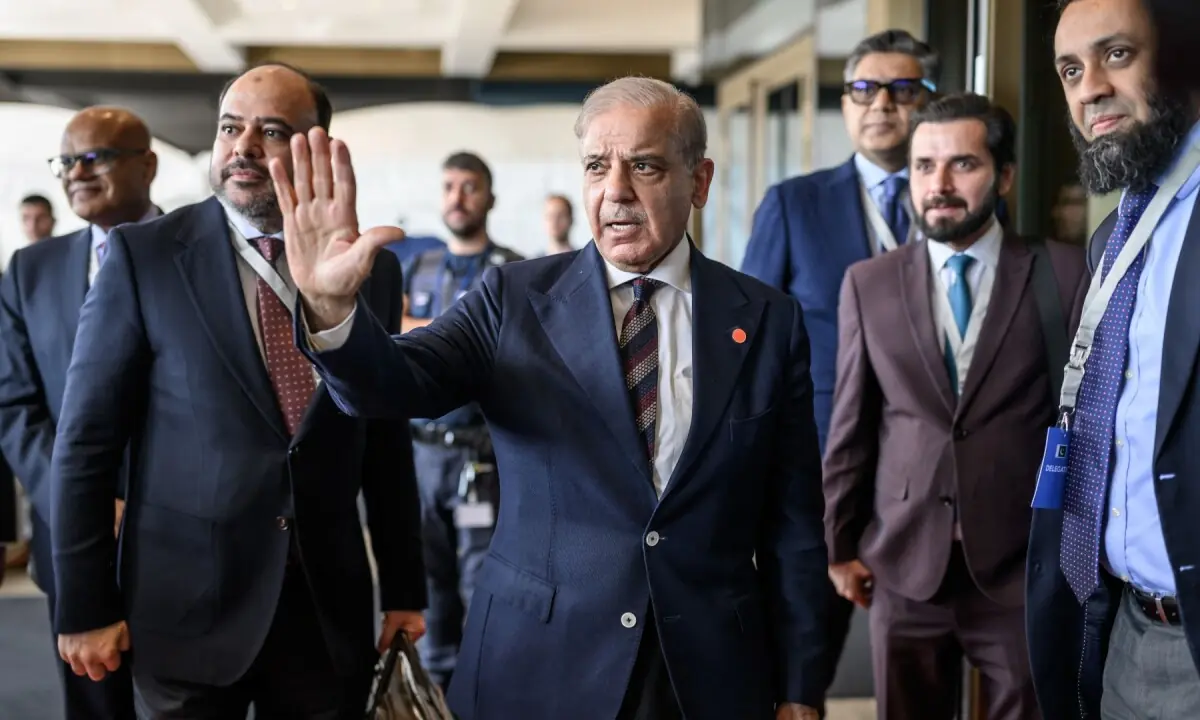
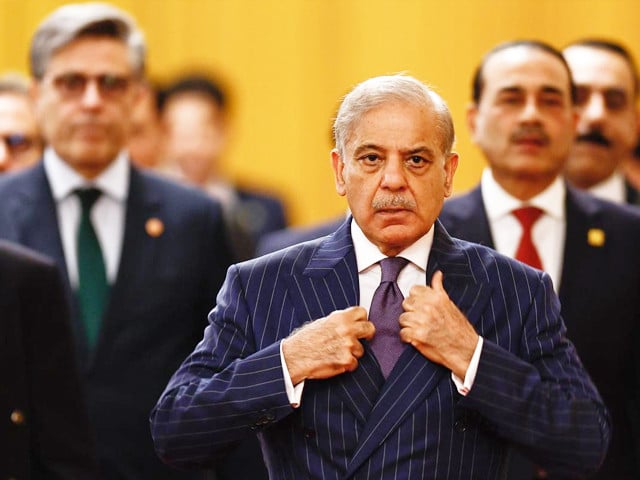
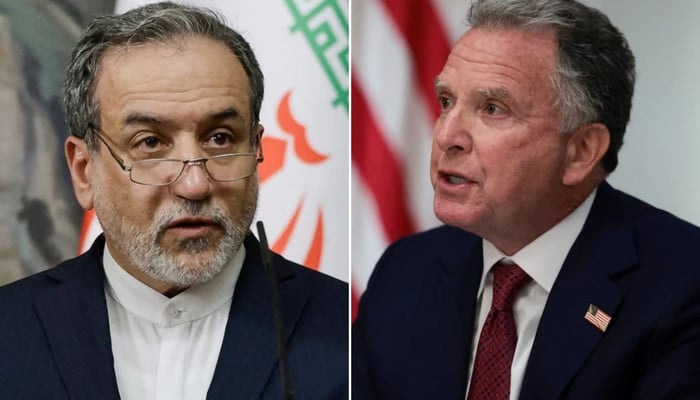
The technical negotiations now underway in Switzerland are intended to transform the recently signed Islamabad Memorandum of Understanding into a permanent settlement. The framework, reached after months of indirect and direct diplomacy and supported by Pakistan and Qatar, established a 60-day roadmap for resolving some of the most dangerous disputes in the region, including nuclear issues, sanctions, frozen assets, regional security, and freedom of navigation through the Strait of Hormuz. Reports from Switzerland indicate that Vice President JD Vance is leading the American delegation, while Foreign Minister Abbas Araghchi and Parliamentary Speaker Mohammad Bagher Ghalibaf represent Iran. Pakistani Prime Minister Shehbaz Sharif and Qatari officials continue to play an active mediating role.
Yet even before negotiators could settle into substantive discussions, the process encountered turbulence. President Donald Trump, seeking to reassure domestic critics and maintain pressure on Tehran, warned publicly that military action could resume if Iran violated its commitments or threatened regional stability.
Iran reacted sharply, by expressing its displeasure through diplomatic distance and symbolic gestures, reflecting the deep mistrust that continues to define relations between the two countries. Negotiations nevertheless continued, highlighting both the fragility and importance of the diplomatic track.
The strongest resistance to the agreement has emerged from hawkish political circles in Washington. Several influential Republican figures have criticized the framework, arguing that it grants Iran economic relief without permanently eliminating what they regard as the core security threats posed by Tehran.
Senator Bill Cassidy described the arrangement as a major strategic mistake. Senator Roger Wicker expressed concern that hard-won leverage was being surrendered too quickly. Senator Lindsey Graham questioned both the substance of the agreement and the broader diplomatic strategy surrounding it. Collectively, these critics argue that sanctions relief, asset unfreezing, and economic normalization provide benefits to Iran before sufficient security guarantees have been secured.
Supporters of the framework offer a different perspective. They argue that diplomacy succeeds not through the humiliation of one side but through the creation of incentives that encourage compliance and reduce incentives for conflict. They contend that years of sanctions, pressure campaigns, military operations, and threats have failed to produce a durable solution. If military force could permanently solve the dispute, they argue, the issue would have been resolved long ago.
The most dramatic opposition, however, has emerged from Israel. Prime Minister Benjamin Netanyahu has repeatedly emphasized that Israel's strategic objectives differ from those of Washington. Israeli officials continue to insist that any lasting arrangement must permanently eliminate Iran's enrichment capabilities, constrain its missile programs, and weaken its regional network of allied groups. Netanyahu has publicly stated that Israel will continue pursuing its security objectives and will not permit Iran to acquire nuclear weapons.
Israeli leaders have also signaled that they intend to maintain military pressure against Hezbollah in Lebanon regardless of broader diplomatic developments. This disagreement reveals a profound strategic divergence between Washington and Jerusalem. The Trump administration increasingly appears focused on preventing a wider regional war, stabilizing energy markets, reopening maritime trade routes, and reducing the economic burdens associated with prolonged military engagement. Israel, by contrast, remains focused on achieving what it views as decisive security outcomes against Iran and its regional allies. The resulting tension has produced one of the most visible policy disagreements between the two allies in recent years.
The Lebanon issue has become the most immediate manifestation of this divide. Reports from the negotiations suggest that Tehran has made developments in Lebanon a central issue during the Swiss discussions.
Iran argues that regional stability cannot be achieved while military operations continue on multiple fronts. Israel, meanwhile, insists that its campaign against Hezbollah remains essential to its national security. The dispute threatens to complicate implementation of the broader framework and demonstrates how interconnected Middle Eastern conflicts have become.
At the center of this diplomatic storm stand Pakistan and Qatar. Their role has evolved from facilitator to guardian of the process itself. Throughout months of negotiations, repeated setbacks, periods of military escalation, and diplomatic breakdowns, both countries continued to maintain channels of communication between adversaries who often appeared incapable of speaking directly to one another.
Pakistan, in particular, has emerged as an increasingly significant diplomatic actor. Prime Minister Shehbaz Sharif's direct involvement and the participation of Pakistan's senior leadership underscore Islamabad's determination to secure a peaceful outcome. The mediators now face the difficult challenge of preserving momentum while managing crises generated by regional developments and domestic political pressures.
The stakes extend far beyond diplomacy. For the United States, the consequences involve energy prices, inflationary pressures, military expenditures, and broader strategic priorities. For Iran, the negotiations offer a potential pathway toward economic recovery, reconstruction, reintegration into global markets, and relief from years of economic isolation.
For Europe, Asia, and energy-importing nations around the world, the stability of the Strait of Hormuz remains a matter of immense importance. Any renewed disruption would reverberate through global supply chains, financial markets, and national economies.
The negotiations therefore represent far more than a bilateral dispute. They are a test of whether diplomacy can prevail over entrenched hostility, whether compromise can overcome ideological rigidity, and whether regional powers can choose stability over confrontation.
History often remembers the battles that start wars. It pays far less attention to the exhausting negotiations required to end them. Today, in Switzerland, diplomats, mediators, and political leaders are engaged in precisely that difficult task. Their challenge is not merely to sign documents but to create enough confidence, accountability, and mutual interest to sustain peace beyond signatures and ceremonies.
The road ahead remains uncertain. Hawks in Washington continue to criticize the agreement. Israel remains skeptical and defiant. Iran remains cautious and distrustful. Yet despite these obstacles, the talks continue. That fact alone offers a measure of hope. If the negotiators can withstand political pressure, regional spoilers, and domestic opposition, they may achieve something far more significant than a temporary truce: the foundation of a new strategic equilibrium in the Middle East.
The alternative—a return to escalation, confrontation, and economic disruption—is a prospect neither the region nor the world can afford.
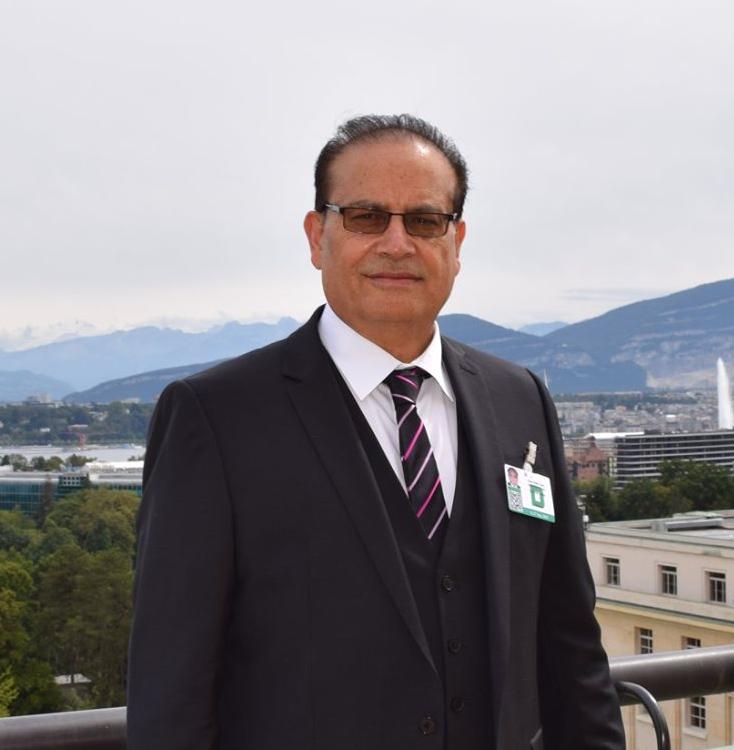
The writer retired as Press Secretary the President, and is former Press Minister at Embassy of Pakistan to France and former MD, Shalimar Recording & Broadcasting Company Limited
View all articles →0 Comments
No comments yet. Be the first to join the discussion!