June 18, 2026
Timeline outlines 111-day US-Israel war on Iran and Pakistan-brokered truce
A published timeline says the US-Israel war on Iran began on February 28 and evolved from direct strikes into a ceasefire and maritime standoff. It says Pakistan later brokered a preliminary agreement formalised through an electronic memorandum of understanding.

June 18, 2026
ISLAMABAD: A timeline published on Thursday traced the course of the US-Israel war on Iran from the opening strikes on February 28 to a preliminary peace arrangement announced this week, describing a conflict that widened across the region before moving into a ceasefire, maritime confrontation and Pakistan-led diplomacy.
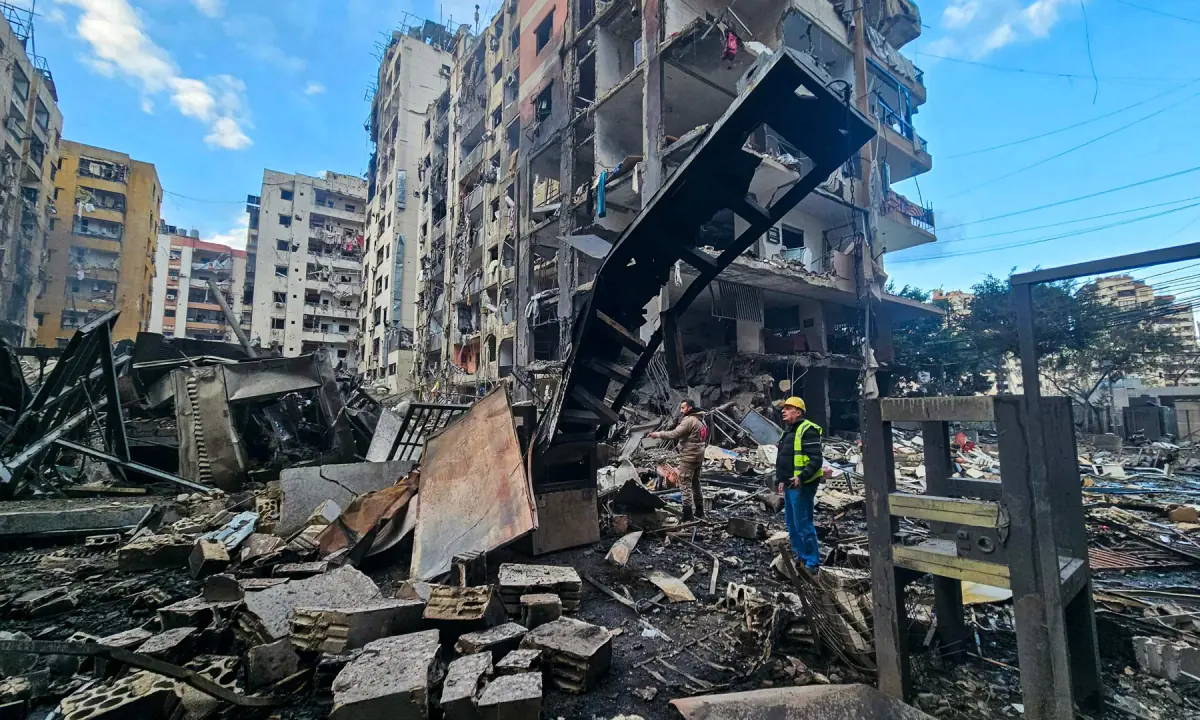
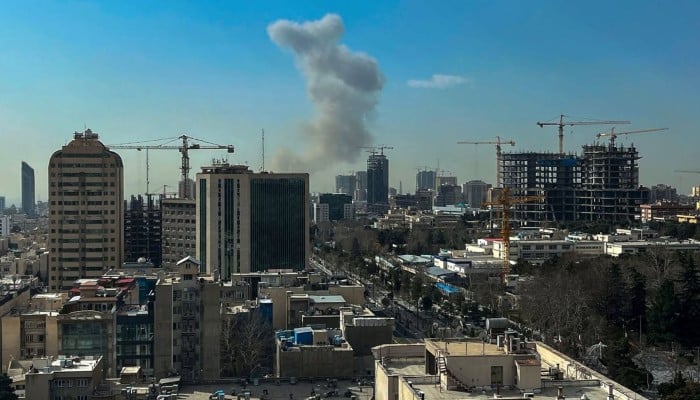
The war began with coordinated US and Israeli strikes on military sites, missile infrastructure, air defences and command facilities across Iran. Ayatollah Ali Khamenei was martyred in the opening attacks along with senior Iranian political and military officials. During the same initial phase, a girls’ primary school in Minab in southern Iran was also struck, causing heavy civilian casualties.
Iran responded with missile and drone attacks on Israel and on US-linked military facilities in Bahrain, Qatar, Kuwait and the UAE. One Iranian missile hit Beit Shemesh, causing casualties, while later strikes also hit Arad and Dimona near Israel’s nuclear facility. Tehran meanwhile declared the Strait of Hormuz closed to international shipping, turning the confrontation into a wider energy and maritime crisis.
Regional fronts widened
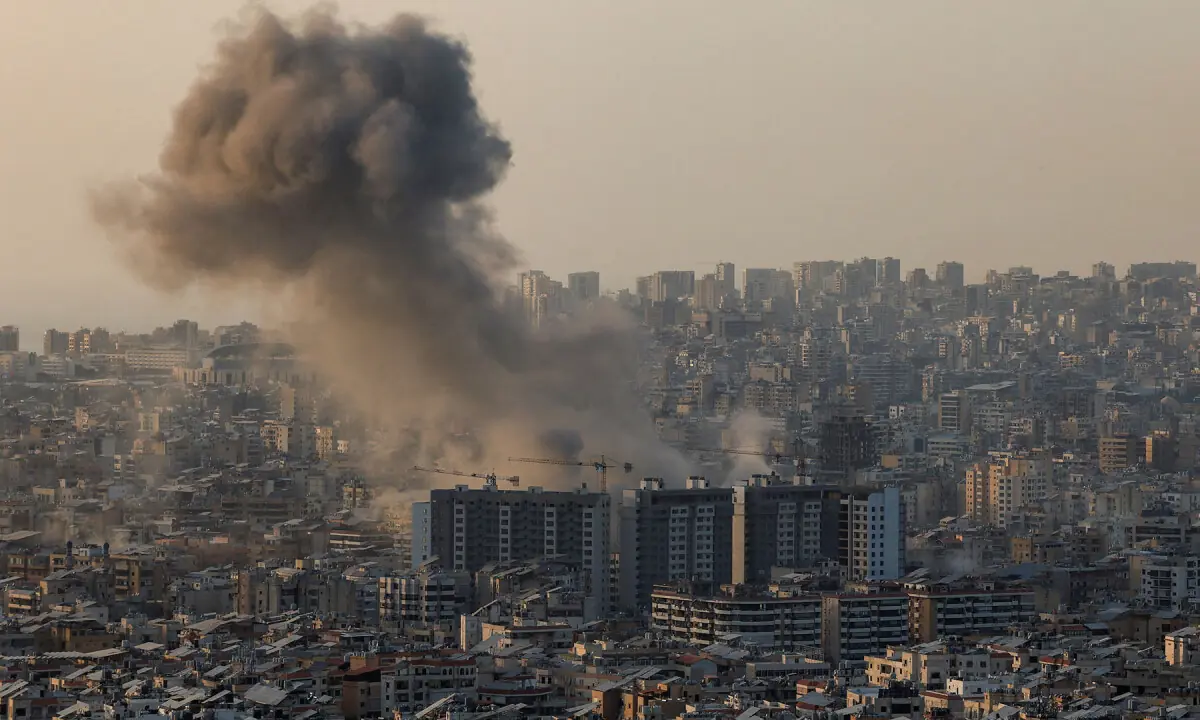
Hezbollah fired projectiles from Lebanon towards Israel after Khamenei’s martyrdom, prompting Israeli strikes across Lebanon and opening a second major front in the war. Israel later announced a ground operation in southern Lebanon, saying it aimed to create a security zone, a step that became a major obstacle in subsequent ceasefire talks.
Between March 4 and 8, Iranian forces began attacking ships attempting to pass through the Strait of Hormuz, leading to rerouted tanker traffic, higher insurance risks and a sharp drop in commercial movement through the waterway. During the same period, US President Donald Trump demanded Iran’s "unconditional surrender" and threatened further attacks if Tehran did not accept US terms.
Iran named Mojtaba Khamenei, son of Ayatollah Ali Khamenei, as the country’s new paramount leader. The United States then launched a focused aerial campaign against Iranian naval vessels and drone infrastructure around Hormuz in an attempt to force the strait open.
Later in March, Iran struck Arad and Dimona as Israeli attacks on Tehran continued. Iran turned back Chinese-linked vessels at Hormuz, indicating that even shipping seen as friendly could be restricted under wartime controls. Yemen’s Houthi movement then entered the conflict and resumed missile attacks on Israel.
Trump subsequently expanded his threat list to include Kharg Island, Iran’s main oil export terminal, and Iranian desalination plants, while also saying the war could end in a couple of weeks. Iranian forces shot down a US F-15E Strike Eagle over southwestern Iran, prompting a major American combat search-and-rescue operation.
Ceasefire and mediation
From April 8 onward, the conflict shifted into a phase shaped by diplomacy and repeated violations. Officials in Islamabad presented a phased ceasefire framework as Pakistan’s mediation role grew, but Iran rejected that draft and submitted its own proposal, insisting that any ceasefire must also apply to Lebanon.
US forces then struck military targets on Kharg Island before Trump’s final deadline, after which Pakistan helped secure a fragile two-week ceasefire between Washington and Tehran. Pakistan later announced that the United States and Iran had agreed to an immediate ceasefire, though disagreement quickly emerged over whether it covered Lebanon, where Israeli operations continued and Hezbollah kept firing rockets towards Israeli border communities.
High-level US-Iran talks were held in Islamabad on April 11 and 12, but the negotiations collapsed over unresolved issues including the Strait of Hormuz and Iran’s nuclear programme. Following the breakdown, the United States imposed a naval blockade on Iranian ports, while Iran tightened pressure around Hormuz, turning the ceasefire into a maritime standoff.
Washington also hosted high-level diplomatic engagement between Israel and Lebanon in an effort to secure a separate ceasefire on the Lebanese front. A US-brokered Israel-Lebanon ceasefire later came into effect on April 16 and 17, although Israeli operations in southern Lebanon continued amid accusations of violations.
During the same period, US forces seized an Iranian-flagged cargo ship near the Strait of Hormuz, saying it had attempted to evade the naval blockade, while Iran described the move as a ceasefire violation. Trump then extended the Iran ceasefire indefinitely without setting a new deadline even though disputes over the nuclear issue, the US blockade and control of the strait remained unresolved.
Hormuz dispute persisted
Iran seized cargo vessels in the Strait of Hormuz on April 22 and 23, accusing them of trying to cross without permits, underscoring Tehran’s continuing leverage over the waterway. Israel and Lebanon later agreed to extend their ceasefire by three weeks, though violations persisted and oil prices stayed elevated because of uncertainty around Hormuz and the US blockade.
Trump also warned that the US would target Iranian mine boats operating in the strait. Iran offered to ease its control over Hormuz if Washington lifted its blockade and ended the war, as diplomacy continued through the following weeks.
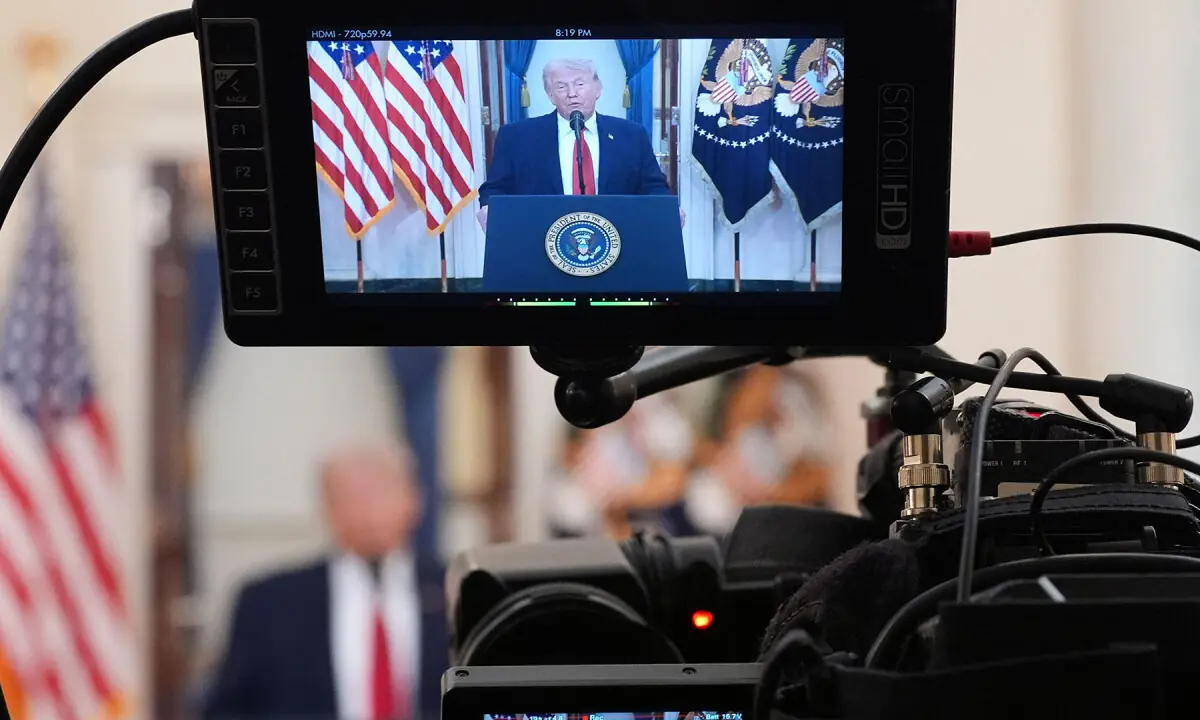
The final stage culminated in a preliminary agreement announced by Pakistan, the United States and Iran to end the conflict. The deal was brokered by Pakistan and formalised through an electronic memorandum of understanding signed by Trump, Iranian President Masoud Pezeshkian and Prime Minister Shehbaz Sharif, with all sides confirming the development earlier on Thursday.
0 Comments
No comments yet. Be the first to join the discussion!