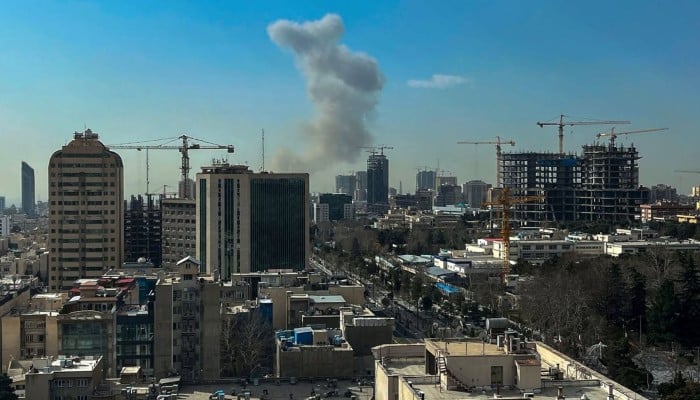
Trump speech followed by wider strikes and retaliation on day 34 of US-Israel war on Iran
Day 34 of the US-Israel war on Iran saw intensified strikes and swift Iranian retaliation after President Donald Trump’s speech. The conflict also deepened economic pressure around the Strait of Hormuz.

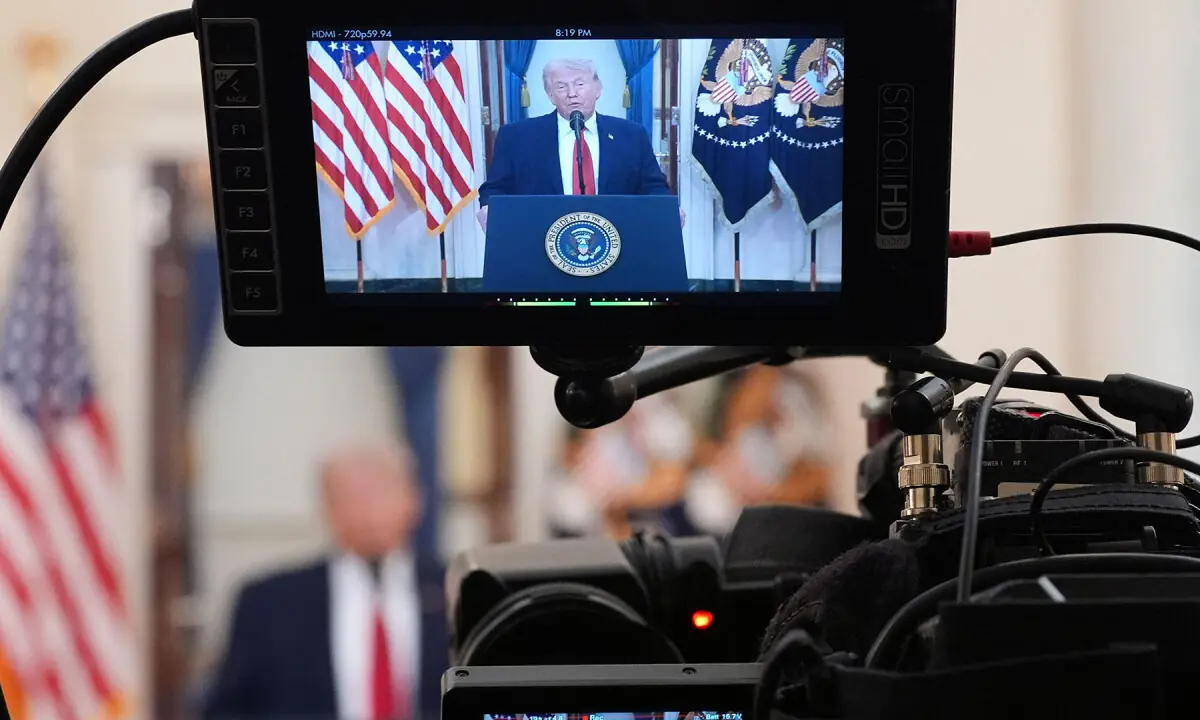
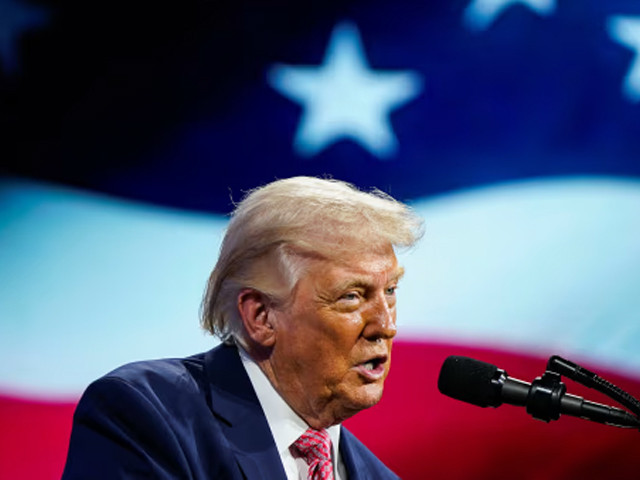
Washington: The 34th day of the US-Israel war on Iran unfolded immediately after a speech by US President Donald Trump that, according to developments reported over the following hours, was followed by further escalation rather than any visible move toward de-escalation.
In his address, Trump said US and Israeli goals were close to being achieved and pledged another two to three weeks of intensified attacks. He also warned that Iran could be pushed back to the Stone Age if it did not reopen the Strait of Hormuz.
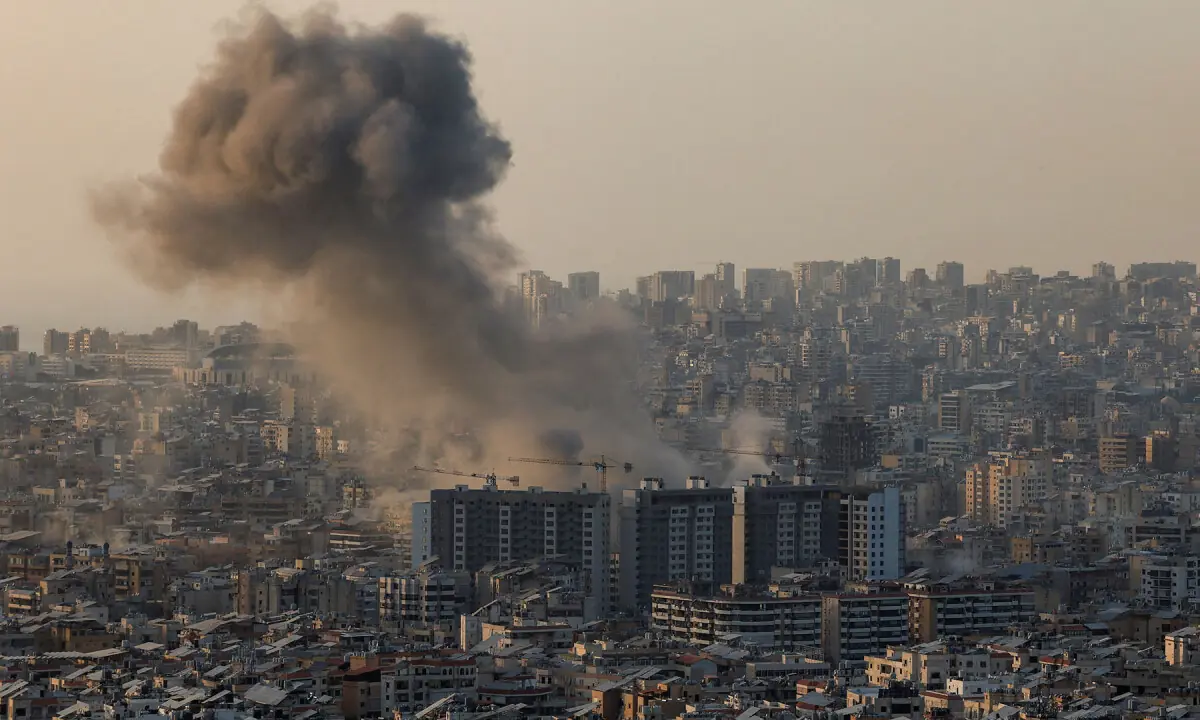
Iran responded within minutes of the speech, with the Islamic Revolutionary Guard Corps launching what was described as one of its largest single-night barrages in recent weeks. The attacks included ballistic missiles aimed at central Israel, especially the Tel Aviv metropolitan area, along with drone and missile strikes on targets in the Gulf.
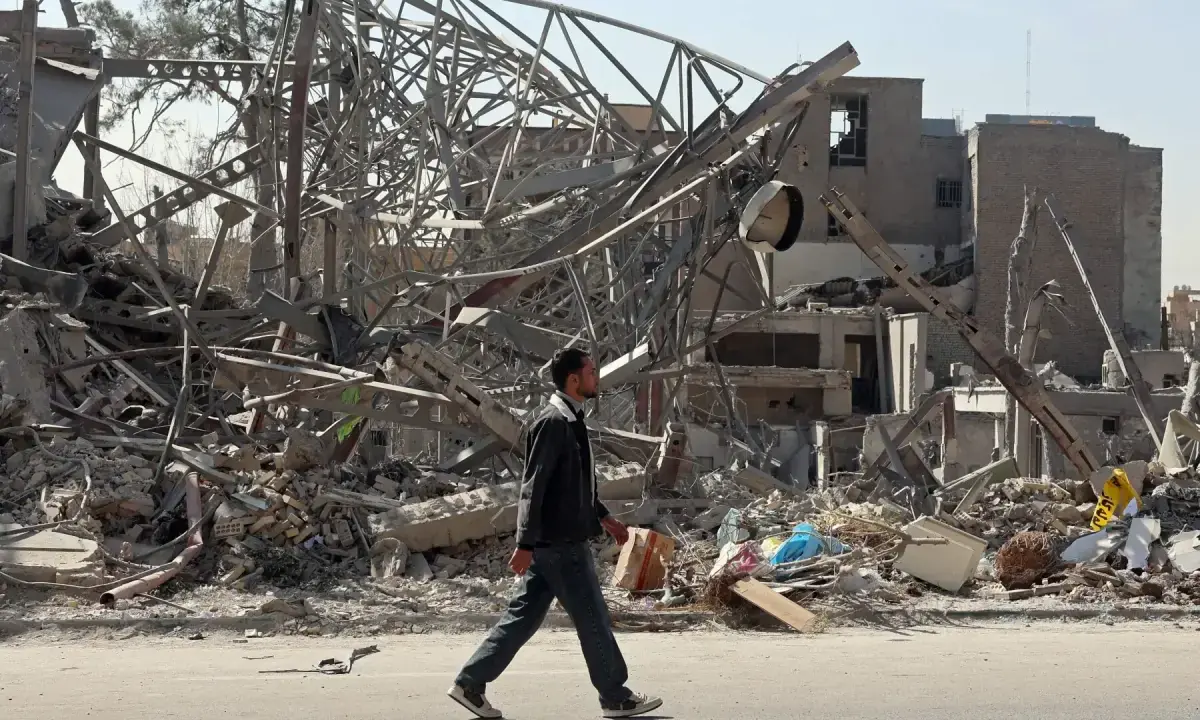
Over the past 24 hours, military activity remained intense. US and Israeli forces carried out multiple attacks across Iran, including more than 20 reported strikes in the wider Tehran area, as well as additional operations in Isfahan and Mashhad. Maritime infrastructure was also targeted, including facilities on Qeshm Island.
Among the reported strikes were attacks on the B1 bridge in Karaj and the century-old Pasteur Institute, which was described as a symbolically important part of Iran’s healthcare system. The Pasteur Institute strike was the latest in a series of attacks by the US-Israeli alliance on Iran’s pharmaceutical industry and healthcare facilities.
Iran also widened its retaliatory operations across the Gulf. These included reported strikes on US and Israeli assets, the destruction of early-warning radar systems in the United Arab Emirates, a hit on a tanker linked to Israel that was left burning, and attacks on US command facilities in Bahrain and Kuwait. A drone swarm was also directed at the USS Abraham Lincoln, which was later reported to have moved farther into the Indian Ocean.
Regional fronts and diplomacy
Other fronts in the conflict also showed signs of escalation. Hezbollah carried out what was described as its first use of longer-range Scud-type missiles from Lebanon against Israeli military sites. The Houthis, meanwhile, signalled readiness to expand the maritime side of the conflict and could move to close the Bab el-Mandab Strait if Gulf states increased their involvement.
Despite the scale of operations, there were limited signs of tactical adjustment. The absence of US bomber sorties during a particular overnight period, which some Iranian sources interpreted as temporary restraint. However, this was not confirmed by official channels and did not lead to any broader slowdown in military activity.
On the political side, Iran’s leadership continued to reject negotiations under current circumstances. Senior Iranian figures repeated demands for sanctions relief and compensation for war damage as conditions for any talks, while official messaging presented the war as an existential defence and stressed resilience in the face of attacks on civilian and scientific infrastructure.
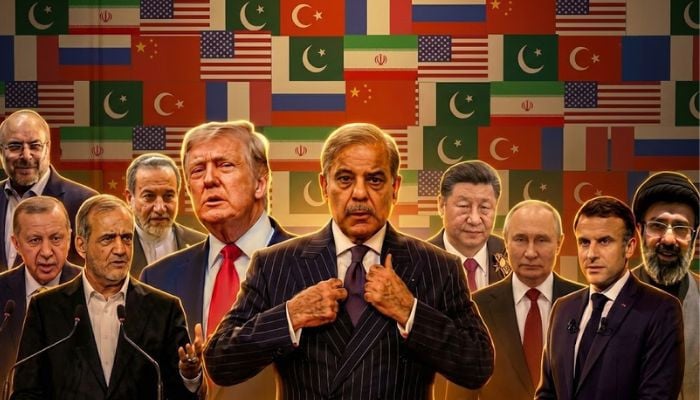
International reactions to Trump’s speech reflected differences among Western and allied governments. French President Emmanuel Macron and former German chancellor Olaf Scholz publicly warned against relying on military solutions and called for negotiated exits from the crisis.
At the same time, a UK-led diplomatic effort involving European and other partners, but not the United States, has started to take shape to explore alternative ways to reopen the Strait of Hormuz. China, meanwhile, blamed the worsening crisis and disruption in the strait on US and Israeli actions and called for an immediate ceasefire.
Economic pressure grows
Gulf states were also reassessing their strategic position amid concern that a conflict increasingly viewed as externally driven was creating outsized economic and security risks for them.
The economic impact deepened after Trump’s speech. Oil prices rose sharply and maritime insurance costs increased as the Strait of Hormuz remained effectively contested. This reinforced the view that economic disruption, rather than military outcomes alone, may prove decisive in shaping the course of the conflict.
Overall, the developments on day 34 pointed to a continued pattern of high-intensity attrition, with US and Israeli forces maintaining military pressure and Iran continuing to demonstrate the ability to impose costs, particularly through leverage over critical energy routes.
Comments
No comments yet. Be the first to join the discussion!