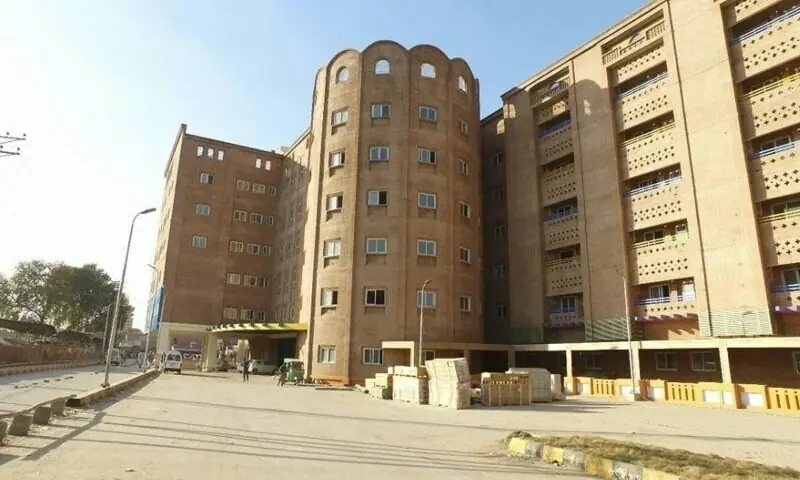
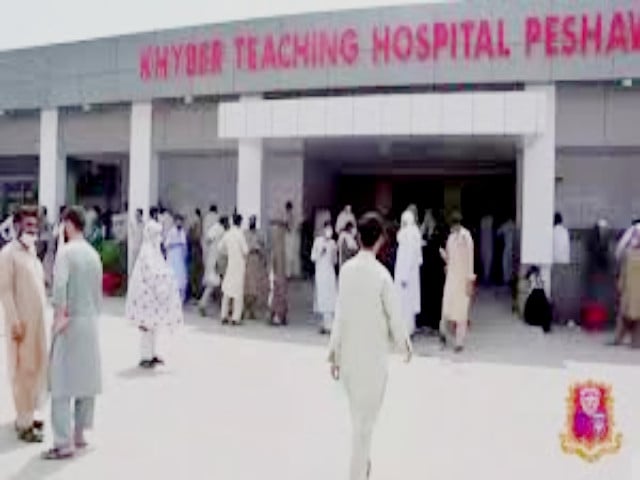
KP medical teaching institutions seek larger funding to improve care
Medical teaching institutions outside Peshawar say the proposed budget increase is insufficient to cover sharp rises in the cost of medicines, reagents and equipment. Officials say larger allocations are needed to improve diagnostics and reduce pressure on Peshawar hospitals.

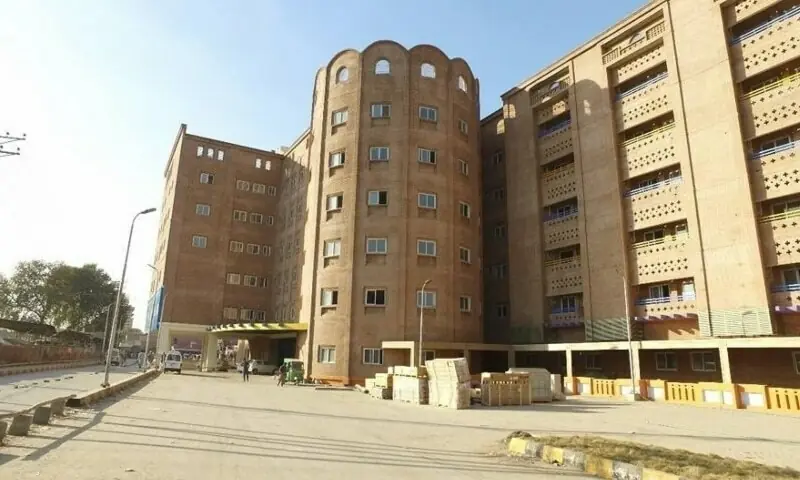
PESHAWAR: Medical teaching institutions (MTIs) outside Peshawar say the proposed increase in budget allocations for the current financial year will not be enough to meet rising costs of medicines, diagnostic supplies and major equipment needed to improve services.
The government’s proposed increase of around 10 to 15 per cent is seen as insufficient, particularly for the purchase of high-cost machinery such as MRI and CT scanners. A director of an MTI outside Peshawar said prices of medicines, reagents and equipment had risen by at least 50 per cent compared to the previous financial year, making it difficult to meet targets for better diagnostics and treatment.
The same official said directors of all MTIs had held meetings over the last two months with Health Minister Khaliqur Rehman and Health Secretary Shahidullah Khan to discuss institutional requirements in detail. He said that despite assurances given during those meetings, the budget announced by the government suggested that many of those needs would remain unmet.
Budget gap and rising costs
MTI Policy Board chairman Prof Nausherwan Burki told Dawn that the government had raised the overall budget from Rs65 billion in 2025-26 to Rs80 billion in 2026-26, but said the amount was still below what had been requested. He said allocations for individual MTIs had not yet been made.
Prof Burki said he believed the finance department had set aside about 20 to 25 per cent less than requested, though around 10 to 15 per cent more than the amount actually disbursed in the previous year. He added that he had expected a higher increase because of escalating prices of medicines and equipment. He also acknowledged discrepancies in last year’s allocations for MTIs outside Peshawar.
The Khyber Pakhtunkhwa Medical Teaching Institutions Reforms Act, enforced in 2015, has so far been extended to 11 hospitals and their affiliated colleges in the province. Officials from MTIs outside the provincial capital said additional support was needed to strengthen diagnostic and intensive care services there and reduce pressure on hospitals in Peshawar.
Equipment needs and regional concerns
One MTI director said the installation of new MRI or CT scanners would not be possible within the expected level of funding. He said the cost of an MRI scanner was about Rs800 million, while taxes of more than 20 per cent on purchases and the depreciation of the local currency had further increased the burden because the machines were imported in dollars.
The official said Peshawar-based MTIs were already receiving a larger share of the budget and also generated significant revenue through Sehat Card Plus and institution-based practice. He urged the provincial government to give greater attention this year to institutions outside Peshawar.
Saidu hospital cites pending issues
At Saidu Group of Teaching Hospitals Swat, which is the latest facility to receive MTI status, Board of Governors chairman Dr Amanullah Khan expressed hope that longstanding issues would be addressed once a one-line budgetary allocation was provided. He said the hospital also wanted to resolve matters that predated its conversion into an MTI, including the creation of 24 additional paid house job positions.
Dr Amanullah said the number of house job seats at the hospital has been increased from 96 to 120. He said 24 house officers had not received stipends for the past year, but had been assured that the full unpaid amount would be cleared soon. He added that the hospital had trained staff and that patient care could improve further as the administration worked to create a better working environment for employees.
Dr Amanullah said the devolved management structure under the MTI model allowed boards of governors to re-appropriate resources and prioritise spending according to institutional needs, helping them address longstanding operational problems more effectively.
Comments
No comments yet. Be the first to join the discussion!