June 20, 2026
Swiss talks planned as Israeli strikes test Lebanon ceasefire
US and Iranian officials are expected in Switzerland for talks linked to this week’s interim deal, but fresh Israeli strikes in southern Lebanon have put a new ceasefire under pressure. The truce in Lebanon is a key condition for starting 60 days of negotiations.

June 20, 2026
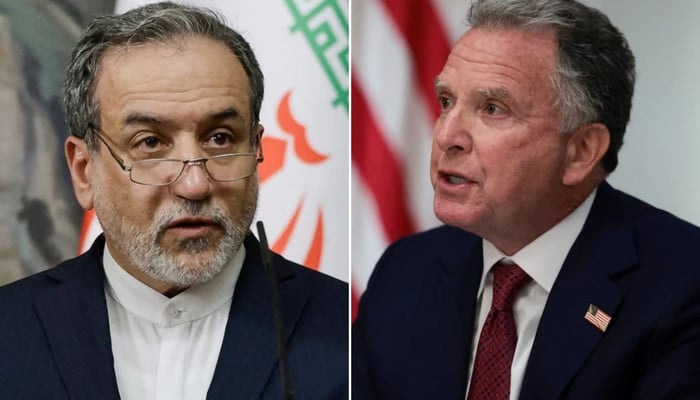
ISLAMABAD: US President Donald Trump’s envoy Steve Witkoff and Iranian Foreign Minister Abbas Araghchi were expected to travel to Switzerland for talks aimed at building on this week’s interim agreement, even as fresh Israeli strikes in southern Lebanon threatened a ceasefire linked to the wider diplomatic effort.
The planned meeting between Witkoff and Araghchi is part of an attempt to turn the 14-point interim accord reached this week into a broader and more durable regional arrangement. The deal is tied to efforts to end the war launched by the United States and Israel on February 28 and to address disputes over Iran’s nuclear programme and other issues.
Witkoff was heading to Switzerland to join Jared Kushner, Trump’s son-in-law, who was already there, while Araghchi was due to arrive on Saturday. The White House did not respond to questions about Witkoff’s travel, and Iran had not confirmed Araghchi’s plans.
Ceasefire in Lebanon comes under strain
A senior US official said the ceasefire in Lebanon took effect at about 4pm local time on Friday after an exchange of fire. Two Hezbollah sources and a senior Israeli official also confirmed the truce.
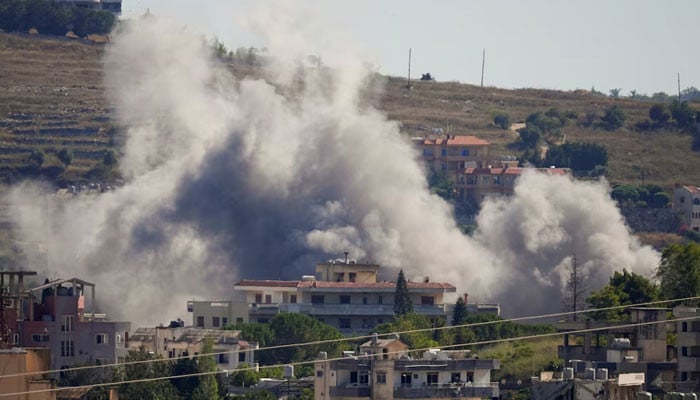
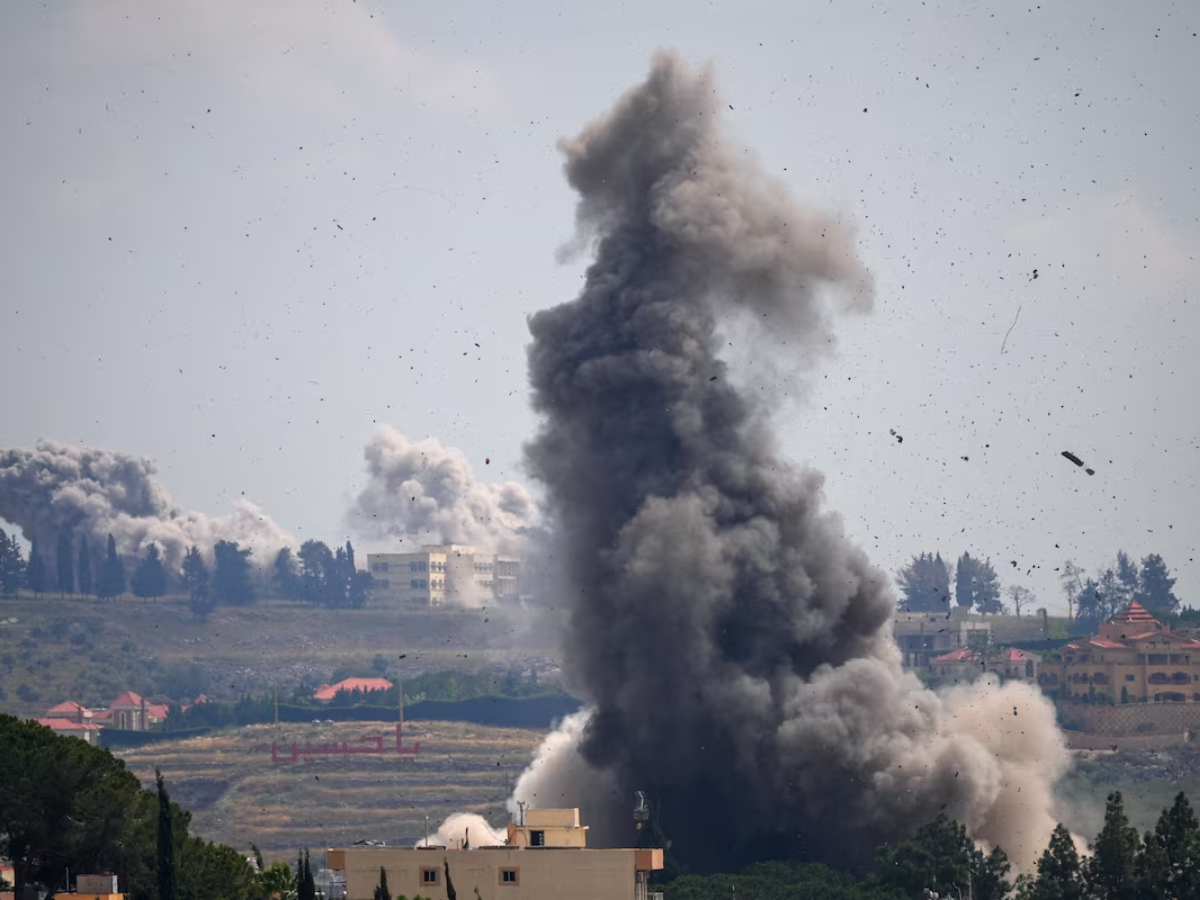
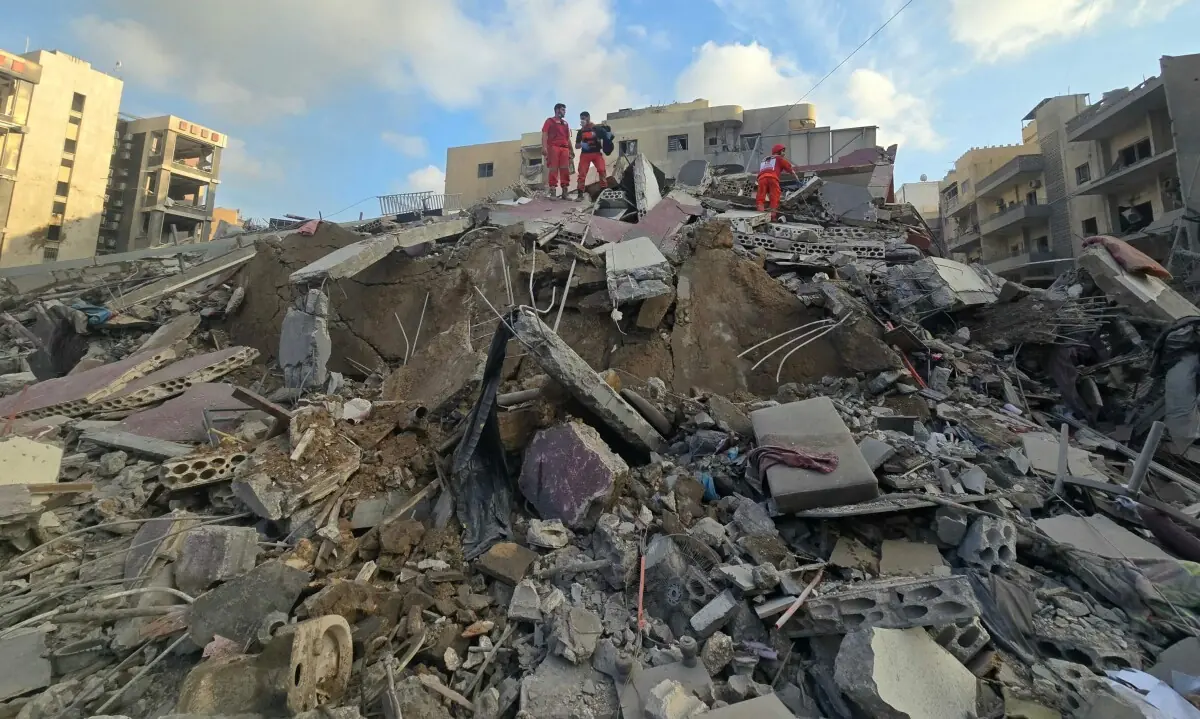
However, Lebanese state media reported that Israeli air strikes and drone attacks killed at least five people in the south on Saturday. Lebanon’s state news agency NNA said Israeli warplanes and drones carried out repeated strikes across the Nabatieh area overnight and into Saturday morning, demolishing residential buildings. It also reported artillery shelling in Nabatieh and nearby areas before dawn.
Israel did not immediately comment on the NNA account.
The halt in fighting in Lebanon is described as a condition for launching 60 days of US-Iran talks. Wednesday’s interim agreement requires the United States, Iran and their allies to declare an immediate and permanent end to military operations on all fronts, including Lebanon. Israel, which was not part of the talks, has said it is not bound by the agreement.
Diplomatic efforts continue
Vice President JD Vance had cancelled plans on Thursday to travel to the Swiss resort of Buergenstock, despite advanced preparations for technical discussions, as tensions between Israel and Hezbollah intensified. Switzerland’s foreign ministry said it remained ready to facilitate the talks and that preparatory work was continuing.
In a telephone call with Pakistan’s foreign minister on Friday, Araghchi said the United States would be responsible for any breach of its commitments under the interim deal, including the commitment to stop the fighting in Lebanon, according to Iran’s foreign ministry.
Before the latest strikes, US Secretary of State Marco Rubio and Lebanese President Joseph Aoun had discussed holding Israel-Lebanon negotiations in Washington from Tuesday to Thursday, the US State Department said. The Lebanese presidency said a comprehensive ceasefire was a basic pillar for those talks.
War toll and economic stakes
The conflict has killed at least 7,000 people, most of them in Iran and Lebanon. It has also driven up energy prices and added to global inflation pressures.
Brent crude fell around 8% over the week, while shipping through the Strait of Hormuz increased after the interim agreement was signed. Before Iran blockaded the waterway during the war, the strait handled nearly a fifth of global crude oil and liquefied natural gas supplies.
The body set up by Iran to manage the strait said on Friday it would waive planned fees during the interim deal’s negotiation period. The agreement also envisages sanctions relief for Iran, the release of assets worth tens of billions of dollars, immediate US waivers for Iranian oil exports, and a $300-billion reconstruction fund for Iran along with other financial incentives.
Trump defended the agreement again after criticism in Washington, including from some fellow Republicans in Congress who have questioned whether too much was conceded to end a war that was unpopular with many Americans ahead of November’s midterm elections. In a social media post on Friday, Trump wrote "The War has diminished Iran!"
He added “We didn’t meet out of desperation, Iran did. They are FINISHED! We’ll play out the 60 days. They get no money, not 10 cents!”.
0 Comments
No comments yet. Be the first to join the discussion!