June 19, 2026
US-Iran Switzerland talks called off as Israeli strikes kill 15 in south Lebanon
Planned US-Iran talks in Switzerland were cancelled after JD Vance dropped his trip, while Israeli strikes killed at least 15 people in southern Lebanon. The developments added to uncertainty around implementation of the Islamabad MoU.

June 19, 2026
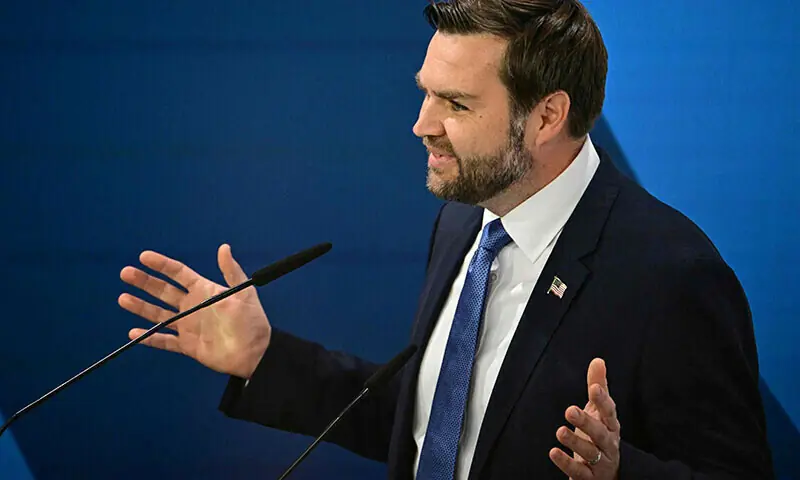
ISLAMABAD: Planned US-Iran talks in Switzerland were called off on Friday after US Vice President JD Vance withdrew from a proposed trip, while Israeli strikes in southern Lebanon killed at least 15 people, according to Lebanon's National News Agency.
A White House spokesperson said Vance would not leave for Switzerland on Thursday night because logistical arrangements for the expected technical talks with Iran had not been settled. The spokesperson said the US delegation had been prepared to depart once the plans were finalised, adding that the process had never been simple or predictable.
Separately, Switzerland's foreign ministry said the meeting at Bürgenstock would not go ahead as scheduled. In a statement, the ministry said: "The discussion at Bürgenstock will not take place as planned today,"
The statement added: "Consequently, the meeting announced yesterday is cancelled."
Lebanon strikes
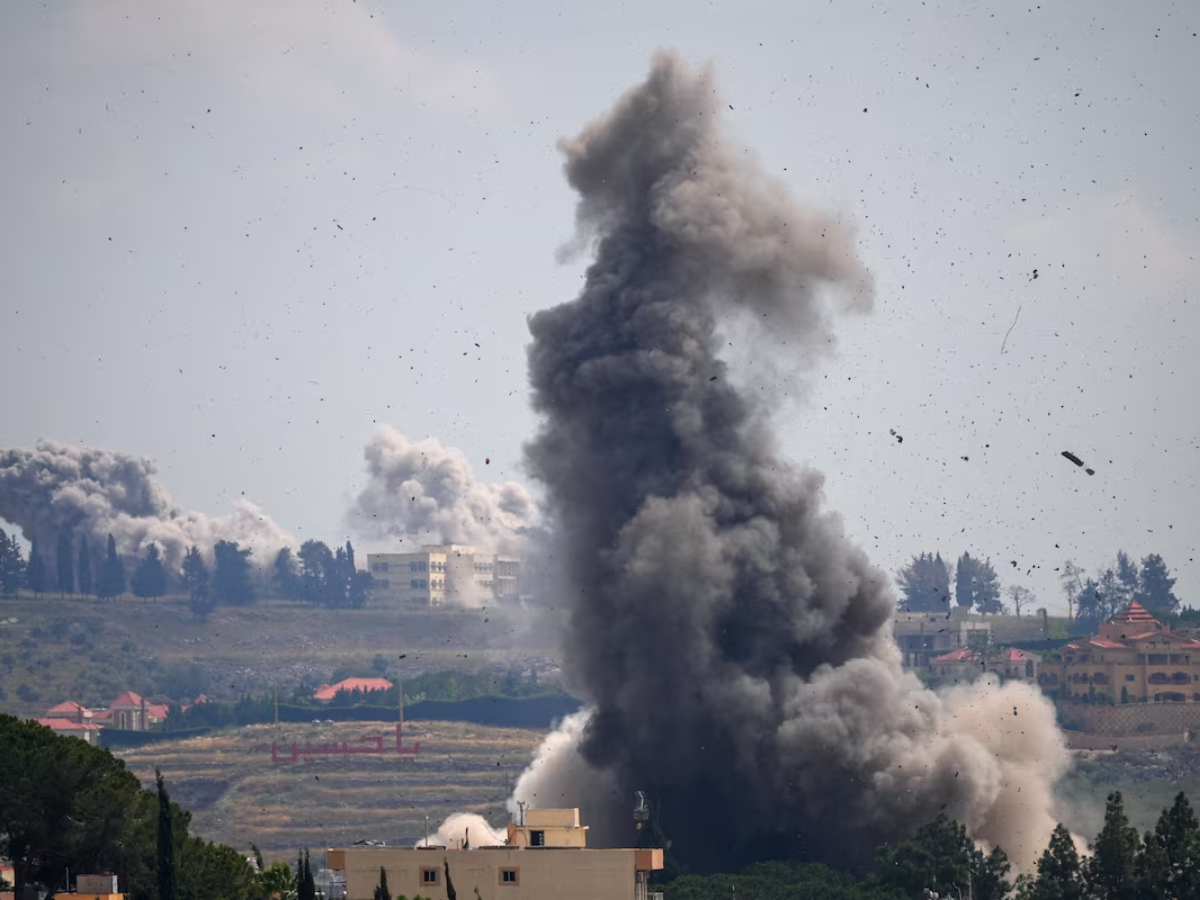
In southern Lebanon, the NNA said Israeli bombardment overnight was among the heaviest attacks on the area, with several homes struck after midnight. Artillery fire was reported in Nabatieh, Kfar Jouz, Kfar Reman and Zebdine, while air strikes also hit Kfar Tibnit and the Rayhan heights.
At least eight people were killed in Nabatieh and Harouf. Four others died in a strike on a house between Al-Sharqiya and Doueir, while an attack in Kfar Sir killed three people. Another Israeli drone strike on a motorcycle near the Doueir municipality building killed one person and wounded another.
The Israeli military said it was targeting Hezbollah positions and described the attacks as a response to ceasefire violations by Hezbollah.
Uncertainty over next steps
The cancelled talks followed the electronic signing on Wednesday of the Islamabad Memorandum of Understanding by US President Donald Trump and Iranian President Masoud Pezeshkian. Prime Minister Shehbaz Sharif also signed the document as mediator, and had said the agreement would lead to the immediate reopening of the Strait of Hormuz by Iran and the lifting of the US naval blockade.
US officials had indicated there would be a formal signing ceremony in Geneva, but Iran's foreign ministry questioned the need for that after the two presidents had already signed the agreement. Iran had said it was ready to begin technical talks after the ceasefire was extended by at least 60 days under the accord.
However, the semi-official Tasnim news agency said on Thursday that Iranian negotiators wanted evidence that the United States was implementing the interim agreement before any further peace talks. There was no confirmation that the Iranian delegation would travel to Geneva. There was no immediate response from the Iranian government after the White House announcement.
The uncertainty around the ceremony and talks added to questions over whether a durable truce could emerge from a war that has killed at least 7,000 people, driven up energy prices and unsettled global markets.
Terms of the memorandum
The memorandum provides 60 days for negotiations on Iran's nuclear programme unless both sides agree to extend that period. It also establishes a $300 billion reconstruction fund for Iran and includes other financial incentives. Washington would also seek restrictions on Iran's long-range missiles.
Trump had previously stated he would only end the war with Iran's UNCONDITIONAL SURRENDER, but the agreement instead offers sanctions relief, unfreezes assets worth tens of billions of dollars and grants immediate waivers for Iranian oil exports.
Iran's Supreme Leader Ayatollah Mojtaba Khamenei said Trump had signed the deal out of desperation and indicated that future nuclear talks would be difficult. In a written message, he said: "If the American side wants to be too demanding, we will not accept it,"
Iran reaffirmed its longstanding position that it would not acquire or develop nuclear weapons. It also agreed to onsite down blending of its highly enriched uranium stockpile and inspections by the International Atomic Energy Agency as a member of the Non-Proliferation Treaty, while rejecting Trump's demand that the material be removed from the country.
US officials said negotiations could still produce a strong nuclear agreement that would go beyond the 2015 accord Trump abandoned during his first term. But critics argued that Iran now held a stronger position after enduring the war, maintaining influence over the Strait of Hormuz and securing sanctions waivers.
Iran had said it would continue to control Hormuz jointly with Oman and intended to charge ships for services introduced after the war, though it said no fees would be imposed during the 60-day negotiating period.
On Lebanon, Trump expected a complete ceasefire on all fronts. The agreement calls for the permanent termination of the war in Lebanon and for the country's territorial integrity and sovereignty to be ensured. However, Israel has said it does not plan to withdraw from Lebanon and has released a new map showing an expanded occupation zone.
0 Comments
No comments yet. Be the first to join the discussion!