Vance leaves Islamabad as US-Iran talks collapse after 21 hours
US Vice President JD Vance leaves Islamabad after nearly 21 hours of negotiations with Iran end without a deal. Washington says Iran rejected US red lines on nuclear commitments and other issues.


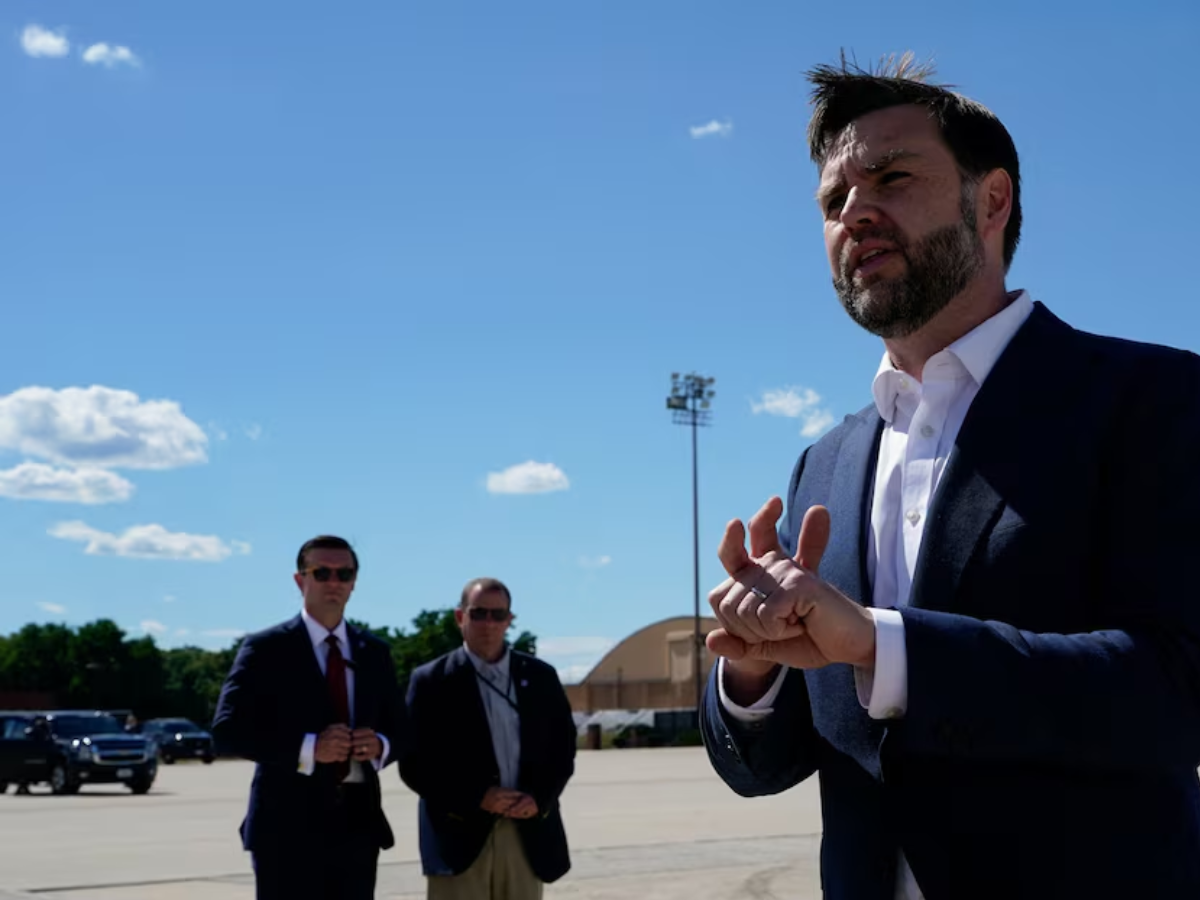
ISLAMABAD: US Vice President JD Vance departed Islamabad on Sunday after high-level talks between the United States and Iran concluded without an agreement, following nearly 21 hours of continuous negotiations.
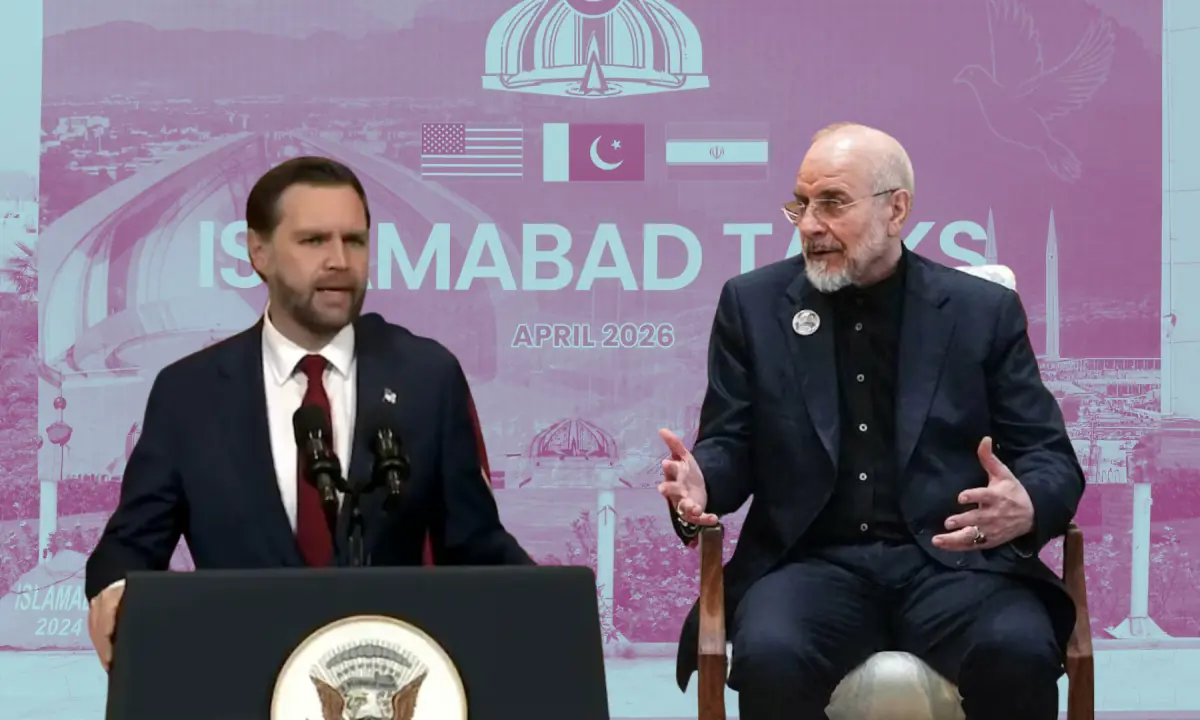
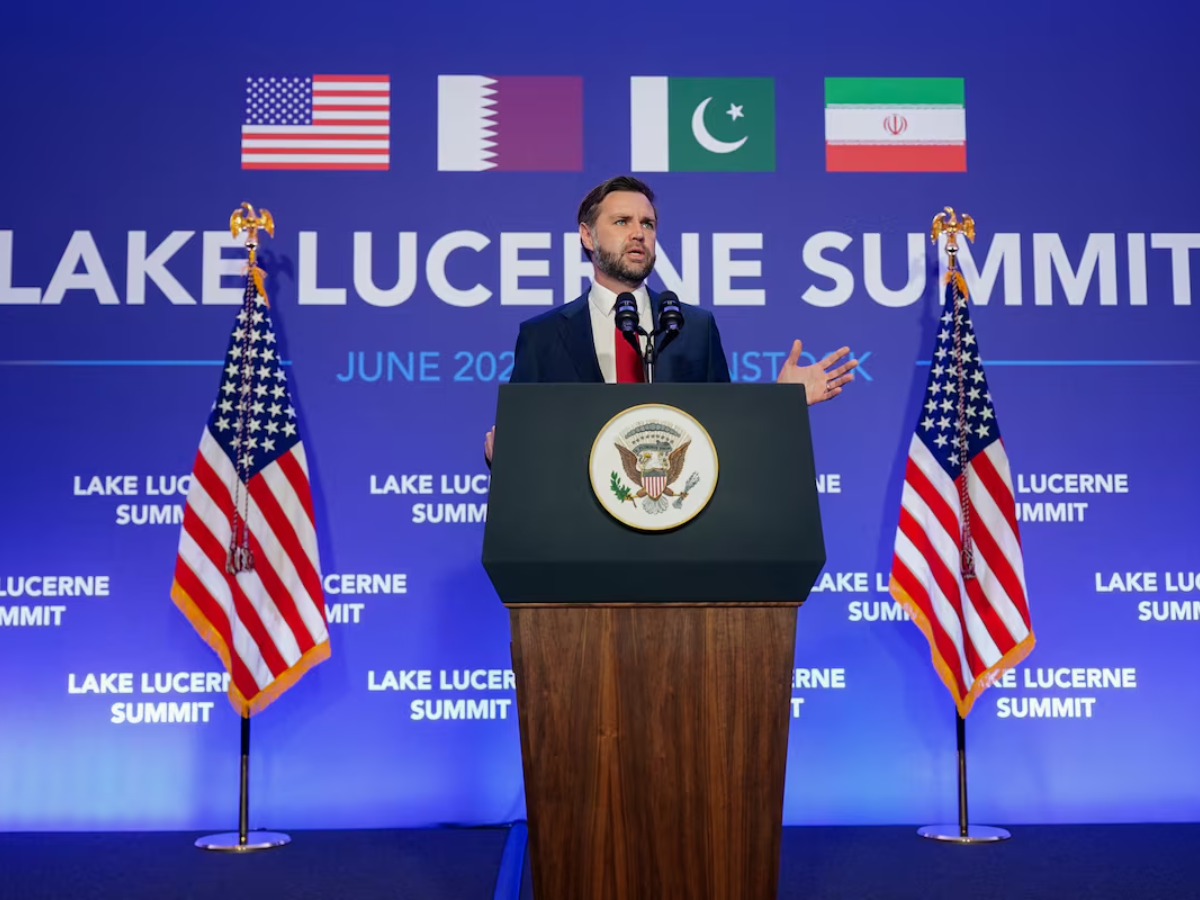
According to a pool report, Vance left shortly after addressing a press conference at the venue of the trilateral “Islamabad talks”, which had begun on Saturday afternoon and stretched into a marathon diplomatic effort.
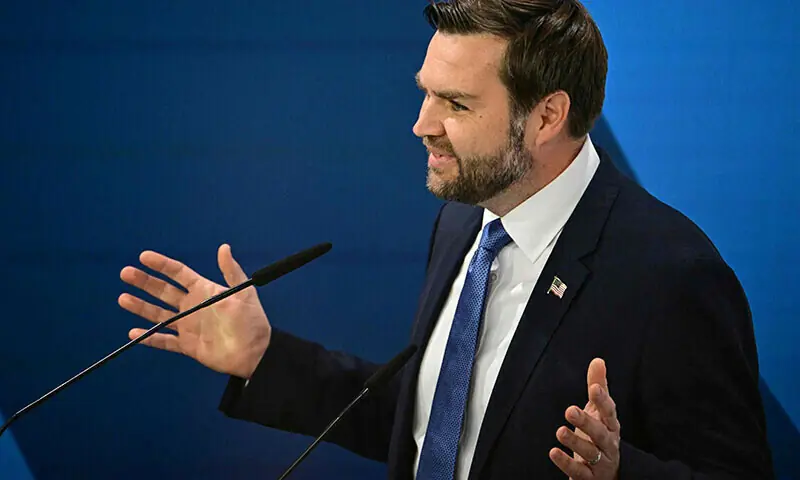
“We have been at it now for 21 hours, and we have had a number of substantive discussions, that’s the good news,” Vance said. “The bad news is that we have not reached an agreement.”
He stated that the United States had clearly communicated its red lines during the discussions, outlining areas where it was prepared to show flexibility and others where it would not compromise. However, he said, the Iranian delegation chose not to accept those terms.
“We have made very clear what our red lines are, what things we are willing to accommodate them on and what things we are not willing to accommodate them on,” he said, adding that Tehran did not agree to the US position.
When asked to elaborate on the sticking points, Vance declined to disclose specifics, saying he did not want to negotiate publicly after extensive private discussions. He stressed that Washington’s primary objective remained securing a clear and lasting commitment from Iran that it would not pursue nuclear weapons or develop the capability to rapidly produce them.
“That’s the core goal of the US president, and that’s what we have tried to achieve through these negotiations,” he said, referring to Donald Trump.
Vance added that while Iran’s nuclear enrichment facilities had been “destroyed”, the key question for the United States was whether Tehran was willing to make a long-term commitment against pursuing nuclear weapons. “We haven’t seen that yet, we hope that we will,” he said.
Responding to a question about Iranian frozen assets, he confirmed that the issue had been discussed along with several others, but said the talks failed to produce an outcome acceptable to Washington.
“We talked about all those issues, and we talked about a number of issues beyond that. And so, certainly those things came up. But again, we just could not get to a situation where the Iranians were willing to accept our terms,” he said.
Vance maintained that the US delegation had approached the negotiations in good faith and remained “quite flexible” and “accommodating” throughout. He said Donald Trump had instructed the team to make every effort to reach a deal.
“We did that. And unfortunately, we were unable to make any headway,” he said.
He also noted that the delegation remained in constant communication with Washington during the talks. “We were constantly communicating with the team because we were negotiating in good faith,” he said, adding that the United States was leaving behind what he described as a “final and best offer” for Iran to consider.
Despite the deadlock, Vance praised Pakistan’s role in facilitating the talks, appreciating Prime Minister Shehbaz Sharif and Chief of Army Staff Asim Munir for their efforts. He said any shortcomings in the negotiations were not due to the Pakistani side, which he described as having made sincere attempts to bridge the gap between the two delegations.
Meanwhile, Iran’s Foreign Ministry spokesperson Esmaeil Baqaei said it had been a “busy and long day” for the Iranian delegation in Islamabad, with numerous messages and texts exchanged between the two sides.
He said discussions over the past 24 hours covered multiple aspects of the negotiations, including the Strait of Hormuz, the nuclear issue, war reparations, sanctions relief, and a complete end to hostilities against Iran and in the wider region.
Baqaei said the success of the diplomatic process depended on the seriousness and good faith of the opposing side, as well as recognition of Iran’s legitimate rights and avoidance of what he termed excessive and unlawful demands.
He also thanked the government and people of Pakistan for hosting the talks and facilitating the process.
The negotiations, which began on Saturday afternoon, were held in three sessions, during which expert teams from both sides exchanged written proposals after each round. Iranian officials said the talks had moved into an “expert-level stage”, involving economic, military, legal and nuclear committees.
The discussions took place during a two-week ceasefire in the US-Israeli conflict with Iran, which had escalated across the Middle East before being paused following diplomatic efforts led by Pakistan earlier this month.
The US delegation was led by Vance and included Jared Kushner and Steve Witkoff, while the Iranian side was headed by Parliament Speaker Mohammad Bagher Ghalibaf and Foreign Minister Abbas Araghchi, along with other senior officials.
In a statement, Iranian President Masoud Pezeshkian said the delegation remained committed to safeguarding the country’s interests and expressed hope that it would negotiate with resolve, adding that the government would stand by its people regardless of the outcome.
Ahead of the talks, Prime Minister Shehbaz Sharif held separate meetings with both delegations, reaffirming Pakistan’s commitment to facilitating dialogue and supporting efforts aimed at achieving a peaceful resolution. Senior Pakistani officials, including Deputy Prime Minister Ishaq Dar and Interior Minister Mohsin Naqvi, were also present during the engagements.
The negotiations had faced challenges even before they began, with Iran initially linking its participation to a halt in Israeli strikes in Lebanon and the release of frozen assets. Disagreements over the scope of the ceasefire, particularly whether it extended to Lebanon, continued to cast a shadow over the talks.
At the core of the deadlock were fundamental differences between the two sides. The United States pushed for strict curbs on Iran’s nuclear programme, while Iran demanded sanctions relief, recognition of its nuclear rights, and access to frozen funds. Issues related to the Strait of Hormuz, regional tensions and sequencing of commitments further complicated the discussions.
Officials and analysts had earlier cautioned that the complexity of the issues made an immediate breakthrough unlikely, and the outcome of the Islamabad talks reflected those challenges, with both sides ending the first round without an agreement.
1 Comment
No comments yet. Be the first to join the discussion!