Iran’s senior-level participation led US to confirm Vance for Islamabad talks
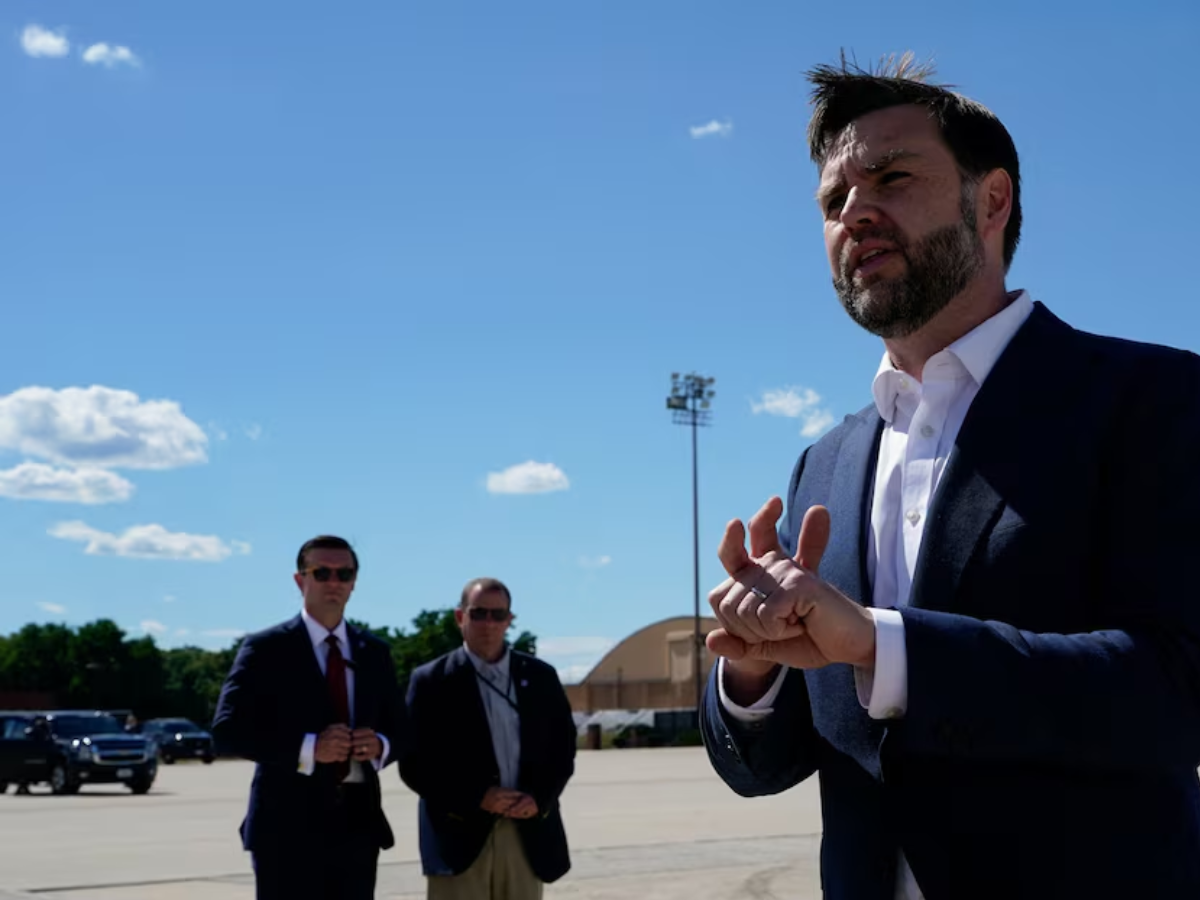
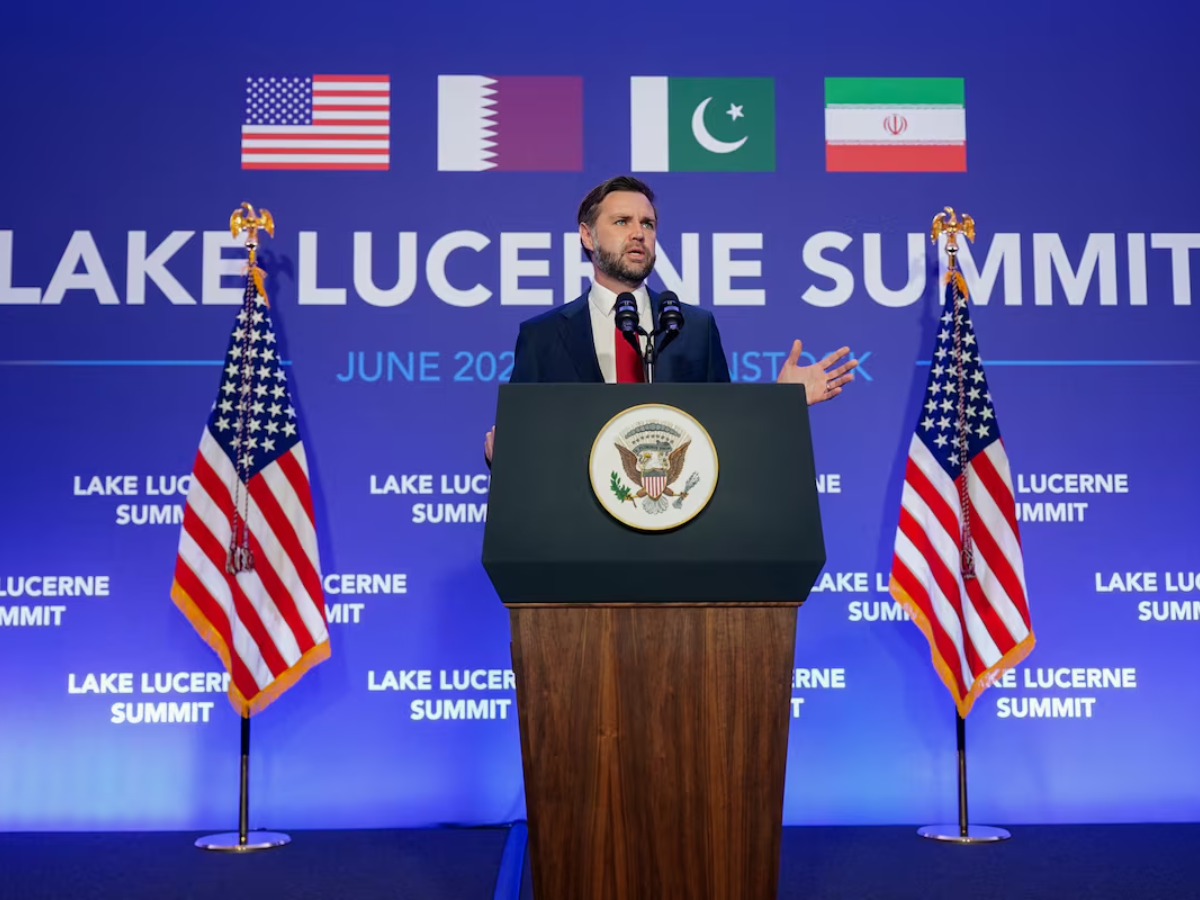
The White House confirmed JD Vance will lead the US team in Islamabad after Iran agreed to send a senior delegation headed by Mohammad Bagher Ghalibaf. The first round of talks is scheduled for Saturday morning local time.

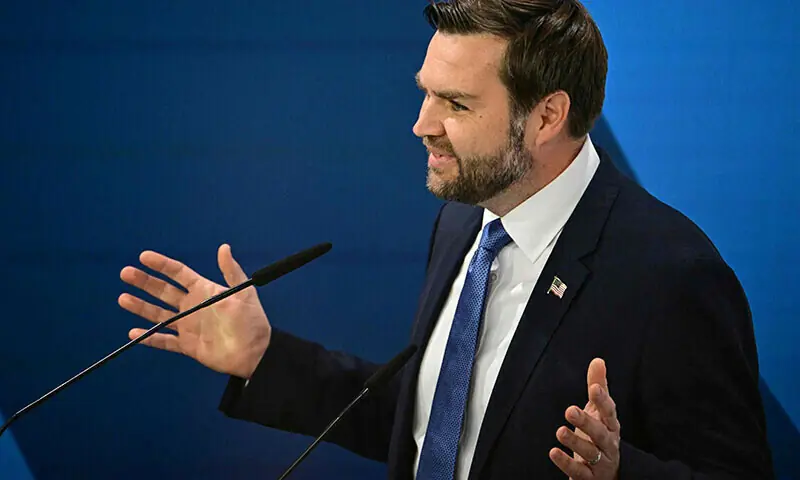
WASHINGTON: The White House’s decision to confirm US Vice President JD Vance’s participation in talks in Islamabad followed Iran’s agreement to send a senior delegation, a development that raised the importance of the negotiations, according to a report by Dawn.
Earlier on Wednesday, US President Donald Trump told The New York Post that Vance might not travel to Islamabad for talks with Iran because of security concerns, and said other senior aides could represent the administration instead. Later the same day, White House Press Secretary Karoline Leavitt announced that Vance would lead the US team after all.
According to Leavitt, Vance will be joined by Special Envoy Steve Witkoff and Jared Kushner, with the opening round of talks set for Saturday morning local time. She presented the move as a sign of the administration’s commitment to direct engagement with Iran on the issue.
The main factor behind the change was not simply security considerations but confirmation that Tehran would also send a high-level team. Iran’s delegation is to be led by Parliament Speaker Mohammad Bagher Ghalibaf. Pakistani and Iranian sources also identified Foreign Minister Abbas Araghchi as a key member of the Iranian side, indicating Tehran’s seriousness about the diplomatic effort.
Iran’s delegation
Ghalibaf has taken on a more prominent role after a concerted assassination campaign that removed many of Iran’s best-known figures. A former Revolutionary Guards commander, Tehran mayor, national police chief and presidential candidate, he is described as a figure who connects Iran’s political, security and clerical establishments.
Ghalibaf has long been seen as close to Supreme Leader Ayatollah Khamenei and to his son Mojtaba. He has been among the leading voices taking a hard line against Israel and the United States. At the same time, he has also developed a reputation as a moderniser and pragmatist who can work across Iran’s competing power centres.
His ability to communicate with both Revolutionary Guards commanders and the clerical leadership was cited as a key reason for his selection to head Iran’s delegation in Islamabad. His appointment, reflects Tehran’s intention to engage seriously while maintaining both firmness and flexibility in negotiations with Washington.
Pakistan’s mediation efforts
Pakistan’s mediation effort had appeared to face difficulties amid reports of continued setbacks and mixed signals from Tehran. However, sustained diplomatic contacts from Islamabad, including intensive overnight exchanges involving senior Pakistani, Iranian and US representatives, helped preserve the ceasefire framework.
With the talks nearing, attention is focused on whether Iran’s decision to engage directly through Ghalibaf and Araghchi can help produce a durable agreement, and whether the US decision to send its vice president will improve the chances of a lasting ceasefire.
Comments
No comments yet. Be the first to join the discussion!