June 22, 2026
Vance says Iran has agreed to allow nuclear inspectors
US Vice President JD Vance says Iran has agreed to allow nuclear inspectors and establish mechanisms for frozen assets and ceasefire management. Technical talks with IAEA could begin as soon as this week.

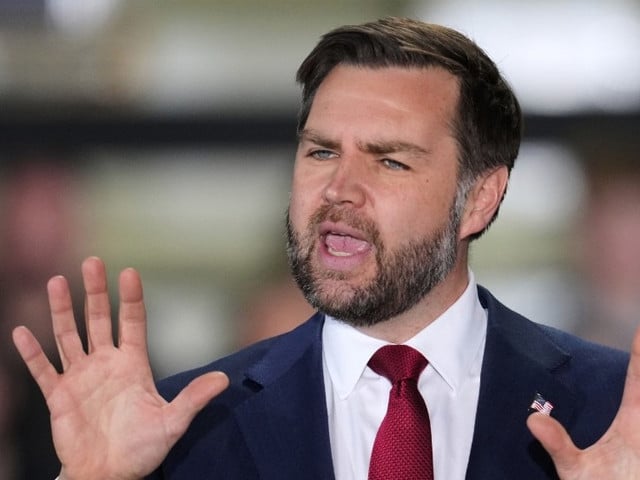
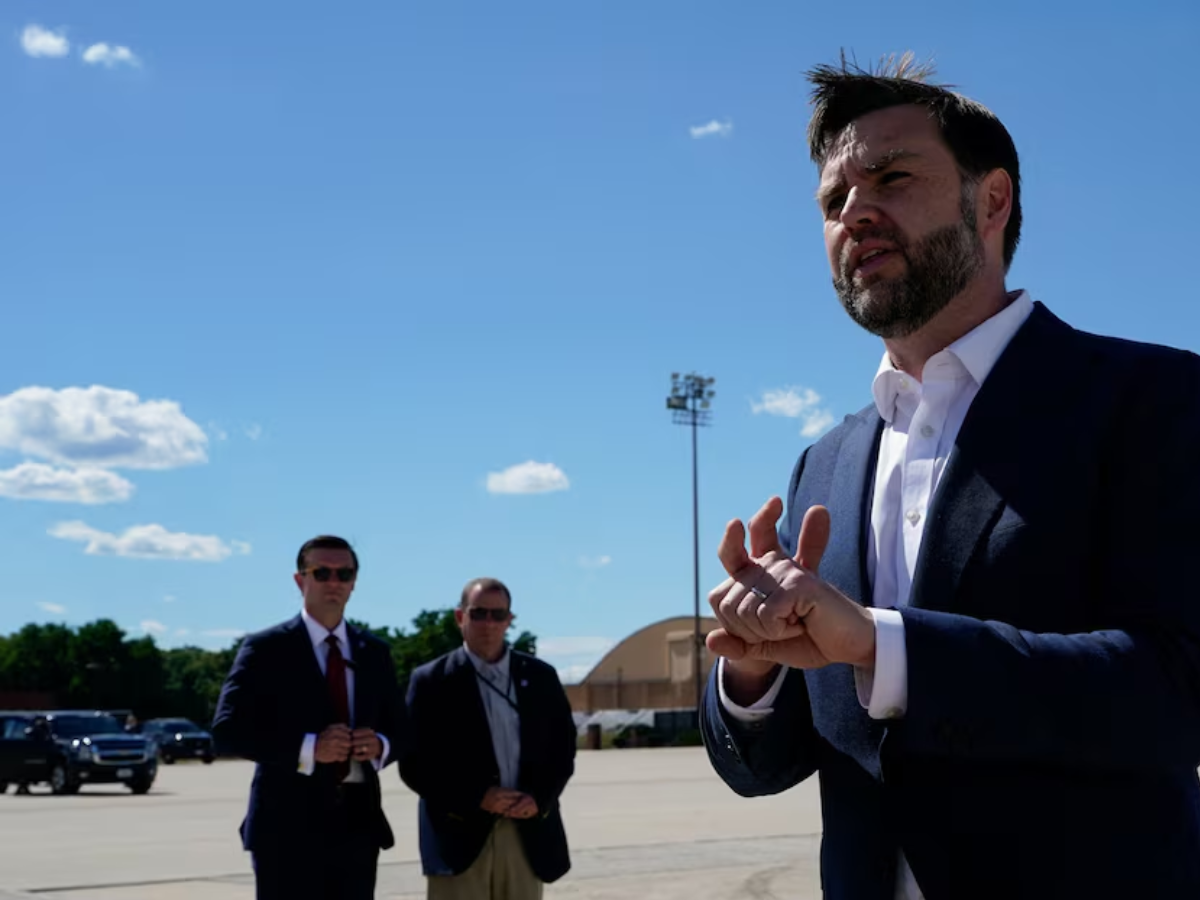
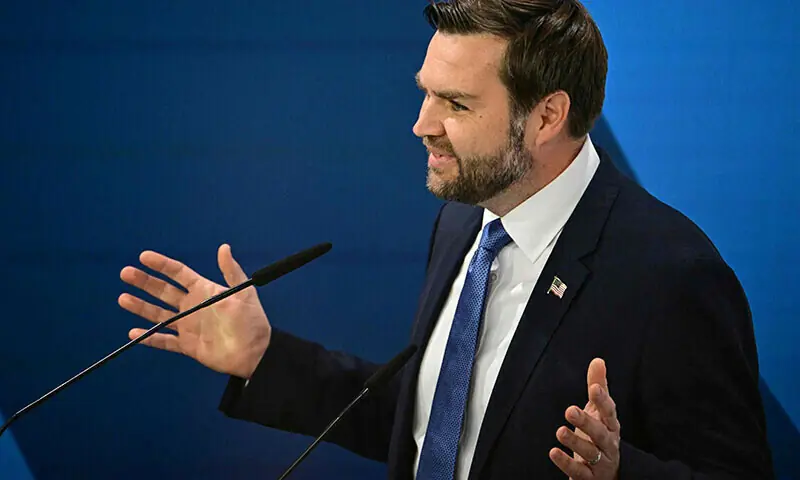
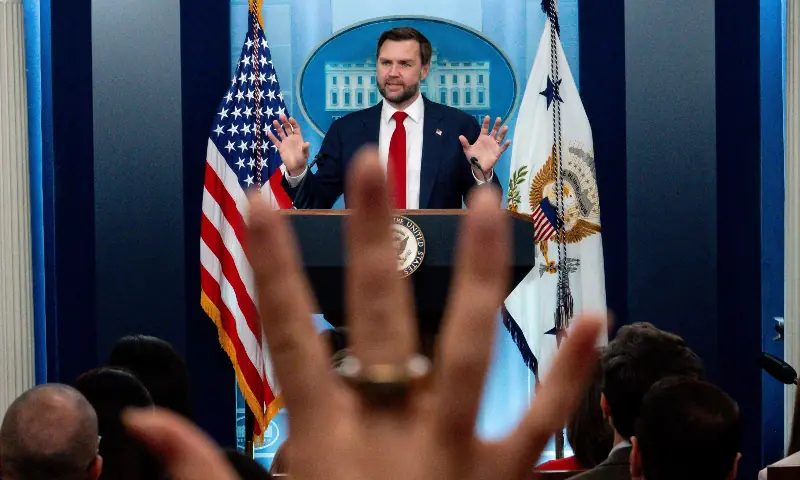
BURGENSTOCK: The US Vice President JD Vance said on Monday that progress has been made in talks with Iran, with Tehran agreeing to allow nuclear inspectors and establish mechanisms to handle its frozen assets and manage ceasefires.
Speaking after talks in Switzerland, Vance also cited a mechanism to keep the Strait of Hormuz open, with technical talks set to continue in the days and weeks to come.
Conversations over nuclear inspections in Iran could start as soon as this week, he said.
Vance added that the Iranian delegation “threatened to walk out” during the talks, or “at least there were social media threats that they would walk out”, but said that the negotiations went well past 1am last night, according to Al Jazeera.
“So they didn’t walk out, and their technical team is still here in Burgenstock working with our technical team,” the US vice president told reporters.
“What we told the Iranians yesterday is, ‘When you guys exchange in what us millennials might call trash talk, you can’t expect the president of the United States not to respond and not to correct the record.”
He concluded his response by saying there was “a little bit of threatening” and “whining but at the end of the day, the talks continued, and we made great progress”.
Vance also said that IAEA nuclear inspectors are set to return to Iran to verify its compliance with the preliminary agreement, according to Al Jazeera.
“Our hope is that we get to the final deal and a permanent settlement. But right now, I think we’ve made great progress and we should all celebrate that in terms of when the nuclear inspectors are going to start,” Vance told reporters.
The US vice president said he phoned UN nuclear inspectors at 2am last night to let them know the developments, however, no one picked up the call.
“As you can expect, not many people are answering their phone at two in the morning,” said Vance. “I expect that will happen at the minimum this week, but we think even some of those conversations with the inspectors and with the IAEA could happen as soon as today.”
He also touched on the issue of Iran’s frozen funds, as per Al Jazeera.
“We wanted to make sure that we set up a process where if, if we ever unfreeze Iranian assets, we can ensure that that that Iranian money goes to help the people of Iran and not to fund terrorism,” he told reporters.
“Jared Kushner actually came up with a very interesting solution with the Qataris, where basically – again if – there is any frozen Iranian assets that are unfrozen, then we have approval over that process, the Qataris have approval over that process, and then the money would actually go to buy to buy American sorn, American corn and American wheat for the benefit of the Iranian people.”
Iran says held 'brief discussion' with US on nuclear issue
Iran said Monday it held a "brief discussion" with the United States on its nuclear program during talks in Switzerland, but insisted negotiations on the issue had not begun.
"One of the points raised by the American delegation was the presentation of its positions regarding the nuclear issue," foreign ministry spokesman Esmaeil Baghaei said.
"A very brief discussion took place regarding the nuclear issue, but there was no discussion of details, and it cannot be said that negotiations on the nuclear issue have begun," he added.
Iran says ‘important steps’ agreed for final-deal negotiations following Switzerland talks
Iran said on Monday that “important steps” were agreed during talks in Switzerland to pave the way for negotiations on a final agreement with the US, state news agency IRNA reported.
Speaking after intensive four-party talks in Burgenstock, Switzerland, Foreign Ministry spokesman Esmaeil Baghaei said: “In general, important steps were agreed upon to pave the way for the start of negotiations related to the final agreement.”
“We hope that in implementation, we will witness seriousness from the other side (US),” he added.
Baghaei said one key outcome of the talks was an agreement to establish a new monitoring mechanism, described as a “deconfliction cell,” with the participation of mediators to oversee the continuation of the ceasefire and halt in hostilities, particularly in Lebanon.
He added that the sides also exchanged important messages regarding provisions related to issuing the necessary licenses for Iranian oil sales and the release of Iran’s frozen or restricted assets, saying progress had been made on both issues.
Baghaei added that discussions addressed the safe passage of ships through the Strait of Hormuz, with the parties agreeing to establish a mechanism aimed at ensuring maritime security in the strategic waterway.
“Technical teams will continue their work on the issues I mentioned and other issues necessary for the effective implementation of this memorandum of understanding,” he said.
Israeli Cabinet minister rejects ceasefire, says Lebanon ‘should be Israel’s playground’
Israeli National Security Minister Itamar Ben-Gvir called Monday for rejecting any ceasefire agreement in Lebanon, saying the Arab country “should be Israel's playground.”
“Israel cannot agree to a ceasefire in Lebanon,” the extremist minister told Israel’s public broadcaster KAN in an interview.
He urged Prime Minister Benjamin Netanyahu to convey Israel’s rejection of any ceasefire in Lebanon to US President Donald Trump.
“Trump is a true friend, and we must treat him politely and embrace him, but we need to tell him that we cannot agree to a ceasefire in Lebanon,” Ben-Gvir said.
“We are the ones making decisions, and there are good results for our soldiers,” he added.
His opposition comes amid growing disputes within Israeli political and security circles over a memorandum of understanding between the US and Iran and their possible implications for ending the war on the Lebanese front.
Israel and Lebanon are set to hold a fifth round of direct negotiations in Washington on Tuesday. The upcoming talks follow four previous rounds between the two sides that began in April as part of a track aimed at ending the Israeli war in Lebanon.
The US-mediated negotiations come as criticism grows inside Israel over Washington’s handling of talks with Iran and Hezbollah.
The Israeli news site i24NEWS, citing Israeli officials, said Tel Aviv fears that an agreement between the US and Iran could strengthen Tehran and its allies in the region.
The officials claimed the Trump administration and its negotiating team “misunderstands the ideology driving Tehran and Hezbollah.”
“Trump doesn’t speak Shia,” they said, in reference to what they claim is a failure to understand the nature of Iran’s system and Hezbollah.
0 Comments
No comments yet. Be the first to join the discussion!