June 22, 2026
PPP's Amjad Hussain elected unopposed as Gilgit-Baltistan chief minister
PPP leader Amjad Hussain won unopposed as Gilgit-Baltistan’s fifth chief minister, backed by a coalition with PML-N and IPP after June 7 elections.
June 22, 2026

-- Coalition backing from PML-N and IPP clears path for formation of new government
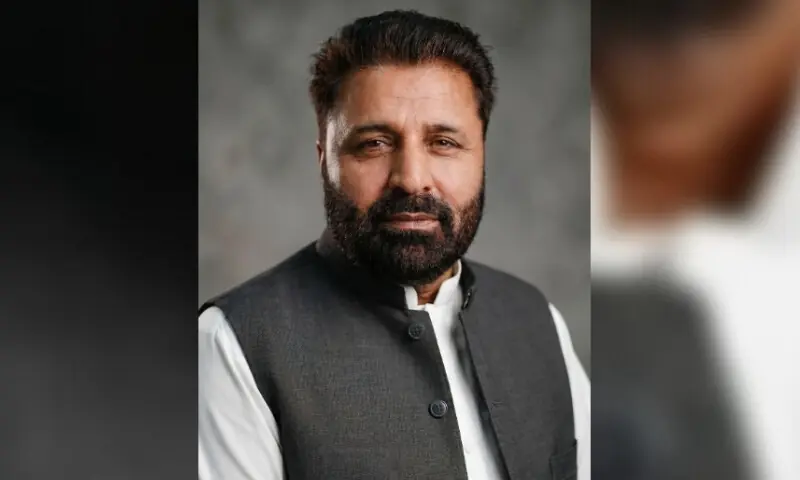
GILGIT: Pakistan Peoples Party (PPP) leader Advocate Amjad Hussain was elected unopposed as the fifth Chief Minister of Gilgit-Baltistan on Monday, completing the formation of a coalition-backed government in the region following the June 7 elections.
Amjad Hussain secured the office after no other candidate submitted nomination papers within the stipulated time, paving the way for his unanimous election by the Gilgit-Baltistan Assembly.
The newly elected chief minister represents the GBA-1 constituency and currently serves as President of the PPP’s Gilgit-Baltistan chapter.
Assembly elects speaker, deputy speaker unopposed
The election of the chief minister came hours after the assembly elected Imran Nadeem of the PPP as Speaker and Malik Kifayat ur Rehman of the Pakistan Muslim League-Nawaz (PML-N) as Deputy Speaker.
Both candidates were returned unopposed after no rival nominations were filed for the respective offices.
The smooth election process reflected the political understanding reached among the major parties following the Gilgit-Baltistan polls.
Members of the assembly and political leaders congratulated the newly elected office-bearers, expressing confidence that they would uphold democratic traditions and ensure the effective functioning of the legislature.
Earlier in the day, the newly elected members of the Gilgit-Baltistan Assembly took oath during the inaugural session of the house.
The oath was administered by the outgoing speaker, formally marking the beginning of the new parliamentary term and setting the stage for the election of key constitutional offices.
The successful completion of the assembly’s first session is being viewed as an important milestone in the democratic process of the region.
The elections held on June 7 resulted in the PPP emerging as the largest political party in the assembly.
According to the final composition of the house, the PPP secured 13 seats, while the PML-N won nine seats. The Istehkam-e-Pakistan Party (IPP) obtained six seats, whereas Majlis Wahdat-e-Muslimeen (MWM) and a PTI-backed independent candidate secured one seat each.
The results necessitated political cooperation among parties to ensure a stable government and smooth legislative functioning.
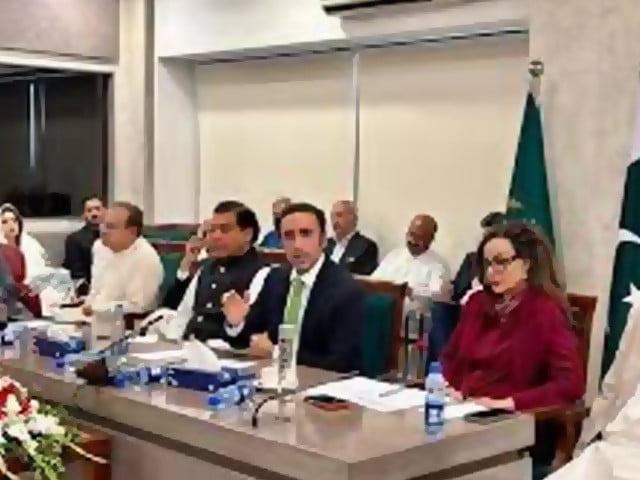
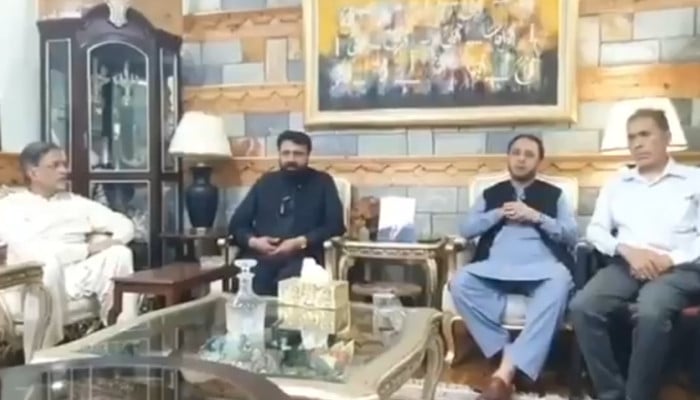
Following post-election consultations, the PPP announced that it would form the government with the support of the PML-N and the IPP.
Both allied parties extended their backing to the PPP’s candidates for the offices of chief minister, speaker and deputy speaker, ensuring their unopposed election.
Political observers view the coalition arrangement as an effort to promote stability, strengthen governance and accelerate development initiatives in Gilgit-Baltistan.
With the election of the chief minister and other key office-bearers now complete, the new administration is expected to focus on governance reforms, infrastructure development, public service delivery and addressing the socio-economic challenges facing the region.
The formation of the coalition government marks the beginning of a new political chapter in Gilgit-Baltistan, with expectations of greater cooperation among the major political stakeholders to advance the region’s development agenda.
0 Comments
No comments yet. Be the first to join the discussion!