June 16, 2026
No funds without compliance, says Vance
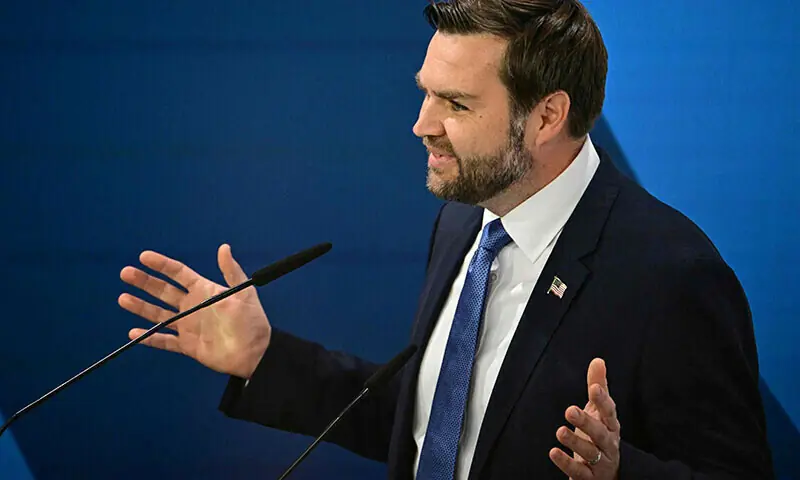
US Vice President JD Vance said Iran will not receive sanctions relief or frozen assets merely for signing the framework agreement. He said any economic benefit depends on verified action on uranium stockpiles and inspections.
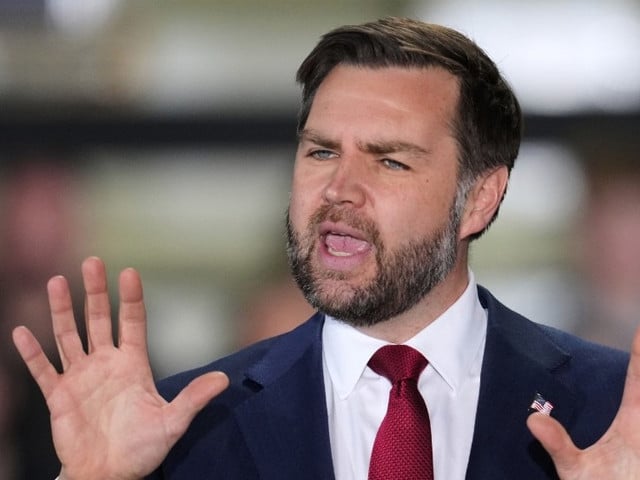
WASHINGTON: US Vice President JD Vance said on Monday that Iran would not receive any funds simply for signing a framework agreement aimed at ending the war and reopening the Strait of Hormuz, insisting that any sanctions relief or access to frozen assets would depend on Tehran meeting strict nuclear commitments.
Speaking in separate television interviews, Vance sought to clarify the terms of the emerging accord ahead of a formal signing ceremony expected in Switzerland on Friday. He said the memorandum of understanding had already been digitally signed on Sunday but stressed that no financial benefits had been granted to Iran.
"There's been no money released, and that won't change," Vance said during an appearance on ABC's 'Good Morning America'. He added that any future economic relief would be tied to verifiable Iranian actions, particularly regarding its nuclear programme.
According to Vance, Tehran would need to eliminate its stockpile of highly enriched uranium and accept a robust international inspection regime before sanctions relief could be considered. "If we see the Iranians taking action to eliminate their stockpile of enriched material, then yes, sanctions relief will follow," he said.
"If we see the Iranians taking action to allow the kind of verification regime that we need to see to know that they're not going to build a nuclear weapon, yes, sanctions relief will follow." He added that failure to comply with inspection requirements would prevent Iran from accessing resources. Vance also said the text of the framework agreement would be released later this week, allowing the public to examine the details of the arrangement.
In a separate interview with CNBC, the vice president said Washington expected the Strait of Hormuz - one of the world's most important energy transit routes - to remain open without tolls under the agreement. "Our expectation is that the Strait is going to be opened in a toll-free way for the long term," he said, while acknowledging that significant technical issues remained unresolved.
He noted that negotiators would spend the coming weeks working through details of the arrangement, including practical mechanisms for implementation. He said Iran's foreign minister and parliament speaker would represent Tehran at Friday's signing ceremony in Switzerland, while discussions continue on the final details of the accord. He did not specify who would sign on behalf of the United States.
The framework is expected to launch a broader negotiating process aimed at converting the initial understanding into a comprehensive peace agreement, with nuclear restrictions, sanctions relief and maritime security likely to dominate the next phase of talks.
0 Comments
No comments yet. Be the first to join the discussion!