


Trump’s shadow war against China
The article argues Trump’s actions form a strategic energy campaign under “America First,” aiming to counter China’s rise via US oil dominance and pressure on alternative supply routes.
May 10, 2026
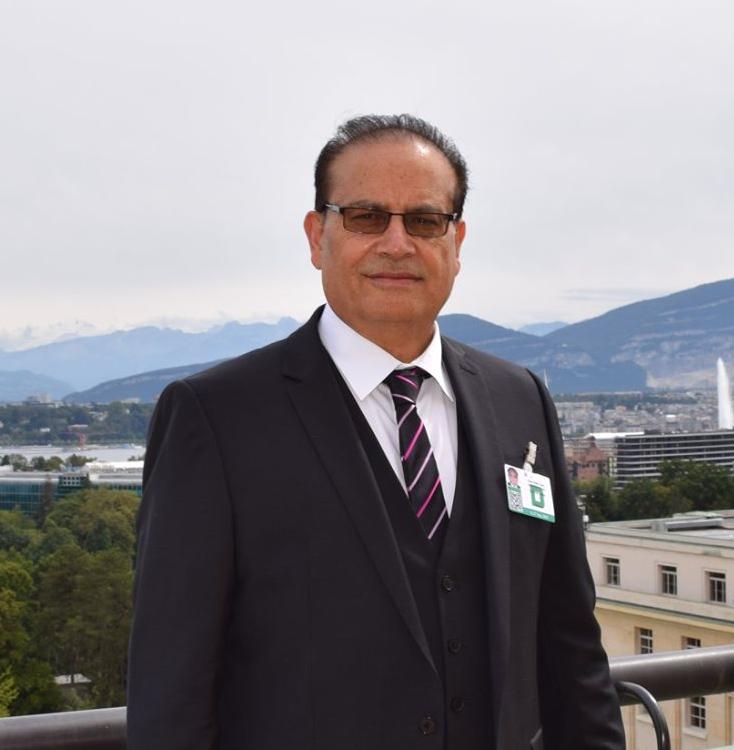
The writer retired as Press Secretary the President, and is former Press Minister at Embassy of Pakistan to France and former MD, Shalimar Recording & Broadcasting Company Limited
The article argues Trump’s actions form a strategic energy campaign under “America First,” aiming to counter China’s rise via US oil dominance and pressure on alternative supply routes.

Trump’s temporary halt of “Project Freedom” signaled diplomacy’s payoff after months of Hormuz escalation. Pakistan helped keep channels open with Tehran, easing market fears and preventing wider war.

As war reshapes Middle East energy strategy, Israel hints at building a pipeline to move Gulf oil via its territory, reducing reliance on the Strait of Hormuz and altering global flows.

Military superiority is undermined by asymmetric tactics, economic strength is vulnerable to supply chain disruptions and energy shocks, and information control has been democratized by digital platforms.

As official talks push ceasefire language, the USA and Iran prepare for intensified fighting. Iran rejects a reported 15-point US framework, while Israel targets Iranian infrastructure.

Gunfire near the White House Correspondents’ Dinner on April 25, 2026 prompted swift Secret Service evacuations and a suspect arrest. The incident underscores mounting domestic vulnerability amid a wider Iran and energy-stakes standoff.

A new geopolitical view challenges the usual narrative of an Israel–USA fight against Iran. The analysis argues Israel gains strategically while the USA pays militarily, economically, and diplomatically—while Iran endures.

The April 2026 Iran war disrupted Strait of Hormuz supply routes, choking Middle East exports and rerouting tankers to US ports. Within weeks, US oil and gas exports doubled—and in some regions tripled—driving a historic LNG and crude surge.

Europe signals strategic independence as Washington strikes Iran without full consultation. After Hormuz closes, Starmer and Macron convene a 35+ country summit excluding the US to restore safe navigation and energy stability.

With U.S.-Iran ceasefire talks uncertain, Pakistan keeps diplomacy alive—hosting talks in Islamabad and engaging Tehran. Analysts say successful mediation could avert losses up to the low trillions.

Trump’s decision to impose a naval blockade on Iran via the Strait of Hormuz is collapsing a fragile pause and raising legal questions under maritime law. The Pope challenges the war’s moral basis as allies split and diplomacy is urged.

US-Iran direct negotiations in Islamabad end in deadlock after 21 hours. The Strait of Hormuz, nuclear red lines, and regional pressures leave no agreement—diplomacy pauses, not resolves.