








ISLAMABAD: Pakistan’s final nationwide anti-polio vaccination campaign of 2025 did not achieve full coverage, with official figures showing that hundreds of thousands of children were left without vaccination during the drive conducted in December.
According to official data cited by media reports, the campaign reached 98.6 per cent of its intended target. As a result, around 872,000 children were not administered polio drops during the seven-day drive, which ran from December 15 to 21.
Officials said the largest proportion of missed children were those who were not available at the time vaccination teams visited their homes. Data shows that more than 669,000 children fell into this category. In addition, security-related constraints and local boycotts accounted for nearly 149,000 missed children, while parents of around 54,000 children declined vaccination.
Health authorities noted that no national or sub-national polio campaign conducted during 2025 succeeded in achieving complete coverage, despite repeated efforts to improve planning and field implementation.
Provincial figures indicate that Punjab recorded the highest number of missed children, with about 331,000 not vaccinated during the December campaign. Khyber Pakhtunkhwa followed with approximately 250,000 children missing polio drops. In Sindh, nearly 239,000 children were not vaccinated, while Balochistan reported more than 43,000 missed cases.
In the federal capital, Islamabad, officials reported that around 6,000 children were not reached. Gilgit-Baltistan recorded 3,026 missed children, while 1,272 children were not vaccinated in Azad Jammu and Kashmir.
Data also points to continued challenges related to vaccine refusal. Sindh reported nearly 33,000 cases where parents declined vaccination for their children, while more than 21,000 refusal cases were recorded in Khyber Pakhtunkhwa. Health officials have repeatedly identified vaccine hesitancy as a key obstacle in achieving full coverage, particularly in urban centres and certain high-risk districts.
District-level data shows uneven performance across the country. Vaccination coverage remained below 95 per cent in eight districts, while 111 districts achieved coverage ranging between 95 and 100 per cent. Officials said districts falling below the 95 per cent threshold remain a concern for the national eradication programme, as low coverage increases the risk of virus circulation.
The December campaign followed another nationwide drive held in October, which also failed to meet its targets. That campaign, conducted from October 13 to 19, aimed to vaccinate more than 45 million children across the country. However, official figures showed that more than 1.09 million children were missed during that drive.
Of those missed in October, more than 721,000 children were reported as unavailable when vaccination teams arrived, while over 53,000 cases of parental refusal were recorded. Health officials acknowledged that the October campaign faced operational and access-related challenges in several areas.
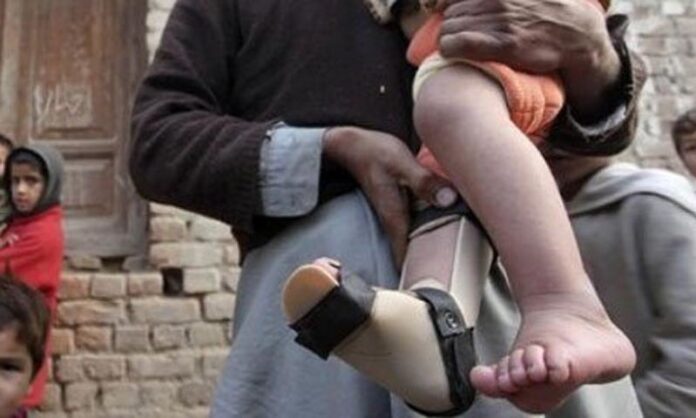
Pakistan remains one of only two countries in the world where polio is still endemic. Authorities have repeatedly stressed that sustained high coverage during vaccination campaigns is essential to interrupt virus transmission.
Officials associated with the polio eradication programme said efforts are continuing to address operational gaps, strengthen community engagement and improve access in areas affected by security or mobility issues. They also said data from recent campaigns will be reviewed to refine strategies ahead of future drives.
Health authorities have urged parents to ensure their children receive polio drops during every campaign, warning that missed vaccinations can undermine national eradication efforts and prolong the presence of the virus.