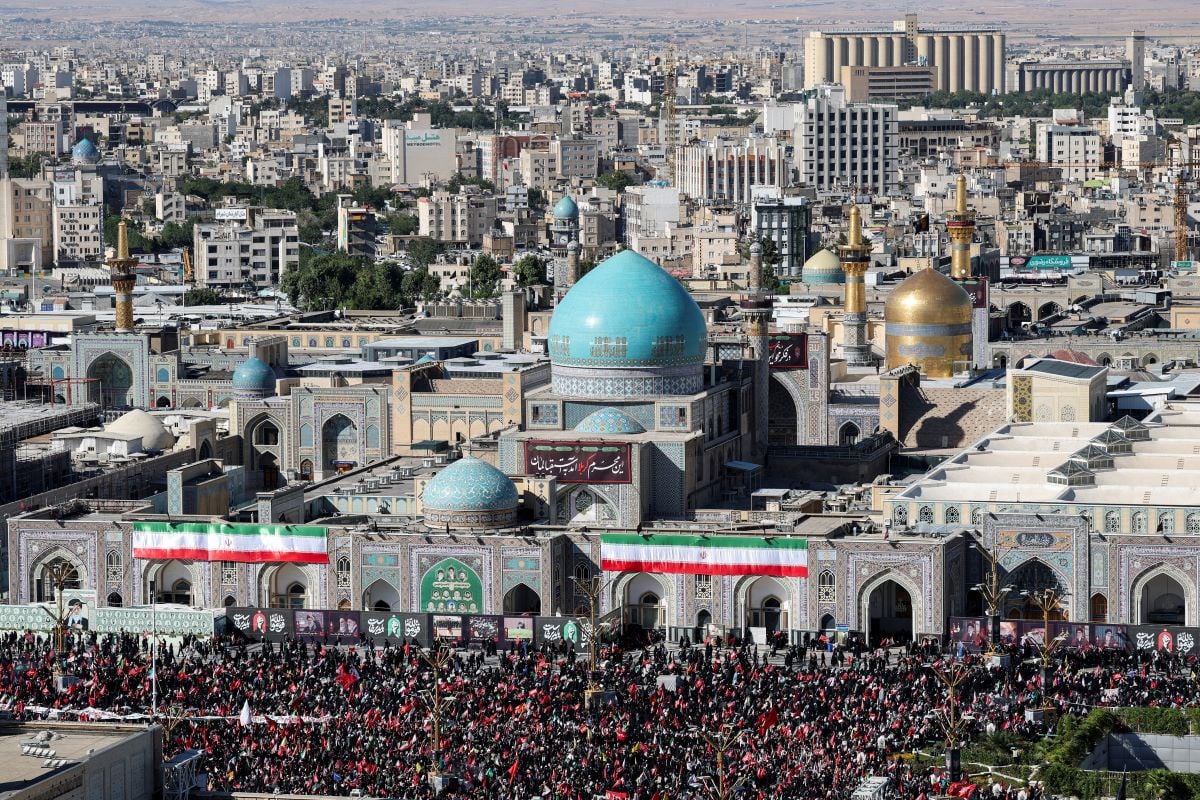
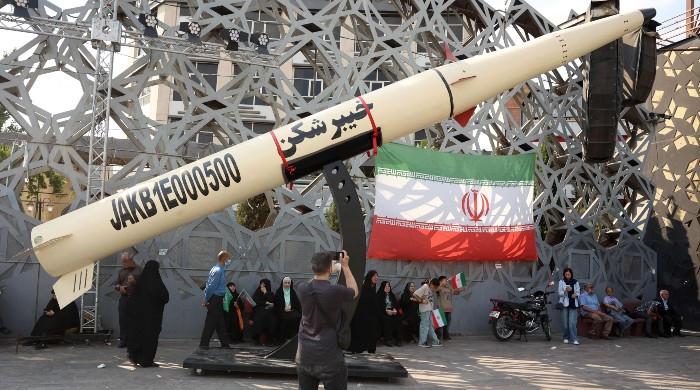
Iran steps up attacks on Gulf states after seventh night of US strikes
Iran launched renewed attacks on Gulf states after a seventh straight night of US strikes on Iranian military sites. Kuwait reported damage to a desalination plant, while Iranian media said infrastructure in southern Iran was also hit.

TEHRAN: Iran carried out fresh attacks on Gulf states allied with Washington on Saturday after a seventh consecutive night of US strikes on Iranian military targets, including logistics facilities, as fighting intensified a week after a ceasefire collapsed.
Kuwait faced sustained attacks, with a desalination plant struck and operations at Kuwait International Airport halted because of repeated missile and drone threats. Iran's Islamic Revolutionary Guard Corps said it had hit a US military support centre at Camp Arifjan and destroyed a radar site at Ali Al Salem Air Base in Kuwait. Iranian state media also reported that the IRGC targeted a site in Bahrain where US combat aircraft were assembled at Sheikh Isa Air Base, along with an intelligence data centre.
The Guards further said that in an early Saturday missile and drone attack on the US base in Al Azraq, Jordan, at least two US fighter aircraft and three other aircraft were destroyed, according to Iranian state television. Reuters said it could not independently verify those claims.
In a statement, the IRGC warned that further attacks could follow and said US allies in the region should expect more strikes.
"Since there is no international institution to prevent the savagery of the US military, we have no path before us except the Quranic command: ‘Whoever attacks you, attack them in the same manner,’"On Friday, both sides also targeted shipping. The United States said it was enforcing a naval blockade, while Iran said it had acted against vessels that violated its navigation rules in the Strait of Hormuz, through which one-fifth of the world's oil supply passes. Oil prices rose more than 4% on Friday to their highest level in over a month, adding political pressure on US President Donald Trump as Republicans seek to retain power in November congressional elections.
Infrastructure damage in Iran and Kuwait
Iranian and regional civilian infrastructure came under further attack. Iranian media, citing a local official, said several missiles hit power facilities and desalination pumps in the southern city of Jask on Saturday. Tasnim news agency reported that about 10,000 people in 20 villages were left without water.
Kuwait's Electricity, Water and Renewable Energy Ministry said a power generation and water desalination plant was hit in an Iranian attack. It was the second strike on Kuwaiti desalination sites in two days.
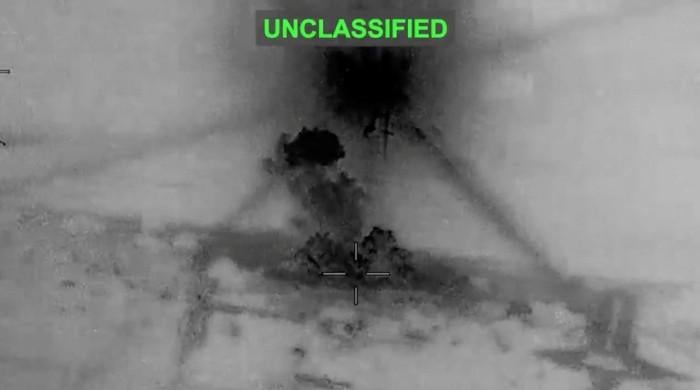
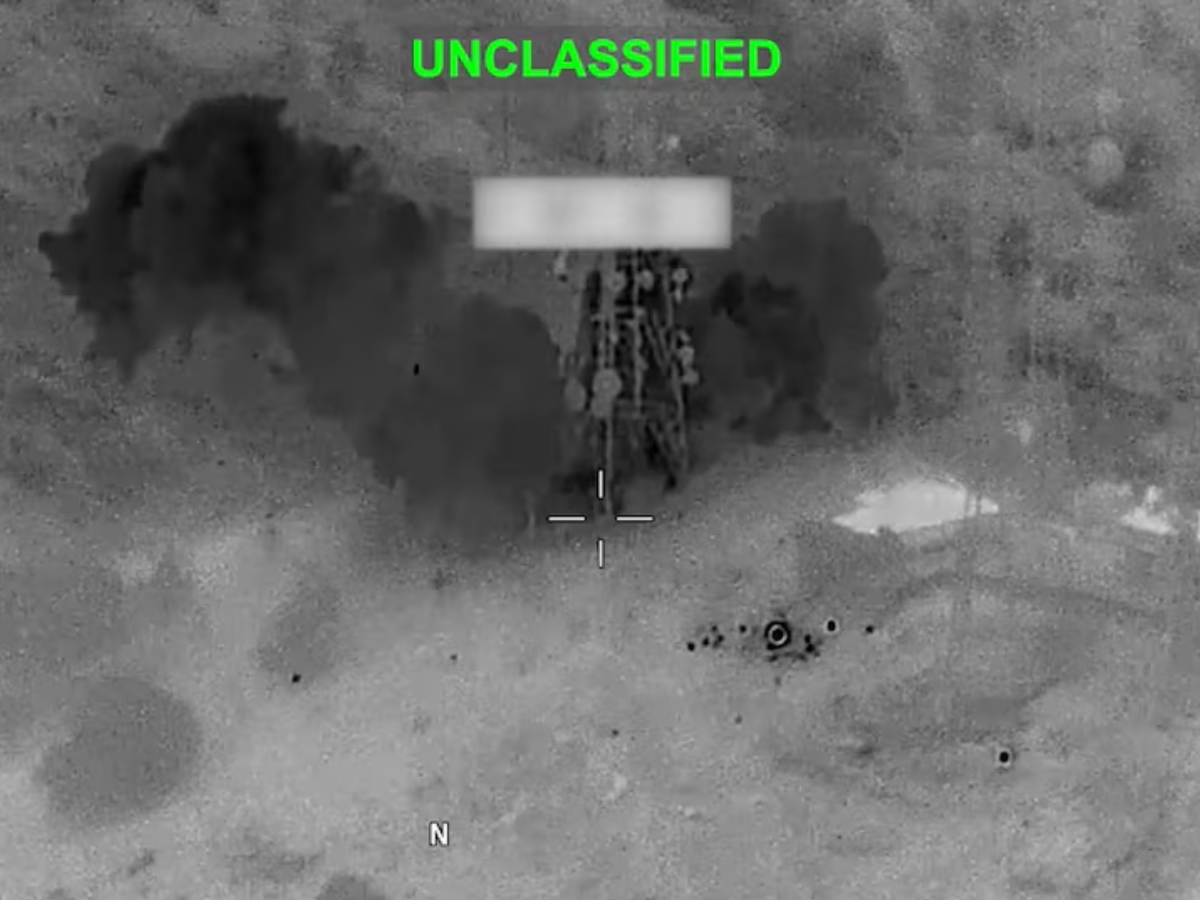
The US military's Central Command said it had completed its seventh straight day of strikes by targeting Iranian surveillance sites, military logistics infrastructure, underground weapons storage and maritime capabilities.
UN concern over escalation
UN Secretary-General Antonio Guterres was concerned about the worsening conflict, especially attacks on civilian infrastructure in Iran and elsewhere in the region, according to his spokesperson on Friday.
Iranian media reported strikes early on Saturday in Hormozgan Province on the Strait of Hormuz. State television said three people were killed and eight were wounded, while two bridges and a road tunnel were damaged. A day earlier, Iranian state media said US strikes had hit at least five bridges in southern Iran.
Seven people were reported killed in attacks on bridges in the southern port of Bandar Khamir, where a railway station was also hit. Further east, an airport in Iranshahr was also reported struck.
Trump has threatened broad air strikes on Iranian infrastructure and has not ruled out a ground assault on Iran's coast or islands. US officials have said attacks on southern Iran are intended in part to preserve military options for the US president. Such moves risk provoking Iranian attacks on Gulf infrastructure or further disruption to energy supplies through actions by Tehran's allies in Yemen against Red Sea shipping.
Comments
No comments yet. Be the first to join the discussion!