Iran, US exchange fresh strikes as both accuse each other of truce breaches
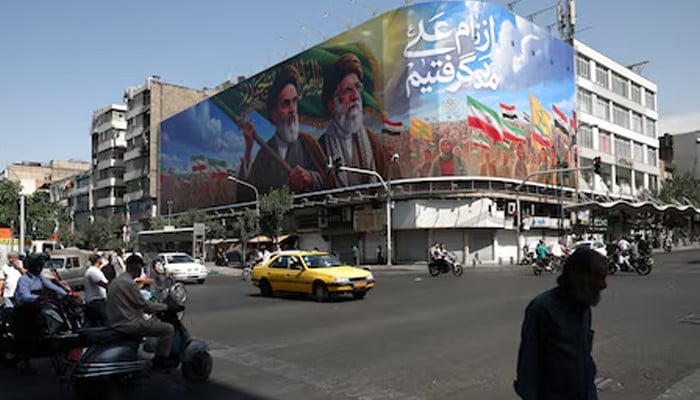
Iran and the US carried out fresh strikes in the Gulf while accusing each other of violating a Pakistan-brokered interim truce. The flare-up also coincided with new tensions over Lebanon and shipping through the Strait of Hormuz.


TEHRAN: Iran and the United States carried out fresh attacks in the Gulf as both sides accused the other of violating an interim arrangement reached less than two weeks ago to stop their four-month conflict.
Iran said on Sunday it had launched a third straight day of retaliatory strikes after US attacks on Iranian territory, while both governments blamed each other for breaching the fragile ceasefire. The renewed exchanges added strain to a Pakistan-mediated peace process intended to end a war begun by the United States and Israel in February, a conflict that has disrupted shipping through the Strait of Hormuz and unsettled global energy markets.
Iran's Revolutionary Guards said on Sunday they were taking steps to regulate traffic through the Strait of Hormuz and warned that vessels using routes not authorised by Tehran would face tougher action. The only passage authorised by Iran runs through a corridor along its coastline.
The Guards also said they had carried out retaliatory strikes in Kuwait and Bahrain. In a statement, they said the attacks "destroyed eight important US military facilities at the Ali al-Salem base in Kuwait and at the Fifth Fleet naval base in Port Salman in Bahrain"
The same statement warned: "Any enemy aggression, whatever the pretext, even against insignificant targets.. will have a crushing response"
Bahrain's interior ministry said air raid sirens sounded twice in the country on Sunday.
Ceasefire under pressure
A memorandum of understanding was reached in mid-June under Pakistan's mediation with the aim of securing a lasting end to the war. The text signed by Iran and the United States said both countries and their allies were "not to initiate any war or any military operation against each other and to refrain from the threat or use of force against each other"
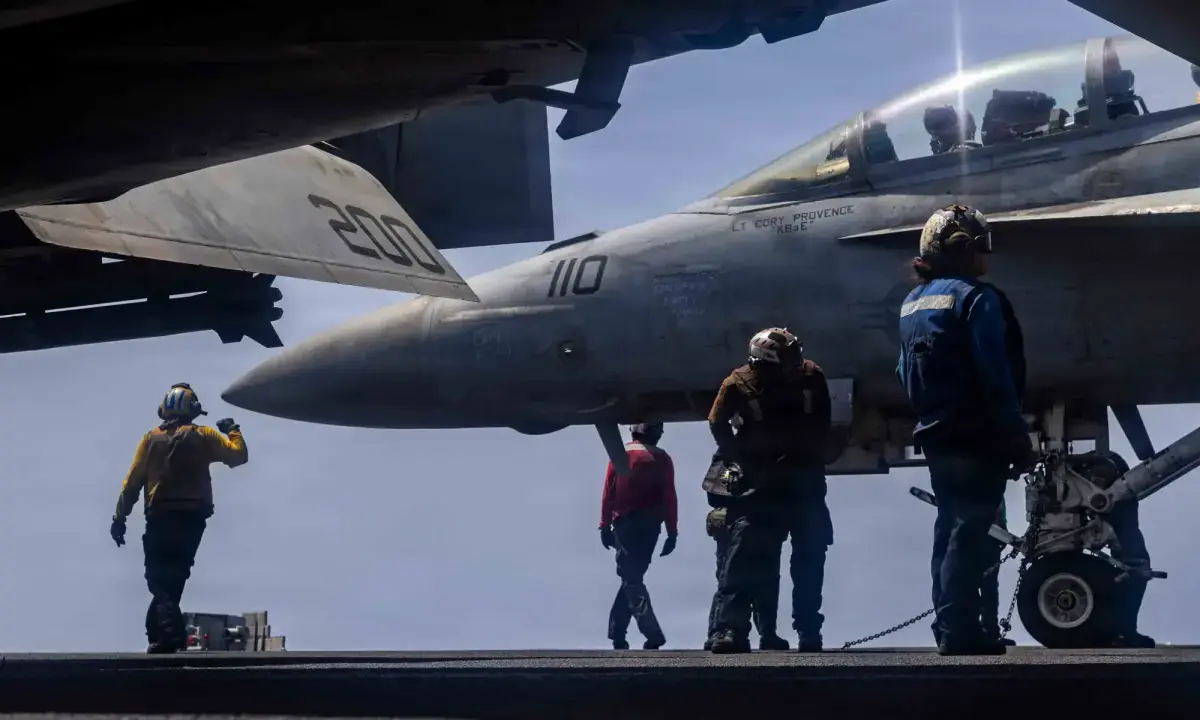
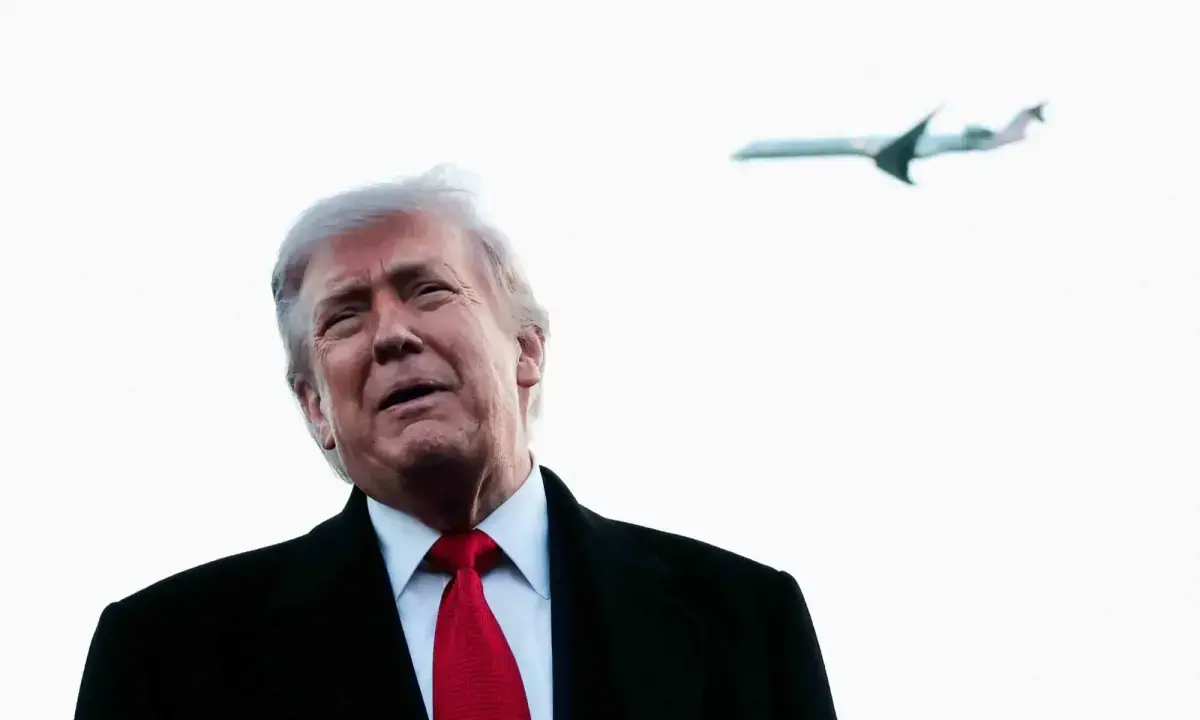
US President Donald Trump said on Saturday that Iran would no longer exist if Washington was forced to resume the war. His remarks came after the US military said it had struck multiple Iranian targets in response to attacks on shipping in the Strait of Hormuz.
On Truth Social, Trump wrote, "United States aircraft just struck Iranian missile and drone storage locations, and coastal radar sites, for violating the Cease Fire Agreement, AGAIN!"
He added, "There may come a point when we are no longer able to be reasonable, and will be forced to militarily complete the job that we very successfully started. If that happens, the Islamic Republic of Iran will no longer exist!"
Shipping and regional tensions
US Central Command said Saturday's strikes were a response to an Iranian drone attack on the Panama-flagged oil tanker Kiku, which it said was carrying about two million barrels of crude. The US military said its operation targeted surveillance infrastructure, communication systems, air defence sites, drone storage facilities and minelayer capabilities.
Iranian media reported several explosions in the Sirik and Qeshm areas in southern Iran. Washington had also carried out similar strikes on Friday, saying those attacks were in response to an earlier Iranian assault on another vessel, the Ever Lovely.
Iran described these attacks as a blatant breach of the interim truce. Tehran had warned vessels not to enter or exit the Gulf through the strait without permission, although ships have continued moving and some have used a route not authorised by Iran.
Under the memorandum of understanding, Iran had earlier agreed to provide safe passage of commercial vessels without charge for 60 days between the Persian Gulf and the Sea of Oman through the strait.
Lebanon front adds pressure
Separately, Israel launched strikes in Lebanon as Hezbollah leader Naim Qassem rejected a US-backed agreement signed on Friday by Israel and Lebanon and aimed at achieving long-term peace between the two countries.
A day after the deal was signed, Qassem called it "humiliating, shameful and a surrender of sovereignty."
He instead urged full implementation of Washington's agreement with Tehran, which includes an end to the fighting in Lebanon. Hezbollah has repeatedly demanded a complete Israeli withdrawal from southern Lebanon, but the Washington-backed deal does not appear to include that.
Israeli Prime Minister Benjamin Netanyahu described the agreement on Saturday as historic and called it "a blow to Iran and Hezbollah."
Netanyahu has said Israeli troops will remain in the security zone held by Israel in southern Lebanon, with civilians barred from returning until Hezbollah is disarmed. However, Israel's far-right security minister Itamar Ben Gvir criticised the agreement as "a big mistake" and said only Israeli forces could disarm Hezbollah.
Comments
No comments yet. Be the first to join the discussion!