US and Iran exchange fresh strikes as talks remain stalled
The US and Iran traded fresh attacks in the Gulf on Wednesday as both sides reported military action around Qeshm, Bahrain and Kuwait, while talks on a tentative ceasefire remained unsigned. Fighting also continued in Lebanon despite a partial truce.

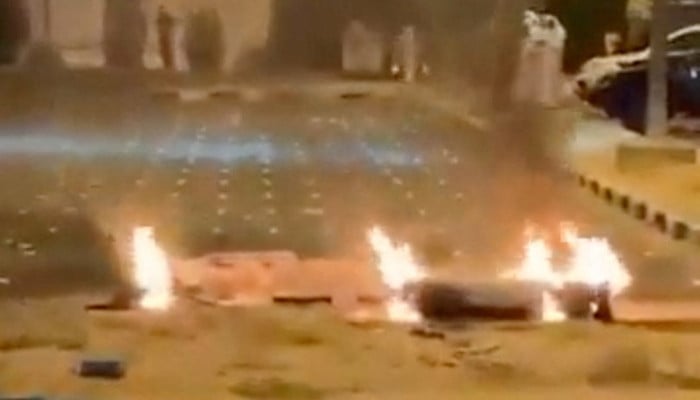
TEHRAN/BEIRUT: Fighting escalated again on Wednesday as the United States said Iranian missile attacks targeting Bahrain, Kuwait and other regional locations were either intercepted or failed, while contacts between Washington and Tehran showed little visible progress despite both sides having announced a tentative framework for halting the war last week.
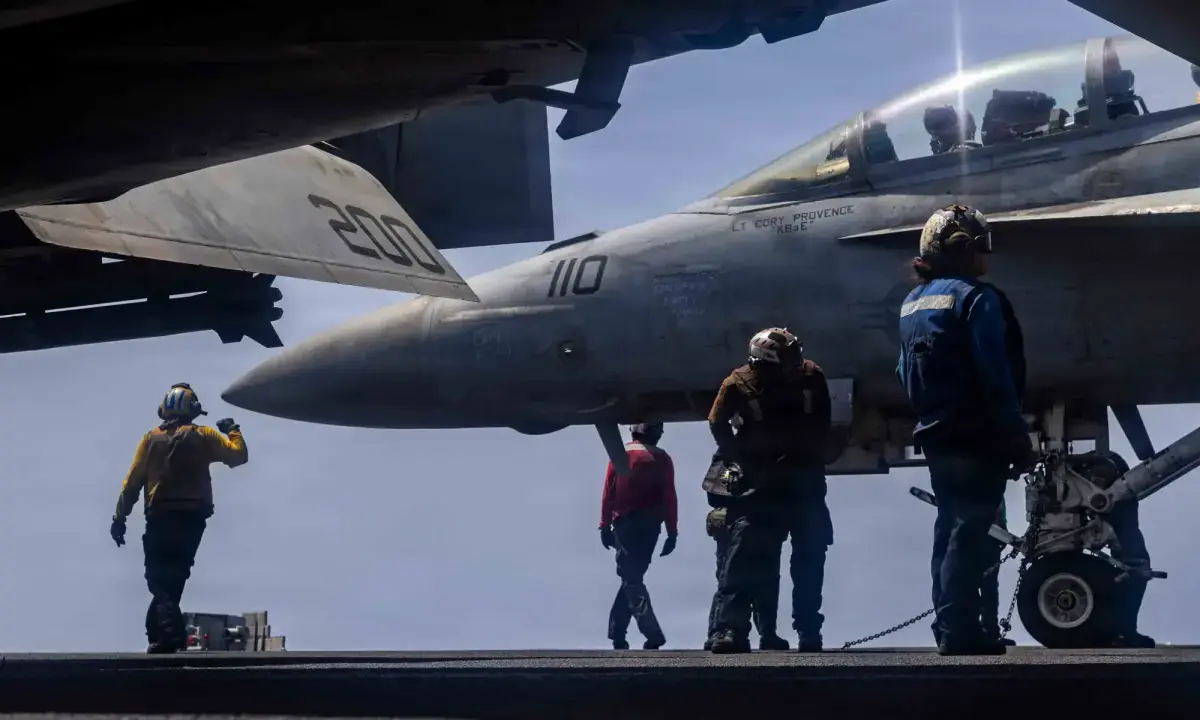
The US military said it had fired on a Botswana-flagged empty oil tanker, M/T Lexie, near Qeshm Island after the vessel attempted to move toward an Iranian port in breach of what it described as an American blockade. In a statement, US Central Command said the tanker had ignored repeated warnings for 24 hours and that an American aircraft disabled it by firing a Hellfire missile into its engine room. US forces carried out strikes on Qeshm Island after what it described as attempted Iranian retaliatory action, and said the US military also shot down Iranian drones aimed at ships crossing Iranian control lines in regional waters and at US forces in Kuwait.
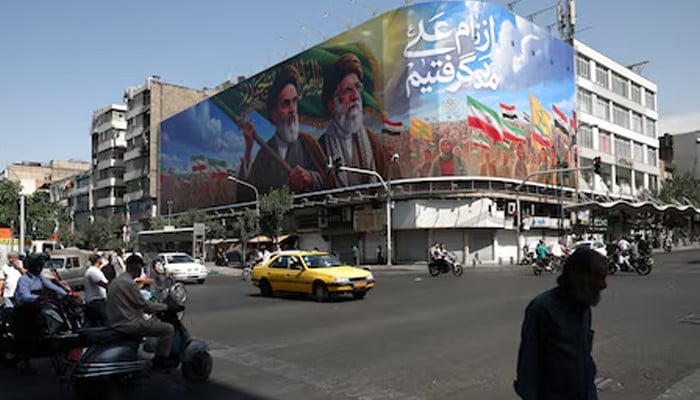
Iranian media, citing the Islamic Revolutionary Guard Corps, said Iran responded after what the IRGC described as a US strike on a communications tower south of Qeshm Island. According to those reports, the IRGC attacked the headquarters of the US Fifth Fleet in Bahrain as well as an airbase and helicopters in an unspecified regional country using missiles and drones. Iranian media also said the IRGC navy struck a vessel it identified as Panaya with missiles after what it said was a US attack on an Iranian tanker near the Strait of Hormuz.
US Central Command said two Iranian missiles fired at Kuwait either fell short or broke up in flight, while several other ballistic missiles aimed at regional targets failed and three missiles heading toward Bahrain were intercepted. Centcom said all of the attacks were unsuccessful and that US forces remained prepared to repel "unwarranted Iranian aggression."
The latest confrontation comes more than three months after the first US and Israeli strikes on Iran. The conflict, which began on February 28, has remained deadlocked under a fragile ceasefire, with maritime movement through the Strait of Hormuz still heavily disrupted. The war has killed thousands of people, mainly in Iran and Lebanon, and has driven up energy prices globally. Oil prices rose by more than 1% in early trade on Wednesday.
Talks show little movement
Iran and the United States said last week they had reached an initial tentative understanding to stop the war, but both reports said the arrangement has yet to be formally approved. Iranian media reported that Tehran had not been in touch with Washington for several days, though US President Donald Trump said negotiations were continuing.
In a social media post, Trump said: "The conversations between us have been going on continuously, including four days ago, three days ago, two days ago, one day ago, and today."
Since mid-March Trump has repeatedly said he is close to an agreement that would end the war and open talks on issues including the future of Iran's nuclear programme. Trump has identified preventing Iran from obtaining nuclear weapons as his main priority, while Iran has denied seeking a nuclear bomb and said its atomic work is for peaceful purposes. Tehran is seeking access to billions of dollars in oil revenue, waivers on crude exports, an end to the US blockade on its ports and continued leverage over the strait, which before the war handled a fifth of global oil and liquefied natural gas traffic.
US Secretary of State Marco Rubio told lawmakers on Tuesday that Washington would only accept sanctions relief if Iran agreed to abandon its nuclear activity. During a heated exchange with Democratic Senator Cory Booker, Rubio said, "The war is over," although Booker disagreed. Iranian media also quoted the IRGC as warning: "Disrupting the security of the Strait of Hormuz will carry a heavy price for the US military,"
Lebanon front remains active
The regional conflict has also fuelled renewed fighting between Israel and Hezbollah in Lebanon. Both reports said Israel has pushed into Lebanon in its deepest incursion in 25 years. On Tuesday, Israeli strikes continued on several towns in southern Lebanon despite a partial ceasefire announced a day earlier through US mediation, according to Lebanese security sources.
The ceasefire announcement did little to calm fears among Lebanese civilians. Some 1.2 million people have been displaced, and an Israeli drone over Beirut on Tuesday added to public anxiety. The strikes hit civilians and civilian infrastructure, and quoted a displaced resident, Faten Al Chehime, who had returned briefly to Beirut's southern suburbs before fleeing again. She said:
"Every time we return to our homes, there is a warning for us to be displaced again,"
MSC, the world's largest shipping group, said one of its vessels was hit by two projectiles at Iraq's Umm Qasr port on Tuesday. The IRGC described that attack as retaliation for a US strike on an Iranian vessel in the Gulf of Oman. The report further cited UNICEF as saying that higher transport costs and supply chain disruptions were obstructing life-saving aid deliveries to Gaza, Lebanon, the Democratic Republic of Congo, Mali, Somalia, South Sudan, Nigeria and other places.
Comments
No comments yet. Be the first to join the discussion!