Pakistan urges urgent de-escalation as Middle East crisis spirals
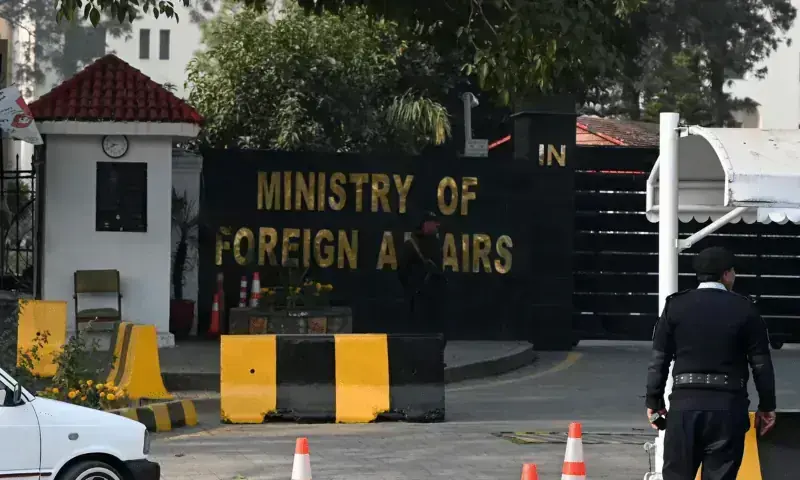
Pakistan’s Foreign Office voiced deep concern over escalating US-Iran strikes spreading across Gulf states, urging maximum restraint, immediate de-escalation, and adherence to the Islamabad MoU to protect regional peace and energy supplies.

Islamabad voices deep concern as fresh US-Iran strikes widen conflict across the Gulf
FO calls on all sides to honour Pakistan-mediated Islamabad MoU and exercise maximum restraint
Pakistan reaffirms readiness to continue constructive role in promoting stability through diplomatic engagement
Renewed hostilities threaten ceasefire gains, raising fears of deeper regional instability and global energy disruption
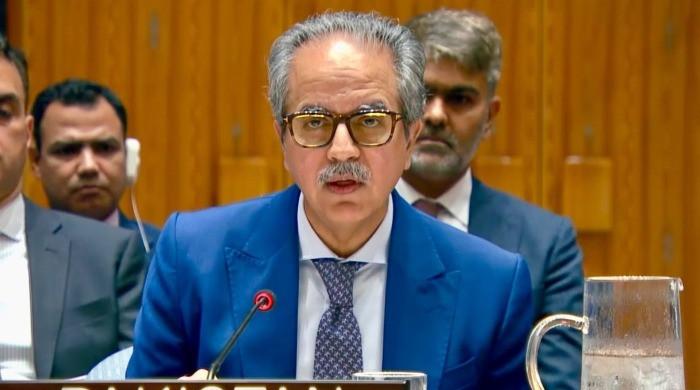
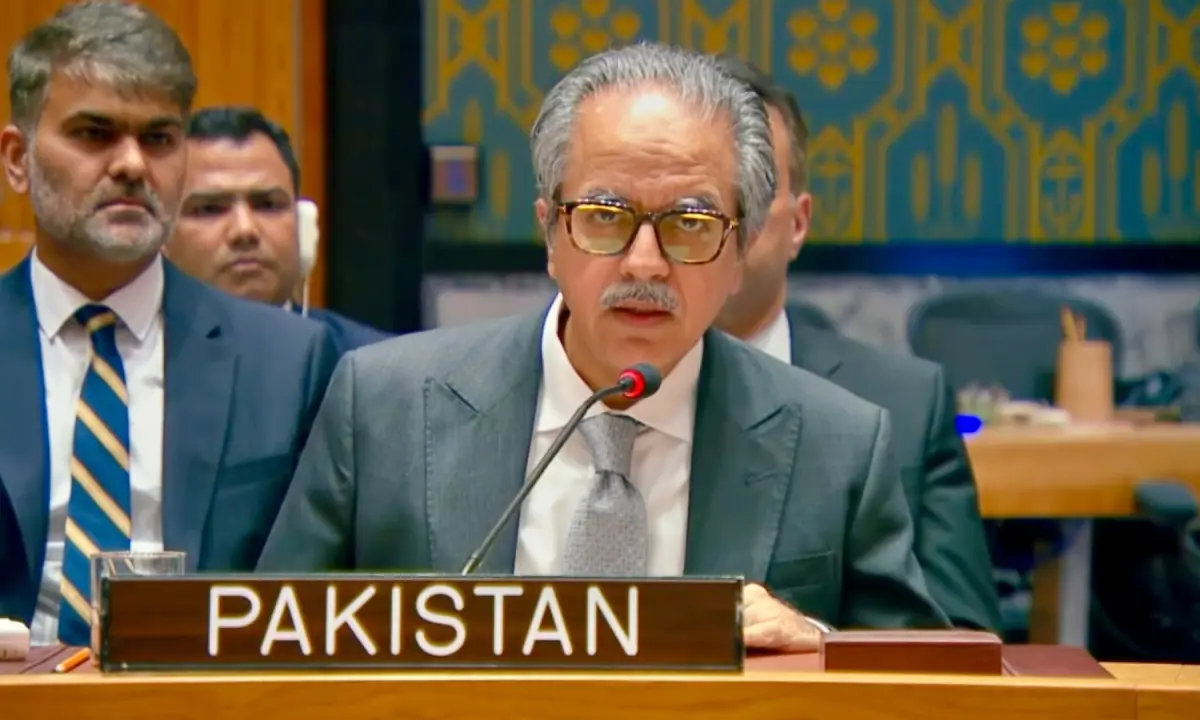
ISLAMABAD: Pakistan on Sunday voiced “deep concern” over the rapidly escalating situation in the Middle East following a fresh exchange of military strikes between the United States and Iran that also spilled into several Gulf states, urging all parties to exercise maximum restraint, pursue immediate de-escalation and honour their commitments under the Pakistan-mediated Islamabad Memorandum of Understanding (MoU) to preserve regional peace and stability.
In a statement, the Foreign Office (FO) said Pakistan was “following with deep concern the recent incidents that are further escalating the regional tensions”.
🔈 PR No. 1️⃣7️⃣0️⃣/2️⃣0️⃣2️⃣6️⃣
Pakistan expresses deep concern at escalation in regional tensions
🔗⬇️ pic.twitter.com/yr27qSYQ9E— Ministry of Foreign Affairs - Pakistan (@ForeignOfficePk) July 12, 2026
“Pakistan reiterates its strong support for the sovereignty and territorial integrity of all brotherly countries in the region, and urges all sides to exercise restraint, take immediate steps towards de-escalation, and uphold respective commitments under the Islamabad Memorandum of Understanding (MoU),” the statement read.
“On its part, Pakistan remains committed to providing all support towards achieving lasting peace and stability in the region through dialogue and diplomacy,” it affirmed.
The FO statement came against the backdrop of fresh US strikes on Iran after the latter struck a container ship, while Tehran announced that it had once again closed the Strait of Hormuz and intensified attacks on US military facilities across the Gulf.
Iran’s Revolutionary Guards said they had destroyed a command-and-control centre and drone hangars in US ally Jordan, targeted a US radar site in Kuwait, attacked US aircraft carrier support and refuelling platforms in Oman, and destroyed a fighter jet maintenance centre and command facility in Qatar.
Earlier in the day, Deputy Prime Minister and Foreign Minister Senator Mohammad Ishaq Dar held a telephone conversation with Iranian Foreign Minister Abbas Araghchi to discuss the evolving regional situation.
During the conversation, Dar stressed “upon the parties to follow the path of de-escalation and show restraint, as agreed in the Islamabad MoU”, the FO said.
Deputy Prime Minister/Foreign Minister Senator Mohammad Ishaq Dar @MIshaqDar50 held a telephone conversation today with His Excellency Seyyed Abbas Araghchi, Foreign Minister of the Islamic Republic of Iran. @araghchi
Both leaders exchanged views on the evolving regional… pic.twitter.com/WuRxnROwwp— Ministry of Foreign Affairs - Pakistan (@ForeignOfficePk) July 12, 2026
He emphasised that dialogue and diplomacy remained the “only viable path to resolving disputes and achieving lasting peace and stability in the region”.
“DPM/FM reiterated Pakistan’s readiness to continue playing a constructive role in promoting and maintaining regional peace and stability. The two leaders agreed to remain in close contact,” the FO added.
Pakistan has been spearheading peace efforts since the United States and Israel launched attacks on Iran on February 28, triggering a war and a global fuel crisis after Tehran took measures to disrupt maritime traffic through the Strait of Hormuz — a vital international corridor for global oil and gas supplies.
The Pakistan-mediated Islamabad MoU — a 14-point interim peace agreement aimed at ending the conflict and reopening the Strait of Hormuz — was signed between the United States and Iran on June 18.
However, the latest barrage marked a significant escalation in both the intensity and geographical scope of the conflict, with attacks extending to Qatar, a key mediator in ceasefire negotiations that had not been targeted since April.
The United Arab Emirates (UAE), which had remained outside the conflict since early May, also came under attack.
The signing of the Islamabad MoU last month had raised hopes of easing tensions as the world grappled with a fuel crunch and the economic repercussions of the Strait of Hormuz's closure.
However, a series of attacks exchanged by the United States and Iran over the past several days prompted President Donald Trump to conclude that the ceasefire was “over”, although he has continued to leave the door open for renewed negotiations.

Comments
No comments yet. Be the first to join the discussion!