Pakistan urges US-Iran restraint as Middle East tensions spiral despite Islamabad peace accord
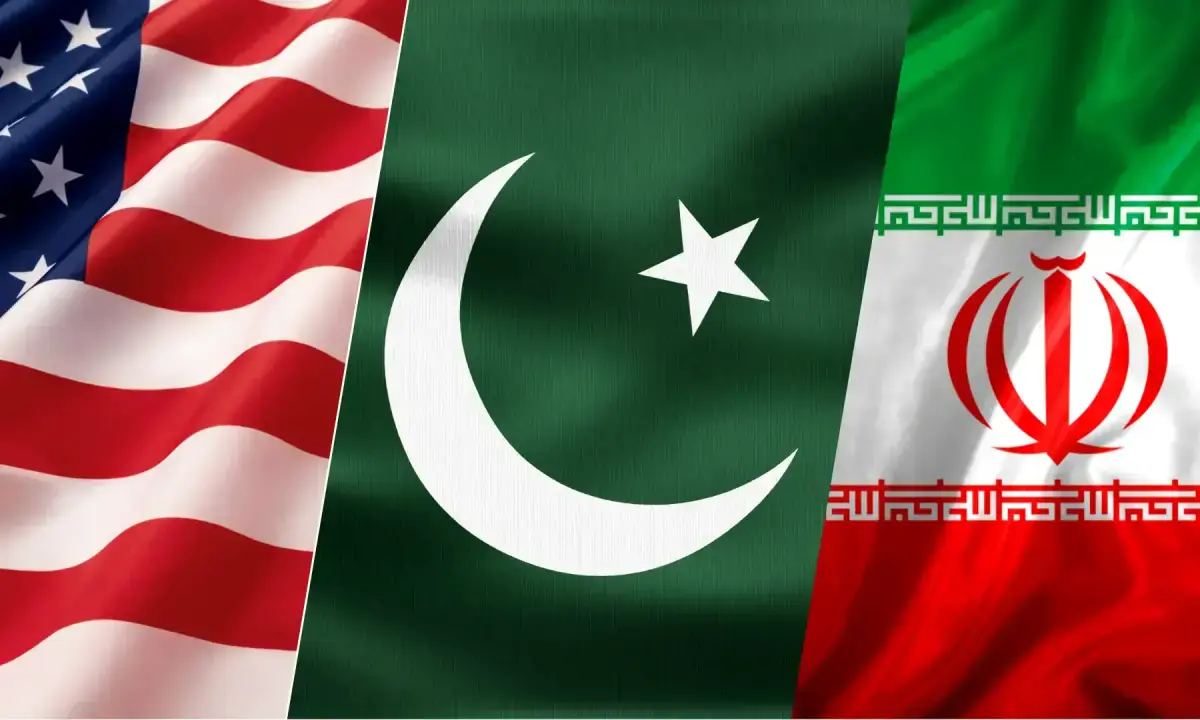
Pakistan warned that renewed US-Iran conflict serves no one as both sides traded strikes and Trump said the ceasefire is effectively over. Islamabad urged restraint and renewed diplomacy to salvage peace efforts.

FO warns renewed conflict serves no one, calling for dialogue as Washington and Tehran exchange fresh strikes
Islamabad urges both sides to honour Islamabad MoU, says diplomacy remains the only path to lasting peace
Trump declares ceasefire 'over', vows to hit Iran 'hard' amid escalating military confrontation
Fresh attacks around Strait of Hormuz raise fears for regional security and global energy supplies
FO reiterates readiness to continue mediating between Washington and Tehran to salvage peace efforts
ISLAMABAD: Pakistan on Wednesday voiced deep concern over the rapidly escalating tensions in the Middle East and urged the US and Iran to exercise maximum restraint and avoid any further military escalation after the two sides exchanged overnight strikes, with Washington intensifying attacks and Tehran launching retaliatory strikes, while US President Donald Trump declared that the ceasefire was effectively over and warned that the United States would hit Iran “hard”.
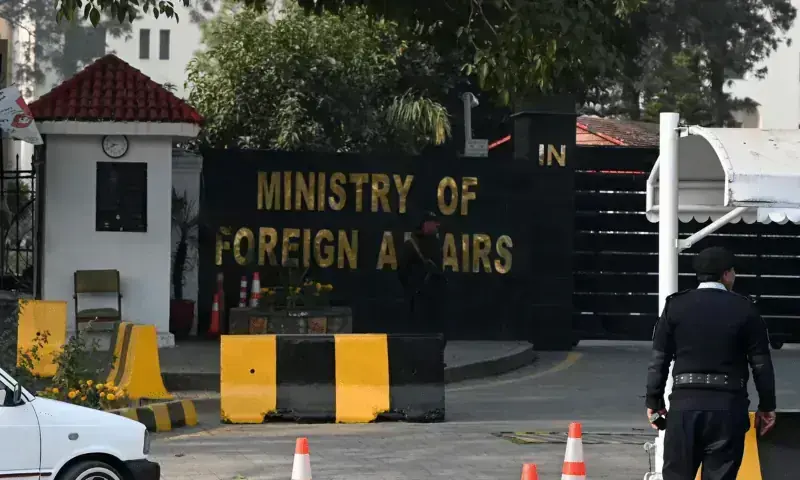
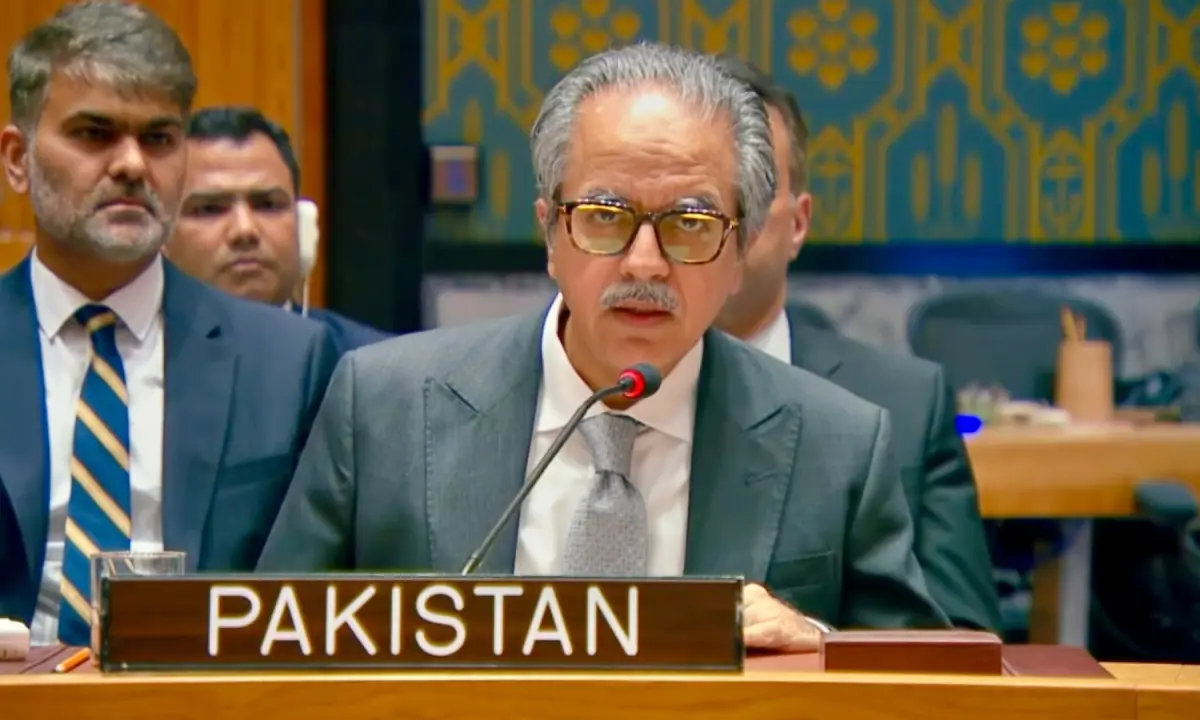
In a statement, the Foreign Office (FO) stressed that “a renewed conflict is in no one’s interest”.
🔊PR No.1️⃣6️⃣7️⃣/2️⃣0️⃣2️⃣6️⃣
Press Release https://t.co/8BcND3LSHM
🔗⬇️ pic.twitter.com/sDWaaOFYQ6— Ministry of Foreign Affairs - Pakistan (@ForeignOfficePk) July 8, 2026
“Pakistan calls on all parties to exercise restraint and refrain from any actions that may further undermine regional peace and stability. There is no alternative to continued engagement, dialogue and diplomacy to achieve a shared goal of peace in the region,” the statement said.
“Pakistan urges all sides to uphold their respective commitments under the Islamabad Memorandum of Understanding (MoU), which remains an enduring foundation for understanding, mutual respect and shared prosperity for the region and beyond.”
The statement came as renewed efforts to end the Middle East conflict suffered a major setback following intensified fighting triggered by Iranian attacks on vessels in the strategically vital Strait of Hormuz.
The strategic shipping lane has remained a major flashpoint in the conflict, which began in late February with massive US-Israeli strikes on Iran.
Tehran insists on controlling the waterway, saying it will charge fees for passage and warning that it could target vessels deviating from its authorised route.
Iran's military struck at least three ships in recent days, prompting extensive US strikes against Iranian targets on Tuesday, followed by retaliatory Iranian attacks on Gulf countries.
“We’re gonna hit ’em hard tonight,” Trump said at a Nato summit in Ankara in reference to Iran, adding: “They violate the agreement every day.”
Asked whether the truce was still intact, Trump said earlier on Wednesday: “As far as I’m concerned, it’s over.”
“It’s just a waste of time dealing with them,” he added. “I’ll let our wonderful negotiators keep talking if they want, but I don’t see it. I don’t like these people.”
Both Washington and Tehran said they had struck dozens of targets, placing fresh strain on their interim agreement aimed at ending the conflict.
Iranian state media reported a wave of explosions around the Strait of Hormuz, including six on Qeshm Island, seven in the city of Sirik and additional blasts in the key port city of Bandar Abbas.
It later reported a series of explosions in the coastal city of Bushehr, home to Iran's only civilian nuclear power plant and located near Kharg Island, the country's main oil export terminal through which nearly 90 per cent of Iran's crude exports pass.
State media reported that a member of the Islamic Revolutionary Guard Corps (IRGC) had been killed, while Iran's foreign ministry said monitoring and observation sites along the southern coast had come under attack.
The Foreign Office reiterated that Islamabad remained ready to continue playing its role as a mediator between Washington and Tehran.
Pakistan has played a central role in facilitating dialogue between the United States and Iran this year and has repeatedly been acknowledged by the Trump administration for its diplomatic efforts.
This is not the first time the two countries have exchanged strikes despite a ceasefire remaining formally in place since April.
Last month, the United States carried out attacks inside Iran after President Trump said a US Apache helicopter had been shot down. Iran responded by launching attacks on bases and other targets in the Gulf.
More than a week after those strikes, the Islamabad Memorandum of Understanding (MoU) was signed, providing both sides with 60 days to negotiate a comprehensive agreement on Iran's nuclear programme and related issues. The agreement also requires a complete halt to military operations on all fronts.
However, speaking at the Nato summit in Ankara earlier on Wednesday, Trump declared that the ceasefire was “over”, saying: “It’s just a waste of time dealing with them. I’ll let our wonderful negotiators keep talking if they want, but I don’t see it. I don’t like these people.”
He also warned that the United States would hit Iran “hard” that night.

Comments
No comments yet. Be the first to join the discussion!