June 10, 2026
Pakistan urges restraint, diplomacy at UN amid renewed US-Iran hostilities
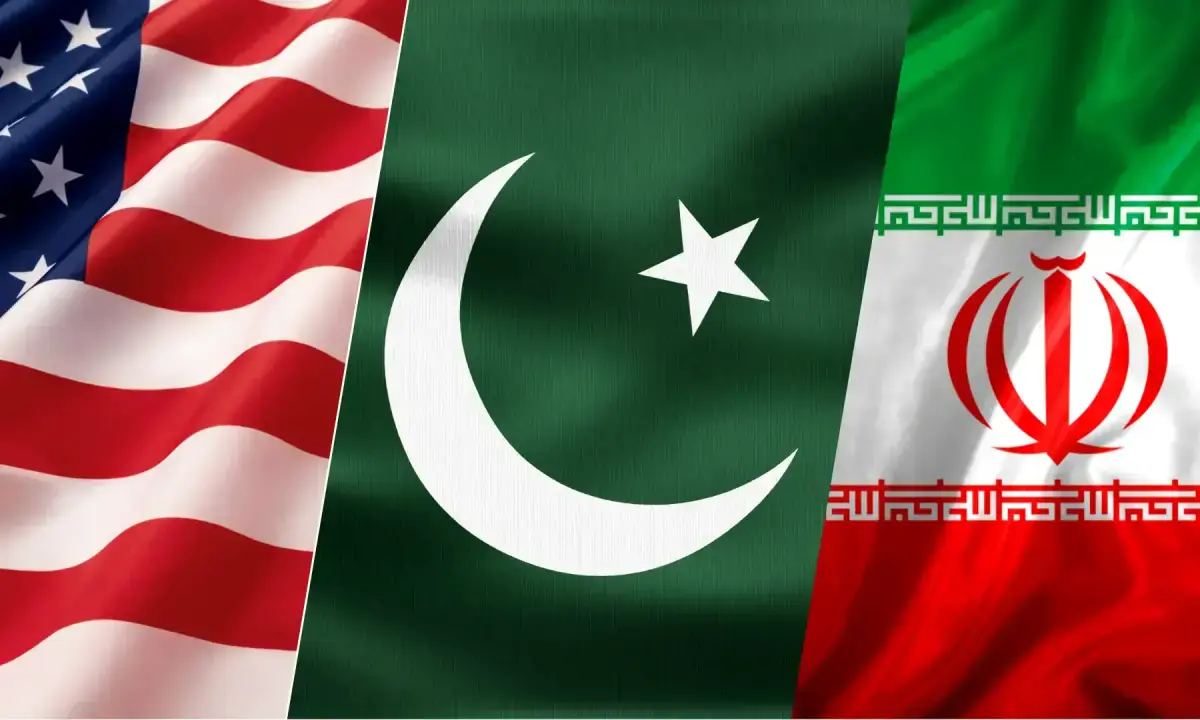
Pakistan told the UN Security Council that all sides should exercise restraint and give diplomacy more time amid renewed US-Iran hostilities. Islamabad also warned that the latest violence has complicated efforts tied to Iran’s nuclear file.

June 10, 2026
ISLAMABAD: Pakistan has called on all sides to show restraint and allow diplomacy more space as tensions rise again between the United States and Iran, with Islamabad warning at the United Nations Security Council that recent developments have underlined the danger of further escalation in the Middle East.
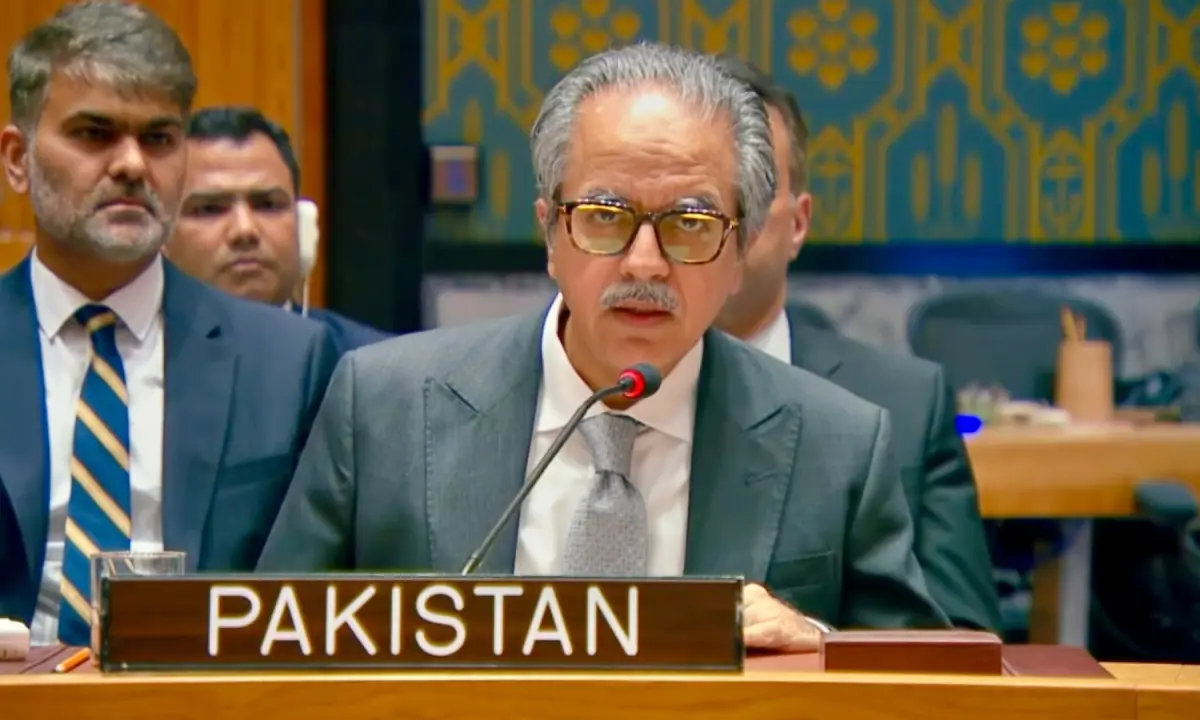
Addressing a UNSC briefing on non-proliferation, Pakistan’s Permanent Representative to the United Nations, Ambassador Asim Iftikhar Ahmad, said the government was deeply concerned by the situation in the region, which he described as being marked by renewed conflict and heightened tensions. He told the council that recent events had highlighted how fragile the situation remained and why diplomatic efforts needed to succeed without delay.
The statement came as the US carried out attacks in Iran after President Donald Trump said a US Apache helicopter had been shot down on Tuesday. Iran, in turn, said it had struck bases and other targets in the Gulf. The latest exchange was among the most serious since the two countries agreed to a Pakistan-brokered ceasefire in April.
Ambassador Ahmad also said the recent rise in violence was a stark reminder of the risks linked to a fragile ceasefire and the severe consequences that could follow. He added that the cycle of violence and instability had to end in the interest of regional and international peace, security and prosperity.
Pakistan highlights diplomatic engagement
Referring to the Iranian nuclear issue, the Pakistani envoy said the latest hostilities had made diplomacy more difficult and had affected the work of the International Atomic Energy Agency. He said the collapse of diplomacy and the outbreak of hostilities had pushed the parties further apart on the nuclear file and had also disrupted the IAEA’s verification responsibilities.
Reaffirming Pakistan’s position, Ahmad said Islamabad supported resolving all outstanding issues, including the Iran nuclear issue, through peaceful means, diplomatic engagement and sustained dialogue. He said Pakistan believed diplomacy and dialogue should remain the guiding principles in seeking negotiated settlements to contentious disputes.
The ambassador said Pakistan, working with partners, had undertaken diplomatic efforts aimed at stopping the war and bringing the parties to the negotiating table. He added that Islamabad had remained involved in efforts supporting de-escalation, ceasefire and wider regional stability.
He also referred to the Islamabad Talks, saying Pakistan appreciated both sides for placing their trust in the country and engaging in dialogue for a ceasefire. He described the process as the highest-level direct engagement between the United States and Iran in more than four decades. According to Ahmad, Pakistan maintained contact with both Tehran and Washington, as well as with regional and international partners, to encourage dialogue, facilitate message exchanges and help create conditions for meaningful negotiations.
Iran nuclear file remains under focus
The UN nuclear watchdog sent a report to member states five days earlier that did not significantly alter its assessment of Iran’s nuclear programme despite three months of US-Israeli war aimed, at preventing Tehran from developing an atomic bomb. In its first report on the programme since the day before US and Israeli air strikes on Iran at the end of February, the IAEA repeated calls for Tehran to explain the fate of enriched uranium stockpiles that have remained unaccounted for since an earlier US-Israeli bombing campaign a year ago targeted Iran’s main nuclear sites.
Iran’s enriched uranium stockpile has remained a key point of dispute in negotiations between Washington and Tehran, with Trump insisting that Iran give it up. Recent efforts have centred on a preliminary arrangement that would postpone the nuclear issues. Two confidential IAEA reports issued on June 5 showed little change from those released in late February, shortly before the latest war.
"The (IAEA) Director General has emphasised to Iran that it is indispensable and urgent to implement effectively the NPT (Non-Proliferation Treaty) Safeguards Agreement effectively.. and that its implementation cannot be suspended by Iran under any circumstances,"The IAEA has been unable to return to the nuclear sites bombed by Israel and the United States last June, and Iran has not yet informed the agency about the fate of its low- and highly enriched uranium, including material enriched up to 60 per cent purity. The region has remained tense since US and Israeli air strikes in late February triggered Iranian retaliation against Israel and other regional countries hosting US assets. A temporary ceasefire was reached on April 8, but negotiations later stalled over disagreements on implementation and subsequent regional developments, even though Trump extended the truce indefinitely.
0 Comments
No comments yet. Be the first to join the discussion!