US memorandum is ‘difficult but possible’ to enforce: Ghalibaf
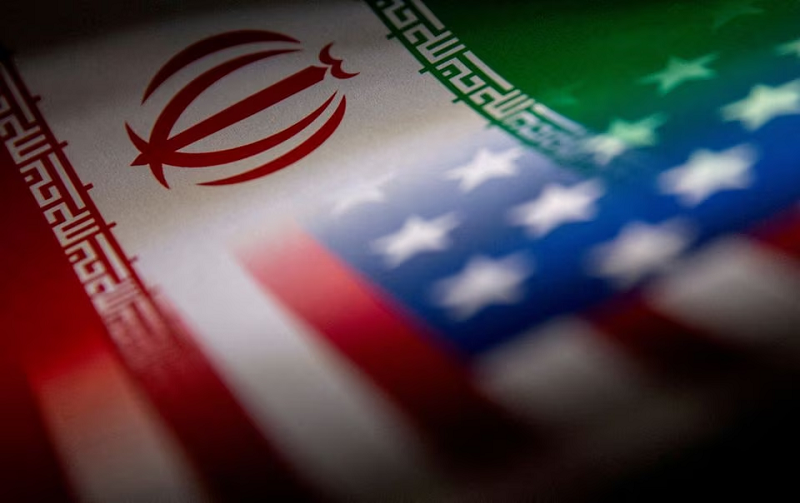
Iranian Parliament Speaker Mohammad Bagher Ghalibaf said the Iran-US memorandum is difficult to implement but possible, while stressing Tehran’s continued differences with Washington. Israeli and Lebanese officers have begun US-mediated talks on a trial withdrawal in southern Lebanon.

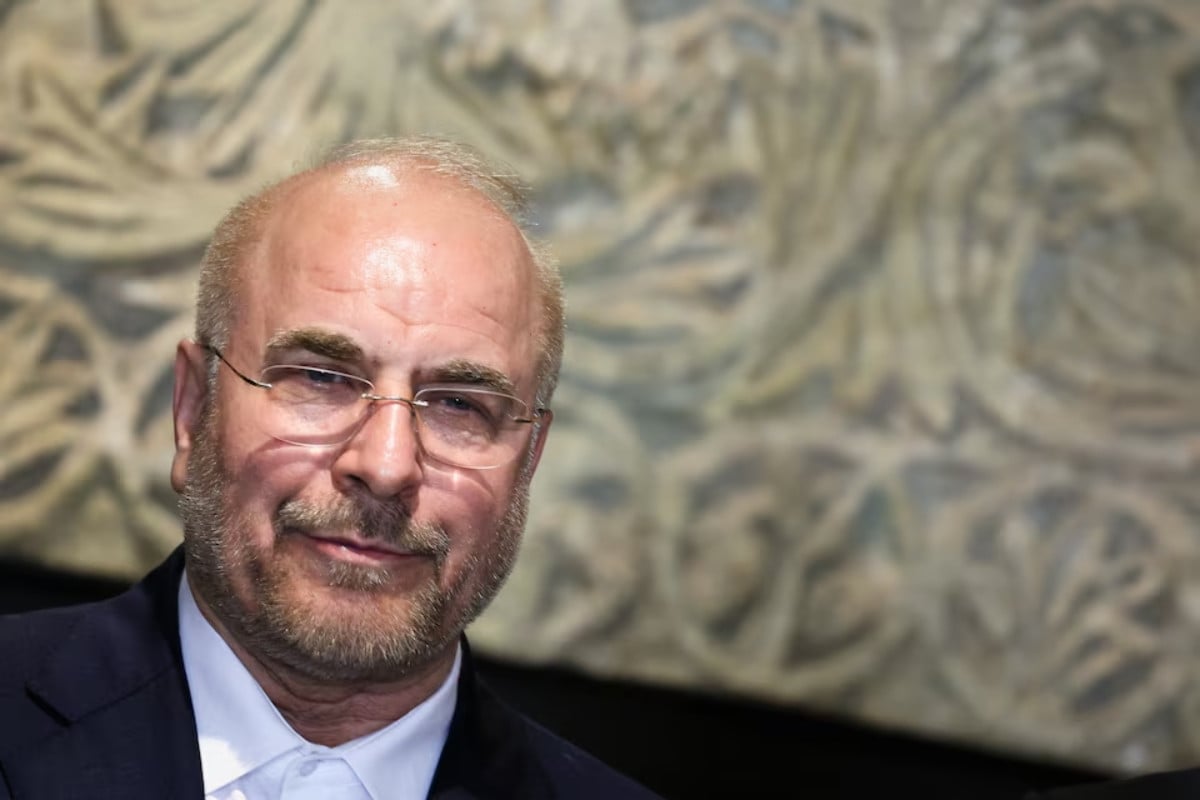
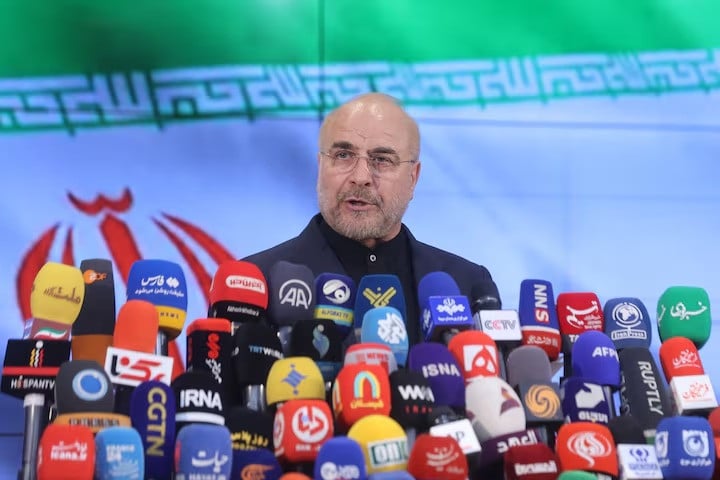
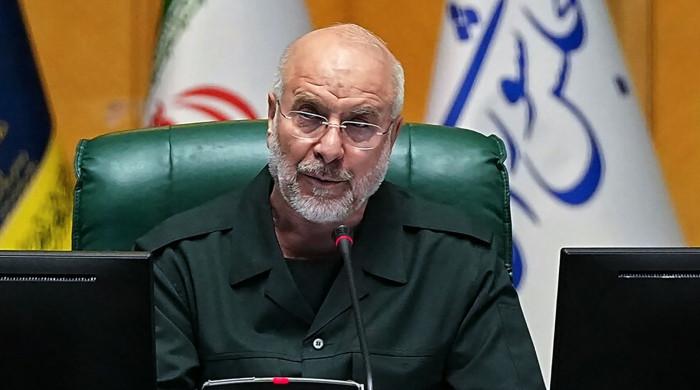
TEHRAN: Iranian Parliament Speaker Mohammad Bagher Ghalibaf has said Iran still has major differences with the United States despite a recently signed memorandum of understanding, describing its implementation as difficult but still achievable.
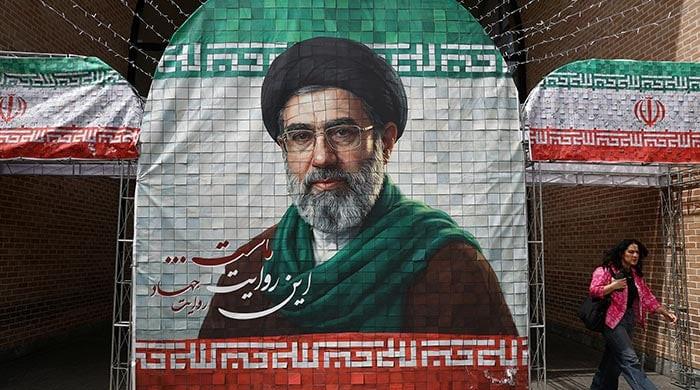
Ghalibaf made the remarks during a meeting in Tehran with Mohammad Darwish, head of Hamas’s leadership council, who was in Iran to attend funeral ceremonies for Ayatollah Ali Khamenei. He said Iran remained opposed to both the United States and Israel and would continue backing Muslims and what he called the axis of resistance in line with Khamenei’s guidance.
Ghalibaf said Iran would not pursue talks merely for their own sake and stated that Tehran had told Washington that the territorial integrity of countries in the region and an end to war against Iran’s allied resistance groups had to be included in the memorandum. He said those points were added to the text. He also said Muslim countries had come to realise that cooperation with the US and Israel would not provide them security.
Ghalibaf said, "We have no peace with the United States, and we will not recognise Israel." He also said, "if needed with missiles and if political pressure is required, pressure through negotiations."
And on the purpose of diplomacy, he said Iran must avoid "negotiation for the sake of negotiation."
Lebanon raised in Iran-US talks
Ghalibaf also said peace in Lebanon could not be sustained without what he described as Iran’s stabilising role in the region. He made those remarks during a separate meeting in Tehran with Muhammad Fneish, a senior Hezbollah official who had also travelled to Iran for Khamenei’s funeral ceremonies.
Ghalibaf said Lebanon was a central issue in the negotiations that led to the Iran-US memorandum. He said Tehran had placed particular importance on Lebanon’s territorial integrity and sovereignty.
He also praised Hezbollah’s confrontation with Israel in support of Iran during the US-Israeli war, calling it a turning point in history that demonstrated what he described as an unbreakable relationship between Iran and groups in the axis of resistance.
On Lebanon, he said, "We had a special emphasis on Lebanon’s territorial integrity and sovereignty."
Israel-Lebanon talks on trial withdrawal
Separately, Israeli and Lebanese military officers have started US-mediated talks aimed at setting clear criteria for a Hezbollah-free zone before a planned Israeli pullout from two villages in southern Lebanon, according to Israel’s public broadcaster KAN.
Citing unnamed Israeli security sources, the broadcaster said the discussions were meant to avoid misunderstandings that could obstruct implementation of the agreement, especially after earlier disagreements over how such zones should be defined. At the same time, Prime Minister Benjamin Netanyahu held a security consultation on Sunday with senior defence officials on developments relating to Lebanon and the planned withdrawal.
An unnamed Israeli official cited by KAN said Israel was waiting for confirmation from the Lebanese army and US Central Command that Lebanese forces were prepared to deploy and take control of the specified areas before the withdrawal begins. The official said Israel had not yet begun withdrawing from the two pilot areas and that the move could start in the coming weeks if the required arrangements are finalised.
Under a US-mediated framework agreement signed by Israel and Lebanon on June 26, Israel agreed to carry out a gradual withdrawal from Lebanese territory, starting with two trial areas. The agreement does not include a fixed timeline for a complete Israeli withdrawal. It ties further redeployments to the Lebanese army taking full security responsibility in evacuated areas and to the disarmament of non-state armed groups, in an apparent reference to Hezbollah.
Israel has continued military operations in Lebanon since March 2, killing more than 4,300 people and injuring over 12,000 others. Israeli forces also remain in parts of southern Lebanon, including areas held for decades and others captured during the 2023-2024 war, while advancing more than 10 kilometres into Lebanese territory during the latest offensive.
Comments
No comments yet. Be the first to join the discussion!