Iran and US shift focus to interim deal as nuclear differences persist
Iran and the US are now pursuing a temporary memorandum after Islamabad talks failed to bridge major differences over Tehran’s nuclear programme. Iranian sources said disputes over uranium stockpiles and enrichment timelines remain unresolved.

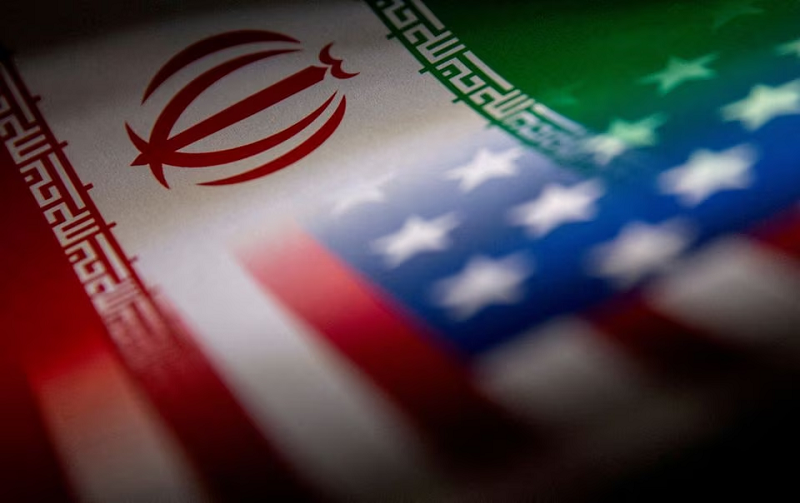
TEHRAN: United States and Iranian negotiators have lowered their immediate expectations from a comprehensive settlement and are now working towards a temporary memorandum aimed at preventing a return to conflict, according to two Iranian sources who spoke to Reuters.
The change in approach follows inconclusive talks held in Islamabad last weekend, where major disagreements over Iran’s nuclear programme continued to impede progress. The unresolved issues include the future of Iran’s enriched uranium stockpiles and the length of time Tehran would be expected to suspend nuclear activity, even as US officials and Pakistani mediators publicly expressed optimism.
A senior Iranian official told Reuters that the two sides had begun reducing some differences, including over arrangements linked to the Strait of Hormuz, a key passage for around 20% of global oil and gas needs that has been closed to most shipping for weeks.
Another source said hopes had risen that the Iran war could be nearing an end after a key Pakistani mediator made progress on what were described as sticky issues. However, Iran also cautioned that the question of its nuclear programme remained unsettled.
Chief of Defence Forces and Chief of the Army Staff Field Marshal Asim Munir, described as a central figure in the mediation effort, arrived in Tehran on Wednesday in an attempt to avert a renewed conflict after marathon negotiations in Islamabad ended without an agreement.
A senior Iranian official said the visit had increased expectations for a second round of talks and for an extension of the two-week ceasefire, but added that core disagreements over the nuclear file still remained.
Interim framework under discussion
According to the same senior Iranian official, Tehran wants any memorandum to include the unfreezing of some Iranian funds by Washington in exchange for allowing more vessels to pass through the strait. The official requested anonymity because of the sensitivity of the matter.
A source briefed by Tehran said on Wednesday that Iran had proposed allowing ships to move freely through the Omani side of the Strait of Hormuz without risk of attack if a lasting agreement is reached.
Still, with more than half of the two-week truce already elapsed, significant divisions remain. The senior official said these include the fate of Iran’s stockpile of highly enriched uranium and the duration of any suspension of Iranian nuclear work, particularly uranium enrichment.
Iran has long insisted that Washington recognise its right to enrich uranium, saying its programme is intended for peaceful purposes. Western powers and Israel, however, say the programme is directed towards developing nuclear weapons. A Western diplomat told Reuters that the nuclear issue remains a core obstacle.
If a memorandum to stop the conflict is agreed, the two sides are expected to have 60 days to work on a final accord, the Iranian sources said. They added that such a process would require the participation of technical experts and the International Atomic Energy Agency (IAEA).
A previous international agreement that limited Iran’s nuclear programme in return for sanctions relief was signed in 2015 after nearly two years of negotiations. President Donald Trump withdrew from that deal in 2018.
Dispute over enrichment and uranium stockpile
The Iranian sources said Washington is seeking a 20-year halt to Iran’s uranium enrichment activities, while Tehran wants any pause limited to three to five years. They said Iran is also seeking a timetable for the removal of sanctions imposed by the United Nations, the United States and the European Union.
Iran has previously rejected a US demand that it send abroad its entire stockpile of uranium enriched to 60%, which is far above the level required for civilian use. However, Iranian sources said there were indications that a compromise might be possible.
One source said Iran was not prepared to transfer all of its highly enriched uranium overseas, but part of it could be sent to a third country. The same source said some highly enriched uranium was needed for medical purposes and for a research reactor in Tehran, which uses relatively small quantities of uranium enriched to around 20%.
The IAEA estimates that Iran had 440.9kg of uranium enriched to 60% when Israel and the United States launched their first attacks on Iranian nuclear facilities in June 2025. The exact amount that remains is not clear.
IAEA chief Rafael Grossi said in March that what remained of that stock was kept in a tunnel complex in Isfahan, and that the agency believed slightly more than 200kg was there. The agency also believes some of the material is at the Natanz nuclear complex, where Iran had two enrichment plants.
A second Western diplomat said “The 440kg HEU remains cause for concern because it allows Iran to have what we call sufficient quantities to build a number of nuclear bombs quite quickly, because the final enrichment phase is relatively quick.”
Comments
No comments yet. Be the first to join the discussion!