June 19, 2026
Khamenei says he cleared US-Iran MoU after assurances on Iran's rights
Iran's Supreme Leader Mojtaba Khamenei says he approved the US-Iran memorandum after receiving assurances from Iranian officials that the country's rights would be protected. The deal launches a 60-day period for broader talks as uncertainty remains over next steps.

June 19, 2026
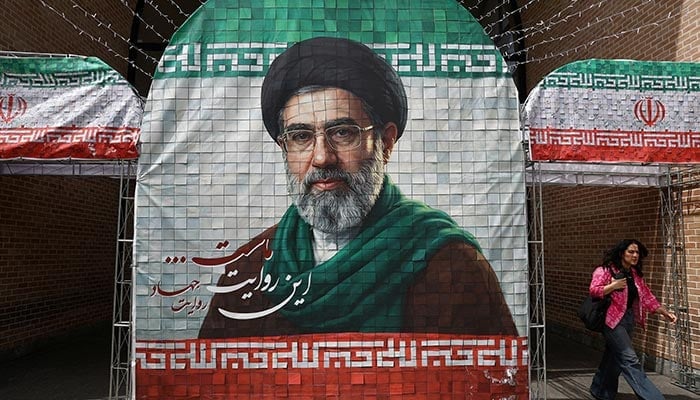
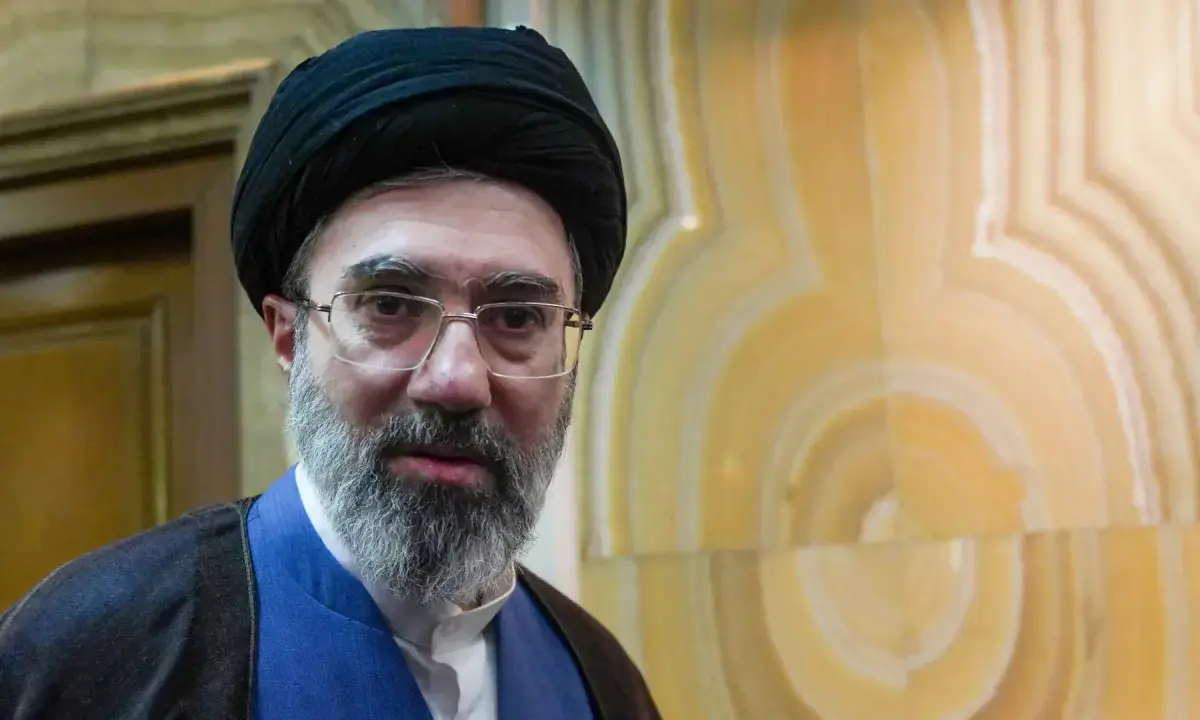
TEHRAN: Iran's Supreme Leader Mojtaba Khamenei said on Thursday that he had authorised the memorandum of understanding signed by the Iranian and US presidents despite holding a different view, after receiving assurances from President Masoud Pezeshkian and other senior officials that Iran's rights and the interests of what he called the Resistance Front would be protected.
In a written message to the Iranian nation, Khamenei said Pezeshkian, as head of the Supreme National Security Council, had taken responsibility for ensuring the agreement safeguards Iran's interests and had pledged not to back down if Washington pressed what Khamenei described as excessive demands.
Khamenei also said any future direct negotiations with the United States would not amount to accepting what he called the enemy's position. The deal signed by US President Donald Trump and Pezeshkian has triggered a 60-day period for discussions on broader disputes between the two countries, including Iran's nuclear programme.
Uncertainty remained over the immediate next steps. It was still unclear whether the two sides, which have had no diplomatic relations since the 1979 Islamic revolution, would hold a signing ceremony and talks in Switzerland on Friday as previously announced.
Strait of Hormuz and sanctions
Oil prices fell after the agreement was signed, although activity in the Strait of Hormuz remained subdued. Iran had blockaded the strategic waterway during the conflict, and under the agreement it is meant to reopen immediately.
Earlier on Thursday, the US military said American forces had lifted their naval blockade of Iranian ports, which had prevented vessels from entering or leaving the country. It added that US warships would remain in the general area.
Maritime trackers said three Saudi oil tankers exited the Gulf through the strait on Thursday, while the loaded French liquefied natural gas vessel Mraikh became the first such LNG carrier to pass through since the conflict began.
Iranian state television, citing a statement from the Supreme National Security Council, said ships seeking to pass through the Strait of Hormuz would now have to submit requests to a new government body set up to oversee the waterway. It added that, under the terms of the deal, no fees would be collected from applicants for 60 days.
Under the text of the agreement, Washington is committed to immediately lifting oil sanctions that have severely damaged Iran's economy. The deal also states that once a final agreement is reached on Iran's nuclear programme, the United States will facilitate the release of a $300 billion reconstruction fund backed by regional countries.
War fallout and political reactions
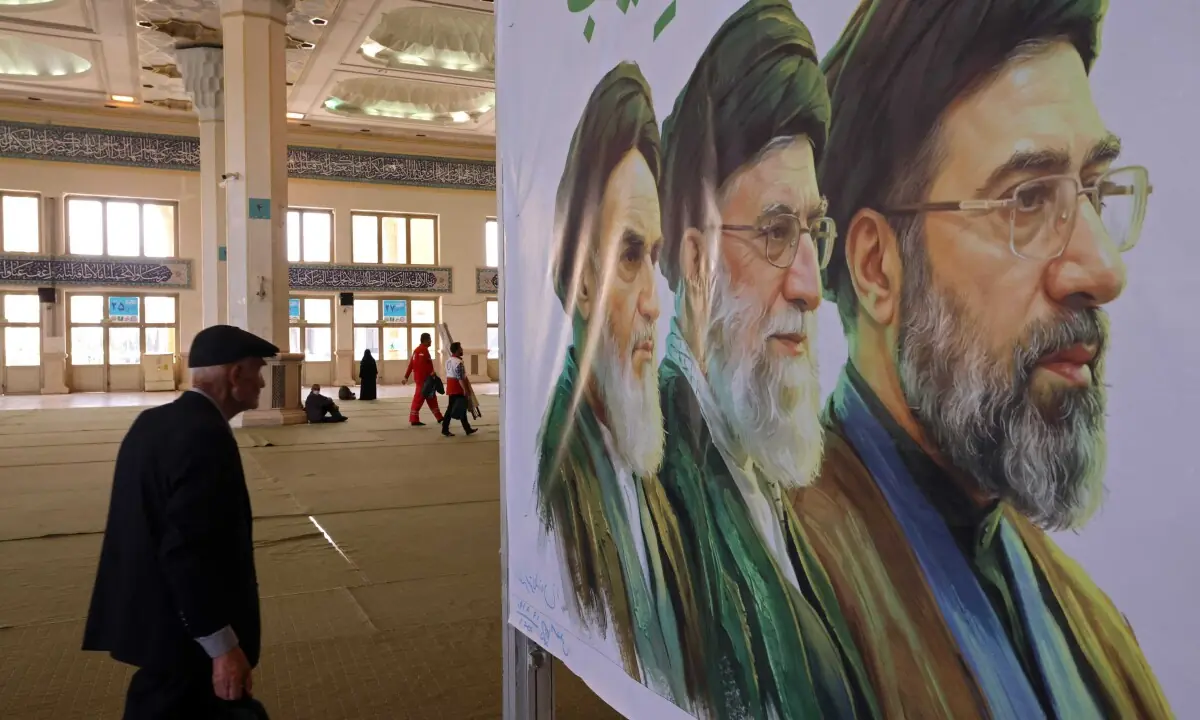
Mojtaba Khamenei became supreme leader after his father, longtime Iranian ruler Ali Khamenei, was killed in an airstrike on the first day of the war on February 28. The younger Khamenei, who was reported to have been wounded in an airstrike, has not appeared in public since being named supreme leader. Funeral ceremonies for his father, scheduled for early July, are expected to be closely watched for indications about the new leader.
Ali Khamenei had repeatedly permitted officials to pursue negotiations during his rule without personally showing enthusiasm for the process. His son said in his latest written statement that he had approved the current deal despite having a different view, without giving further detail.
US Vice President JD Vance said he intended to travel to Switzerland for technical negotiations with Iran this weekend rather than on Friday, though he said the plan could still change. In Iran, the Tasnim news agency said nothing had been confirmed about any Iranian delegation travelling to Switzerland.
The agreement is intended to end the current US-Israeli conflict with Iran, which involved five weeks of full-scale war until a ceasefire was reached in early April. Still, some people in Tehran voiced scepticism about the durability of the arrangement. Mina, a 54-year-old psychologist from Tehran, said:
0 Comments
No comments yet. Be the first to join the discussion!