April 12, 2026
US fails to win Tehran’s confidence in Islamabad talks, says Iran speaker
Iran’s parliament speaker Mohammad Bagher Ghalibaf says US negotiators failed to earn Tehran’s trust in Islamabad talks. The US and Iran held 21 hours of discussions but reached no breakthrough, with Pakistan mediating.
April 12, 2026

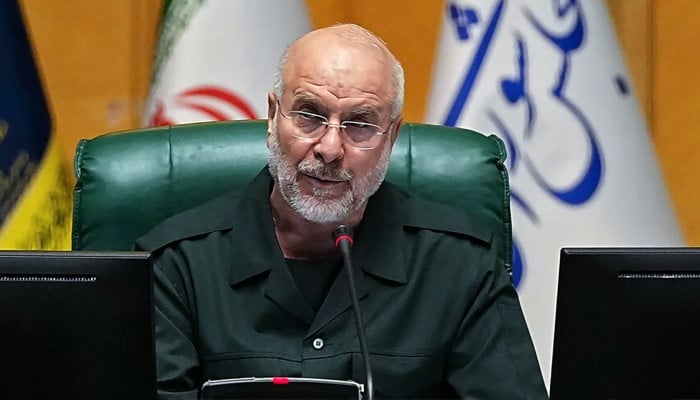
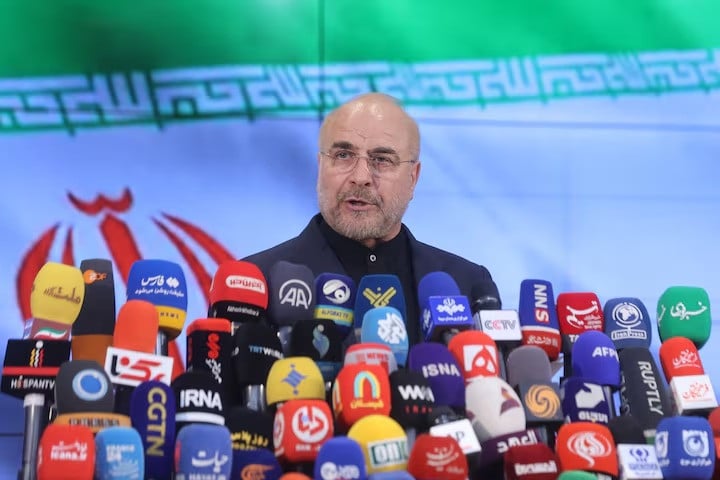
Iran’s Parliament Speaker Mohammad Bagher Ghalibaf, who took part in weekend talks with the United States, said on Sunday that Washington had failed to win Tehran’s confidence during the discussions in Islamabad.
In a post on X, Ghalibaf said members of the Iranian delegation had presented constructive and forward-looking proposals, but the US side was ultimately unable to secure their trust in this round of negotiations.
He said Iran entered the talks with deep mistrust toward Washington, shaped by the experience of the previous two wars. According to Ghalibaf, the burden is now on the United States to decide whether it is prepared to take the steps needed to build confidence with Tehran.
He added that the Iranian delegation would continue working without pause to preserve and strengthen what he described as Iran’s achievements during the six-week conflict.
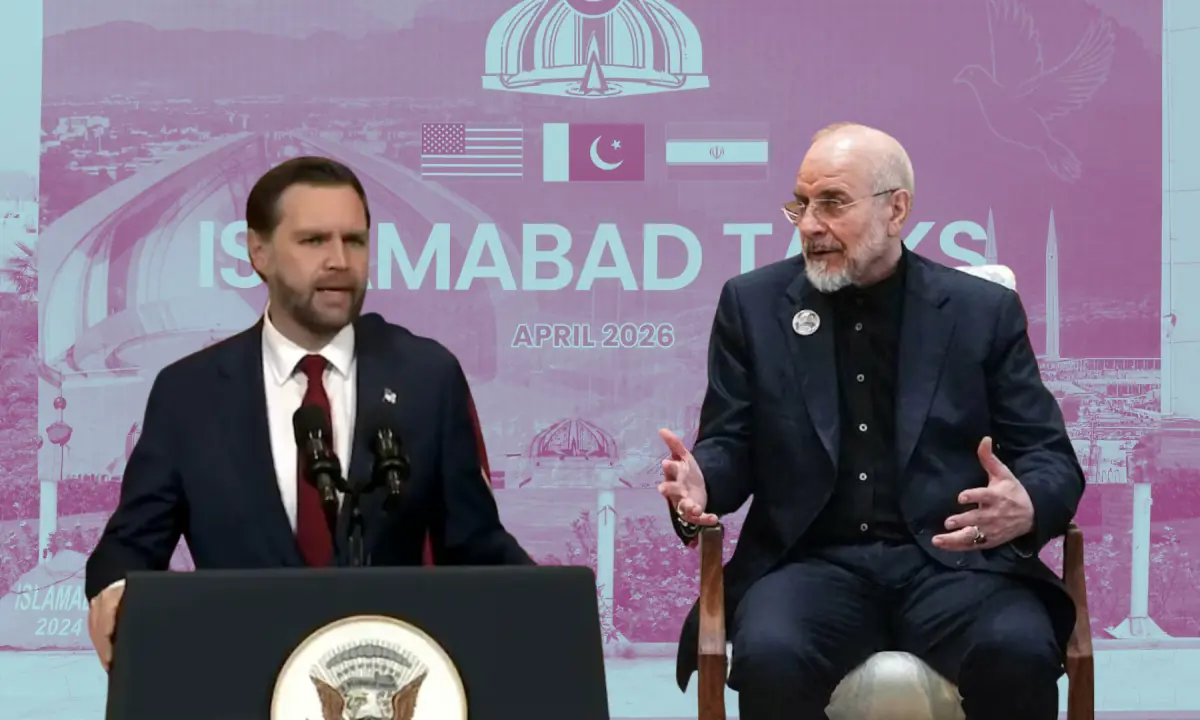
More than 20 hours of high-stakes talks between US and Iranian delegations began on Saturday in Islamabad, with Pakistan acting as mediator after helping broker a two-week ceasefire.
The negotiations ended without a breakthrough. US Vice President JD Vance said Tehran had rejected Washington’s terms, which Iranian state media described as unreasonable.
Speaking after the meeting, Vance said the discussions covered several critical issues. He acknowledged that no agreement had been reached and insisted the US had made its red lines clear.
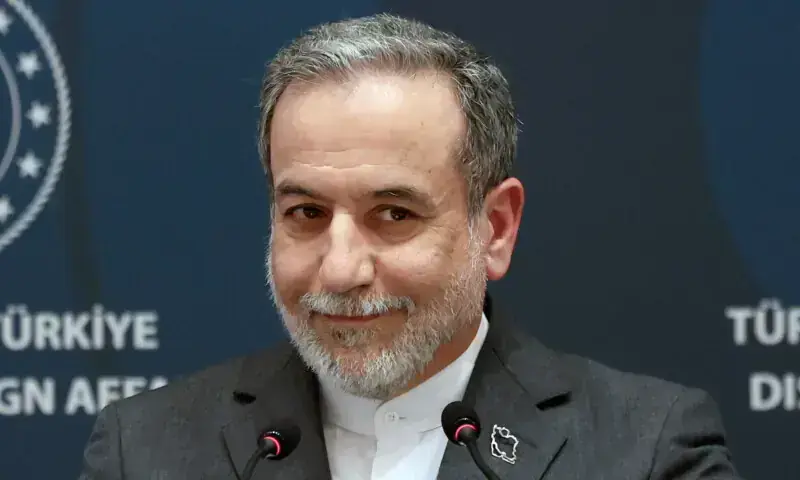
Iranian foreign ministry spokesman Esmail Baghaei later said it had never been realistic to expect Tehran and Washington to reach a final agreement in a single session.
Ghalibaf also praised Pakistan for its key role in facilitating the talks and conveyed his appreciation to the Pakistani people.
He ended by commending both the Iranian public and the negotiating team, pointing to public backing and the intensity of the discussions. He said the 21-hour negotiations had been demanding and praised his colleagues for their efforts.
The conflict began on February 28 after joint US-Israeli strikes targeted Iran’s leadership and infrastructure. Since then, more than 2,000 people have been killed and instability has spread across the region.
Tehran responded with retaliatory measures, including moves that disrupted shipping through the Strait of Hormuz and attacks on Israeli and US bases in the region.
A ceasefire was announced on April 8, with Pakistan playing a central mediating role between the two sides.
After the ceasefire, Washington proposed a 15-point framework focused on nuclear and missile issues, sanctions relief, and the reopening of the Strait of Hormuz. Tehran, in turn, presented a 10-point plan calling for broader sanctions removal, greater authority over the Strait of Hormuz, and the introduction of transit fees.
0 Comments
No comments yet. Be the first to join the discussion!