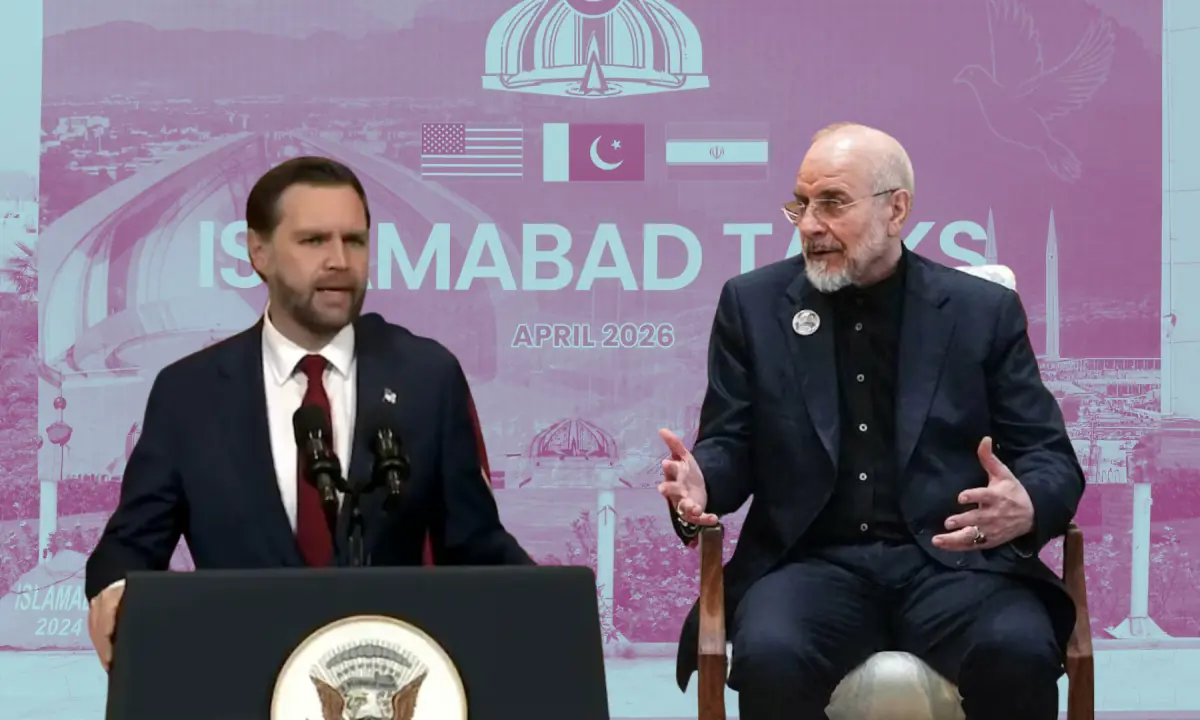
No quick deal possible as Islamabad Talks show partial consensus: Iran
Iran’s Foreign Ministry says Islamabad talks produced partial consensus but key disputes remain on two to three issues. Iran expects the US to show good faith, and says no quick deal is possible.

-
Iran’s Foreign Ministry spokesperson says agreement cannot be reached in a single sitting
-
Baghaei claims consensus reached on several key negotiating points, saying dispute persist on two to three critical issues
-
Says Strait of Hormuz, sanctions, nuclear issue among key agenda items as Pakistan facilitated talks end
-
Iranian envoy says Islamabad talks laid foundation for diplomatic process
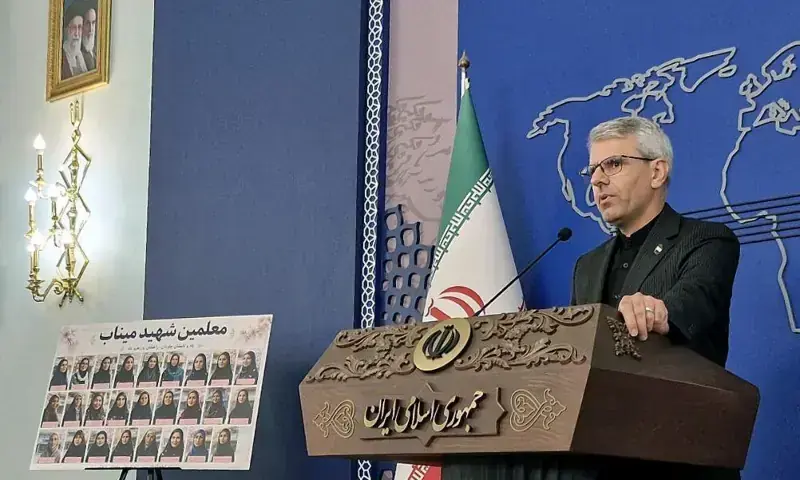
ISLAMABAD: Iran’s Foreign Ministry spokesperson Ismail Baghaei has said that the success of the Islamabad talks depends on the United States demonstrating seriousness and good faith, stressing that no agreement should be expected from a single round of negotiations.
In a message posted on X, the spokesperson said that no party had anticipated a quick breakthrough, noting that the complexity of issues and prevailing circumstances were key factors in the negotiations. He added that new topics were also introduced during the talks, and Iran would continue its diplomatic efforts to safeguard its rights and interests.
دیپلماسی برای ما ادامه جهاد مقدس مدافعان ایران زمین است. تجربه بدعهدیها و بدسگالیهای آمریکا را فراموش نکرده و نمیکنیم. همانطور که جنایات شنیع ارتکابی آنها و رژیم صهیونیستی در جریان جنگهای تحمیلی دوم و سوم را نخواهیم بخشید.
امروز روز پر کار و طولانی برای هیات نمایندگی جمهوری…— Esmaeil Baqaei (@IRIMFA_SPOX) April 12, 2026
Baghaei said it had been a long and intensive day for the Iranian delegation in Islamabad, where negotiations—initiated in the morning under Pakistan’s facilitation—continued without interruption. During the talks, multiple messages and written drafts were exchanged between the parties.
He said discussions covered the Strait of Hormuz, nuclear issues, compensation for war damages, lifting of sanctions, and a complete end to hostilities in the region.
While consensus was reached on several points, he noted that differences on two to three key issues prevented a comprehensive agreement. He added that consultations and contacts between Iran, Pakistan, and other friendly regional countries would continue.
Iran FM Spox.: These negotiations took place after 40 days of imposed war and were conducted in an atmosphere of mistrust and suspicion; it is natural that, from the beginning, we should not have expected to reach an agreement within a single session. No one had such an…
— Mehr News Agency (@MehrnewsCom) April 12, 2026
“Diplomacy never ends; it is a means of safeguarding national interests,” he said, reiterating that the success of the process depends on the opposing side demonstrating seriousness, goodwill, and recognition of Iran’s legitimate rights and interests.
Islamabad Talks Laid Foundation for Diplomatic Process: Iran’s Ambassador
Iran’s Ambassador to Pakistan, Reza Amiri Moghadam, has said that the Islamabad talks laid the foundation for a diplomatic process which, if trust and political will are strengthened, can establish a sustainable framework for the interests of all parties.
In a post on X, he said the Islamabad talks were “not an event but a process.”
The Islamabad Talks is "not an event but a process."
The Islamabad Talks laid the foundation for a diplomatic process that, if trust and will are strengthened, can create a sustainable framework for the interests of all parties.
I would like to express my gratitude to the… pic.twitter.com/qzCb1xYzPh— Reza Amiri Moghadam (@IranAmbPak) April 12, 2026
He also expressed gratitude to Prime Minister Shehbaz Sharif and Field Marshal Asim Munir for what he described as their “initiative of goodwill and good office” in facilitating the talks.
He noted that with the tireless efforts of all Pakistani institutions—including the government, armed forces, police, and security agencies—the negotiations were held in a dignified, calm, and secure environment, with equal logistical arrangements for both sides.
He further stated that the Iranian high-level delegation pursued the talks with dignity, self-confidence, and faith in Allah Almighty, while remaining focused on safeguarding the national interests and legitimate rights of the Iranian people.
Islamabad Peace Talks Phenomenal Breakthrough in Efforts to End Iran–US War: Bilawal
Pakistan Peoples Party (PPP) Chairman Bilawal Bhutto Zardari has said that the ongoing US–Iran peace talks in Islamabad represent a “phenomenal breakthrough” in efforts to end the conflict.
Speaking in an interview with a foreign media outlet, he said the very fact that talks are taking place is itself the biggest achievement so far.
“It’s significant that the ceasefire is in effect and the bombing has stopped in Iran and across most of the Middle East, and the two major powers are now negotiating,” he said.
He expressed hope that the ceasefire would evolve into a more durable and permanent resolution to the conflict.
Bilawal said that not only Pakistan but the entire world was observing the talks with “cautious optimism,” noting that the past six weeks had witnessed severe devastation, both in human and economic terms, with global repercussions.
He added that he wished to thank the leadership of Iran and the United States for agreeing to the ceasefire and continuing discussions, as well as Pakistan, China, Saudi Arabia, Türkiye, Egypt, Qatar, and other GCC countries for their collective diplomatic efforts.
He said the war had affected the entire world, adding that “everybody has been making a joint and collective effort to create the necessary diplomatic space for this ceasefire and for further discussions to proceed.”
Iranian Rial Demand Goes High in Pakistan
The demand for the Iranian rial has surged sharply in Pakistan, with the currency gaining nearly fourfold against the rupee in recent weeks.
Exchange companies report a significant increase in buying activity, as individuals increasingly turn to the Iranian currency amid expectations of further appreciation.
The trend comes in the backdrop of ongoing diplomatic engagement between Iran and the United States, which has influenced market sentiment and expectations. Traders say the surge is also being supported by increased cross-border trade, particularly in petroleum products, where transactions are contributing to rising demand for the rial.
At the same time, prevailing economic conditions and geopolitical uncertainty surrounding Iran have added further complexity to currency movements.
Analysts say the trend reflects a broader pattern of investors turning to alternative currencies during periods of uncertainty, while cautioning that such movements are often highly volatile and driven by speculation rather than long-term fundamentals.
Comments
No comments yet. Be the first to join the discussion!