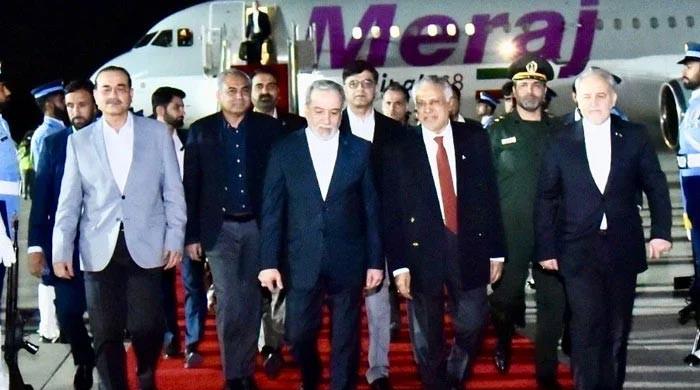
Tehran clarifies it has not refused Pakistan-hosted talks with US
Iran’s Foreign Ministry says any talks with Pakistan would depend on the terms and conditions of such negotiations. The remarks came after Prime Minister Shehbaz Sharif offered Islamabad’s support for peace efforts during his Tehran visit.

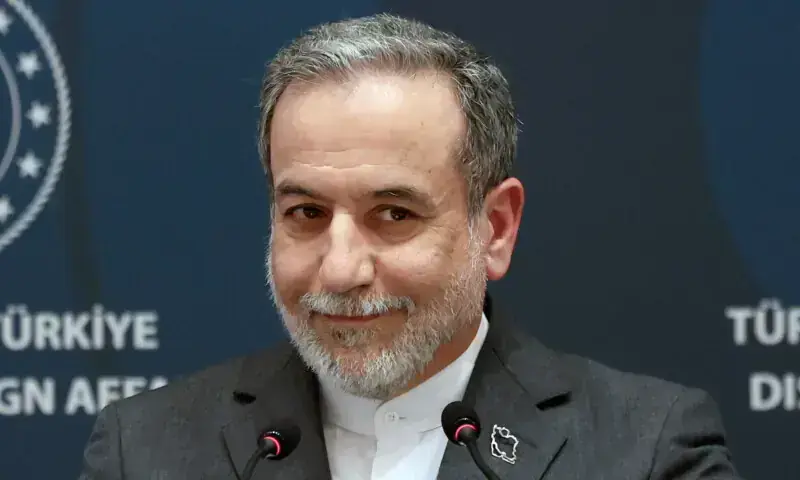
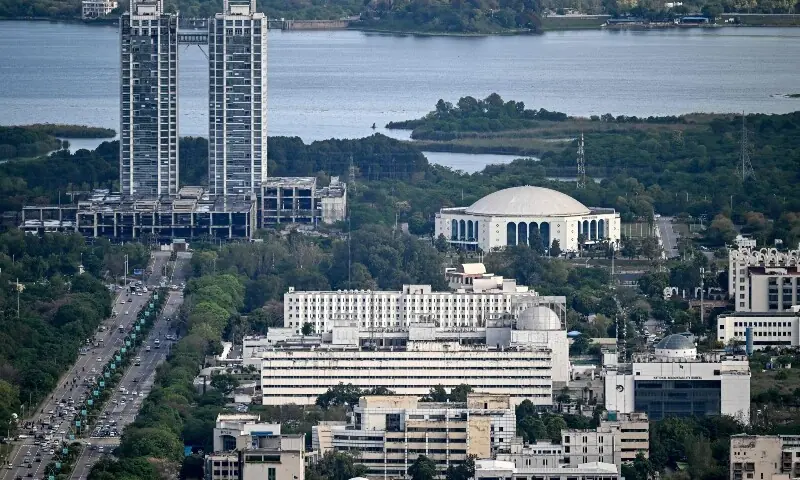
ISLAMABAD: Iran on Saturday dismissed reports suggesting it had refused to attend potential talks with the United States in Islamabad, saying its stance had been inaccurately portrayed and that any participation would depend on the framework of negotiations, as per a report by Dawn.
In a post on X, Iranian Foreign Minister Abbas Araghchi said Tehran had “never declined” an invitation to visit Pakistan, expressing appreciation for Islamabad’s diplomatic efforts.
He emphasised that Iran’s primary concern was securing conditions that would lead to a “definitive and durable end” to what he described as an imposed and unlawful conflict.
His remarks followed a report by The Wall Street Journal which claimed Iran had opted out of proposed talks in Islamabad, citing disagreements over US demands and hinting that Pakistan’s mediation had hit a dead end.
Pakistan’s Deputy Prime Minister and Foreign Minister Ishaq Dar responded promptly, welcoming the clarification and publicly acknowledging Mr Araghchi’s statement.
The exchange has helped preserve a delicate backchannel that Islamabad has been facilitating between Washington and Tehran. Officials familiar with the process say Pakistan continues to act as an intermediary, conveying messages while also engaging key regional and international stakeholders to build momentum for dialogue.
However, signs of progress remain limited. While indirect contacts are believed to be ongoing, Tehran has yet to formally indicate readiness for structured negotiations.
Diplomatic outreach by Islamabad continued on Saturday. Mr Dar held separate conversations with Egyptian Foreign Minister Badr Abdelatty and Bahrain’s Foreign Minister Abdullatif bin Rashid Al Zayani, focusing on the evolving regional situation and the need to prioritise de-escalation through dialogue.
During his discussion with the Bahraini counterpart, Mr Dar highlighted a Pakistan-China five-point proposal aimed at promoting stability in the Gulf and wider Middle East. He reiterated the urgency of diplomatic engagement, according to an official statement.
Bahrain — which has maintained a comparatively assertive position on the conflict — expressed support for Pakistan’s efforts, with both sides agreeing to stay in close coordination.
Meanwhile, developments at the United Nations Security Council reflect wider divisions on the issue. A Bahrain-backed draft resolution on maritime security in the Strait of Hormuz has been pushed to next week after failing to secure consensus.
Diplomatic sources say disagreements persist among major powers. Russia and China have resisted wording that could open the door to the use of force, while France has also raised reservations. For adoption, the resolution would require at least nine votes in favour and no veto from permanent members.
The delay underscores the lack of agreement on how to respond to tensions in the Strait of Hormuz, a critical waterway where Iran has exercised selective control.
Separately, Iran’s parliamentary speaker Mohammad Bagher Ghalibaf said Tehran remained open to working with regional countries through bilateral and multilateral channels. In remarks to Al Jazeera Arabic, he argued that regional security should be shaped without external interference, adding that lasting stability was in the collective interest of neighbouring states.
Despite the slow pace, officials say ongoing contacts between Tehran and Islamabad suggest that diplomatic channels remain intact, even as key differences over the scope and terms of engagement continue to hinder progress.
Comments
No comments yet. Be the first to join the discussion!