Islamabad prepares for high-level US-Iran negotiations after ceasefire
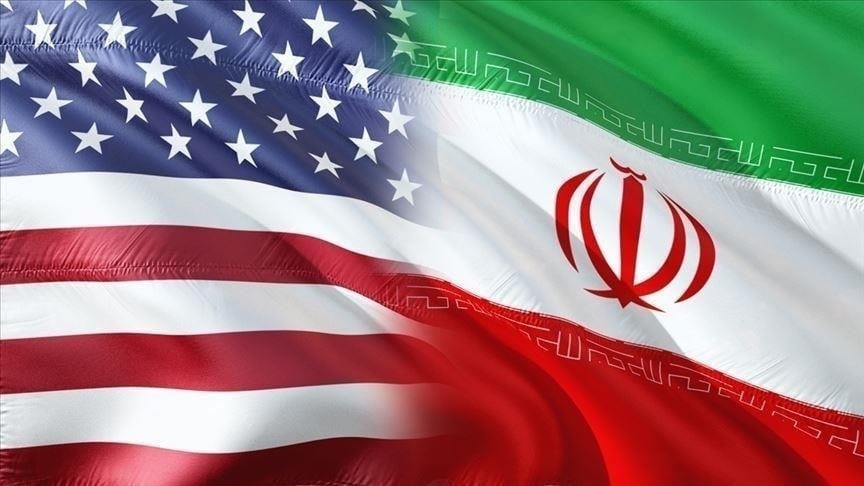
Pakistan is set to host US-Iran talks in Islamabad after a two-week ceasefire brokered through Pakistani mediation. The truce, however, has come under strain amid Israeli strikes in Lebanon and renewed regional military activity.

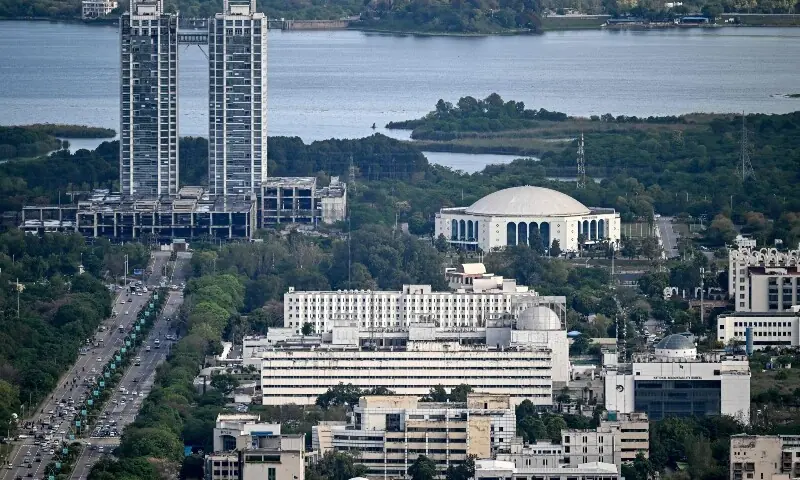
ISLAMABAD: Pakistan is preparing to host high-level in-person talks between the United States and Iran starting Friday, as a fragile ceasefire brokered by Islamabad faces early challenges following renewed regional hostilities. The discussions come after a two-week ceasefire announced late Tuesday, marking the 39th day of the ongoing Gulf conflict. The truce was brokered after weeks of Pakistani mediation and was based on a 10-point framework proposed by Iran and accepted by Washington as a basis for negotiations.
The upcoming talks are scheduled to formally begin on Saturday, with delegations from both sides expected to arrive in Islamabad on Friday. A 30-member US advance team has already landed in the capital to review security arrangements ahead of the high-stakes negotiations. Prime Minister Shehbaz Sharif confirmed the visit of both delegations during a federal cabinet meeting, describing the Islamabad talks as a crucial step toward reaching a “conclusive agreement to settle all disputes.”
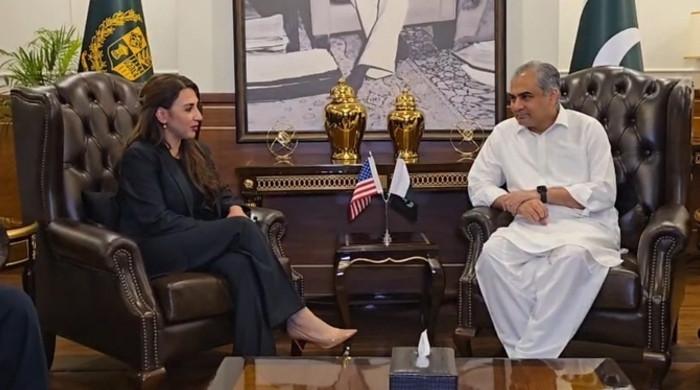
In separate statements, the prime minister described his conversation with Iranian President Masoud Pezeshkian as “warm and substantive” and praised Tehran for accepting Pakistan’s offer to host the peace talks. Islamabad has declared April 9 and 10 public holidays in the capital to facilitate security and logistical arrangements, with a major hotel reserved for the delegations and access restrictions in place across key areas.
The US delegation will be led by Vice President JD Vance, signalling strong political commitment from Washington. Senior US envoys, including Steve Witkoff and Jared Kushner, will accompany the vice president. On the Iranian side, Foreign Minister Abbas Araghchi and Parliamentary Speaker Bagher Ghalibaf will lead the delegation. According to Mr. Vance, the US president has instructed his team to negotiate in good faith, though he acknowledged that the outcome ultimately depends on Iran’s willingness to engage constructively.
Diplomatic breakthrough after escalating brinkmanship
The ceasefire follows days of escalating tensions and failed attempts to reach an agreement. Earlier, Iran had rejected a comprehensive 15-point US proposal, which demanded broad restrictions on its nuclear programme, missile capabilities, and regional alliances. Tehran instead offered a 10-point counterproposal focused on sovereignty and de-escalation. Key points included ending new hostilities, recognition of Iran’s right to nuclear enrichment, removal of primary and secondary US sanctions, cessation of UN resolutions targeting Iran, compensation for war damages, withdrawal of US forces from the region, and halting operations across all theatres, including Lebanon.
Hours before the ceasefire was announced, US President Trump had threatened “destructive force” if Iran did not reopen the Strait of Hormuz. PM Shehbaz, in coordination with Field Marshal Asim Munir, proposed a two-week truce, which was accepted by both Washington and Tehran. Mr. Trump described the agreement as “double-sided,” noting that Iran’s proposal could serve as a workable foundation for negotiations.
Despite the diplomatic breakthrough, hostilities flared shortly after the truce. Israeli warplanes launched airstrikes targeting Lebanon, including Beirut, the Bekaa Valley, and southern regions, reportedly striking nearly 100 sites within minutes. Simultaneously, Iranian drone activity targeted energy and infrastructure sites in the UAE, Kuwait, and Bahrain, while Saudi Arabia’s East-West pipeline also faced attacks.
Iran responded by restricting maritime traffic through the Strait of Hormuz, signalling that reopening the waterway would depend on strict adherence to the ceasefire terms. Tehran has emphasized that partial compliance is unacceptable and threatened decisive action if violations continue.
Iranian officials and parliamentary leaders, including Mr. Ghalibaf, noted that several clauses of Iran’s 10-point proposal—specifically those related to Lebanon, airspace incursions, and recognition of nuclear enrichment—had already been violated. Hezbollah, too, has issued an ultimatum demanding Israeli withdrawal from southern Lebanon and warning of renewed attacks if conditions are not met.
Pakistan’s central mediation role
Pakistan’s mediation has received widespread international recognition. Prime Minister Shehbaz described the breakthrough as “a historic moment” and framed the Islamabad talks as an opportunity for a “comprehensive and conclusive” settlement. Islamabad coordinated closely with China, Saudi Arabia, Turkiye, Egypt, the European Union, and Qatar, all of whom welcomed the ceasefire and praised Pakistan’s efforts. Analysts highlight Islamabad’s ability to maintain back-channel communication with both Washington and Tehran while balancing regional stakeholders as central to preventing escalation.
China’s quiet but crucial role has also been acknowledged. Beijing reportedly urged restraint from the outset and leveraged its influence with Tehran to encourage engagement in dialogue. Saudi Arabia’s coordination, while less public, is believed to have been essential in balancing regional dynamics and supporting Islamabad’s mediation.
Challenges ahead
Despite the diplomatic progress, officials acknowledge significant obstacles to a lasting agreement. Core disagreements remain unresolved: the US is expected to press for limits on Iran’s nuclear programme, including potential removal of nuclear material, while Iran insists on full sanctions relief, recognition of its nuclear rights, and compensation for damages caused by the conflict.
The scope of the ceasefire remains a contentious issue. Washington interprets the truce as applying strictly to direct US-Iran hostilities, excluding proxy theatres such as Lebanon, while Iran rejects partial ceasefires. Control and navigation of the Strait of Hormuz remain a critical point of contention. Mutual distrust persists, with Iranian analysts skeptical of US intentions, and Washington maintaining pressure to ensure compliance.
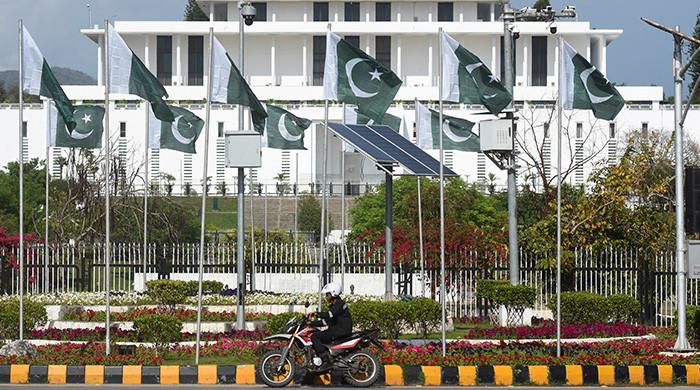
Security preparations in Islamabad are comprehensive. Public holidays, restricted zones, and heightened police and military presence are aimed at ensuring the safety of delegations and the city’s residents. PM Shehbaz has urged all parties to exercise restraint, emphasizing that diplomacy should proceed without further provocations.
A potential turning point
The upcoming talks mark a critical juncture in the US-Iran standoff, offering the first opportunity for substantive, high-level engagement since the ceasefire. Islamabad’s mediation has placed Pakistan at the center of a fragile but potentially transformative diplomatic moment. Success could stabilize the Gulf region, ease global energy markets, and demonstrate Pakistan’s capacity as a neutral and trusted facilitator in international diplomacy.
However, analysts caution that the talks are just the beginning. Any agreement will require careful negotiation, mutual concessions, and strict adherence to ceasefire terms. Violations in Lebanon or other theatres could unravel progress, while continued mistrust could prolong negotiations.
For now, the world is watching Islamabad, where both Washington and Tehran will seek a resolution that balances security, sovereignty, and regional stability. Pakistan’s role as host and mediator is poised to be historic, but the outcome remains uncertain amid the complex dynamics of Middle Eastern geopolitics.
Comments
No comments yet. Be the first to join the discussion!