Global focus on Islamabad as fragile ceasefire tested
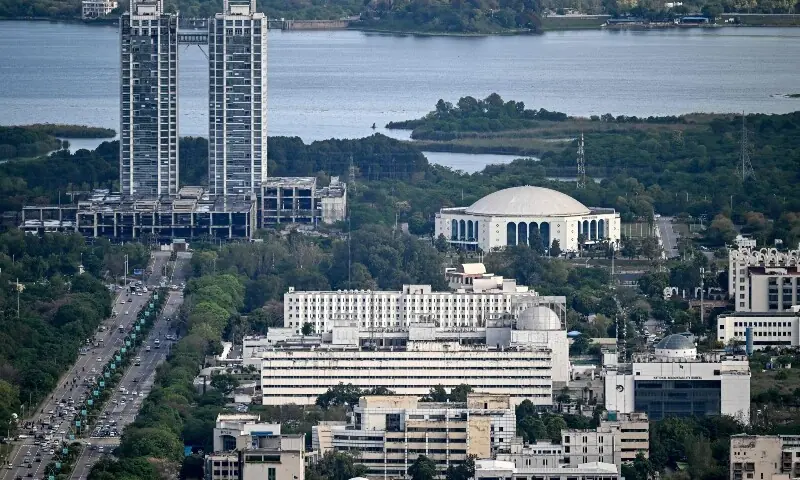
Pakistan will host senior US and Iranian officials in Islamabad on Friday for talks aimed at building on a fragile ceasefire after a six-week war. Security has been tightened in the capital ahead of the high-level meeting.

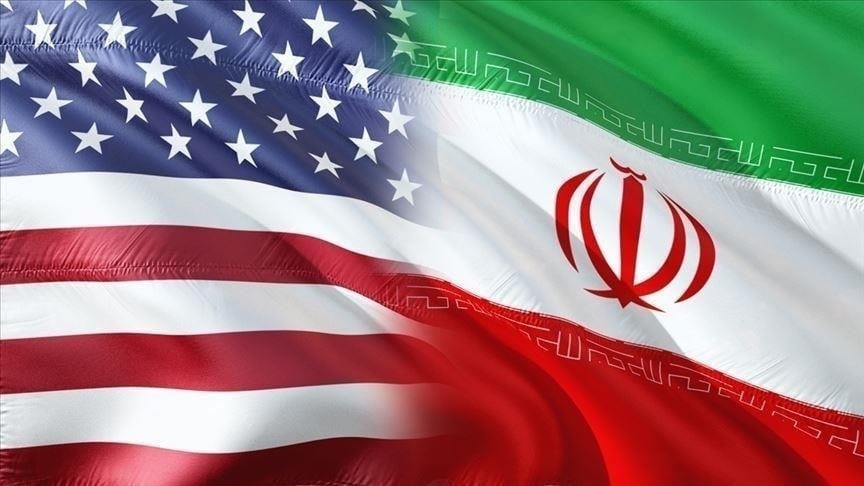
ISLAMABAD: Pakistan is set to host a pivotal round of diplomacy as senior leaders from the United States and Iran arrive in Islamabad for high-stakes talks following a six-week conflict that has left thousands dead and shaken the global economy.
Scheduled just days after a fragile ceasefire, the negotiations are aimed at determining whether the pause in hostilities can be translated into a lasting peace agreement. With tensions still simmering across the Middle East, the Islamabad dialogue is being closely watched as a key test of diplomacy.
The US delegation will be led by JD Vance, accompanied by senior envoys Steve Witkoff and Jared Kushner. Iran’s side is expected to be headed by Mohammad Baqer Qalibaf, along with Foreign Minister Abbas Araghchi and other top officials.
The presence of such high-level figures highlights the urgency of the moment and the stakes involved.
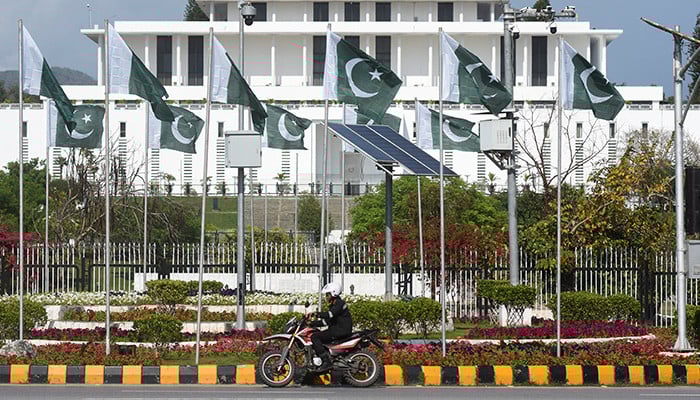
Security in Islamabad has been significantly tightened ahead of the talks, with key routes sealed and heavy deployment of personnel. Officials say the negotiations will take place at a secure, undisclosed location, away from public view.
Authorities have emphasised that Pakistan’s role is that of a facilitator, not a participant seeking visibility. The focus, officials say, is on outcomes rather than optics.
According to diplomatic sources, initial engagements are expected to be held separately, with Pakistani officials acting as intermediaries between the two sides. However, the possibility of direct interaction between US and Iranian representatives has not been ruled out.
The United States is believed to be bringing a wide-ranging proposal addressing Iran’s nuclear programme, missile development, maritime security — particularly in the Strait of Hormuz — and broader regional stability. Iran, in turn, is expected to push for guarantees against future military action, a reduction in US military presence, and mechanisms for regional de-escalation.
Despite the momentum, the ceasefire remains fragile.
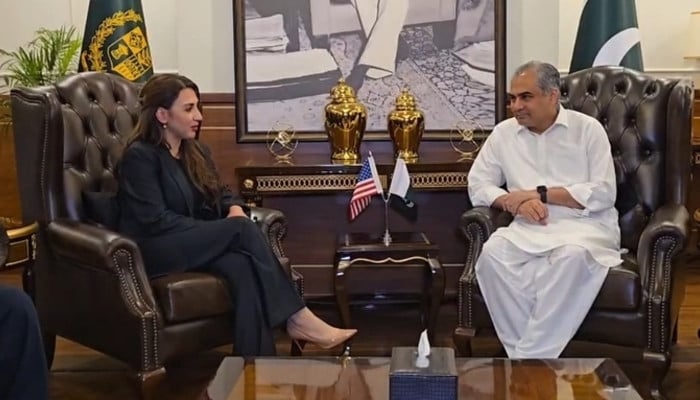
Ahead of the talks, Syed Asim Munir met Prime Minister Shehbaz Sharif to review mediation efforts. Both civilian and military leadership expressed cautious optimism but stressed the need for sustained restraint to preserve the truce.
Officials reiterated Pakistan’s readiness to support a negotiated settlement and convert the current pause in fighting into a durable peace framework.
Sources said the ceasefire had nearly collapsed at one point following Israeli strikes, but Pakistan intervened diplomatically, urging restraint and helping prevent escalation.
While the talks mark a significant diplomatic moment, officials remain measured in their expectations. As one diplomat noted, the process is complex, with deep trust deficits and multiple stakeholders — making a breakthrough possible, but far from certain.
Comments
No comments yet. Be the first to join the discussion!