Iran signals openness to Pakistan-hosted US talks under revised proposal
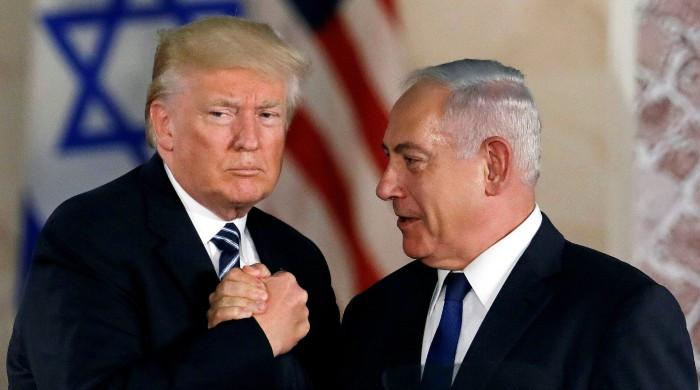
Iran has submitted a revised proposal to the US and signalled readiness for Pakistan-hosted talks as early as next week if Washington responds positively. President Donald Trump said he was not satisfied with the latest offer.

WASHINGTON: Iran has conveyed a revised proposal to the United States in an effort to restart stalled negotiations and has indicated it could return to talks in Pakistan as early as next week if Washington responds favourably, according to a Wall Street Journal report cited by Geo International.
The development comes four weeks after the United States and Israel halted their bombing campaign against Iran, with no agreement yet reached to end a war that has caused the biggest disruption ever to global energy supplies.
Iran has been blocking nearly all shipping from the Gulf except its own for more than two months. Last month, the Trump administration also imposed a blockade on ships departing Iranian ports.
US President Donald Trump said on Friday he was not satisfied with Tehran’s latest proposal, though he did not specify which parts he objected to.
"They're asking for things that I can't agree to," he told reporters at the White House.
Washington has repeatedly said it will not end the war without an agreement that ensures Iran can never obtain a nuclear weapon, which Trump cited as the main objective when he ordered strikes in February during ongoing nuclear talks. Iran, for its part, says its nuclear programme is peaceful.
Shift in Tehran’s position
The Wall Street Journal, citing people familiar with the matter, reported that Iran’s new proposal reflects greater flexibility. Under the plan, Tehran is offering to discuss its conditions for reopening the Strait of Hormuz at the same time as US guarantees to stop attacks and roll back the blockade on Iranian ports.
This represents a change from Iran’s earlier position, under which the lifting of the blockade and an agreement to end the war had to come before any wider negotiations could begin.
The proposal also envisages talks on Iran’s nuclear programme at a later stage, in return for relief from US sanctions.
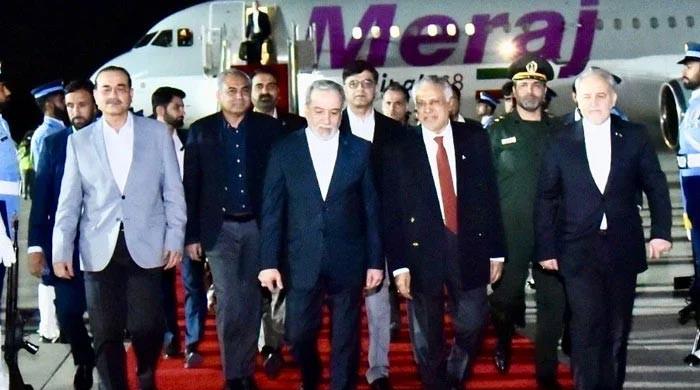
Iran has told mediators it would be prepared to sit down for talks in Pakistan by early next week if the United States is receptive to the revised offer.
Iranian state media confirmed that the proposal had been passed to mediators and said Tehran remained open to diplomacy if Washington softened its rhetoric.
Iran’s Foreign Ministry did not immediately respond to requests for comment, while the White House declined to discuss the specifics of the proposal.
“We do not detail private diplomatic conversations. President Trump has been clear that Iran can never possess a nuclear weapon, and negotiations continue to ensure the short- and long-term national security of the United States,” White House spokeswoman Anna Kelly said.
Deadlock and indirect contacts
The latest move follows weeks of deadlock after Iran did not take part in an expected second round of talks in Pakistan, with both sides instead intensifying economic pressure in the region.
US officials said Trump has directed aides to prepare for a prolonged blockade as the standoff continues to affect Iran’s trade and keep global oil prices high.
Despite the revised proposal, Iran has continued to say it is not willing to make major concessions on its nuclear programme. In an earlier plan, Tehran had insisted that discussion of its nuclear file would begin only after matters related to the Strait of Hormuz and the war were settled.
Washington, meanwhile, is still pressing for Iran to halt uranium enrichment for up to 20 years and hand over its stockpile of highly enriched material, a demand Tehran has resisted.
Even as tensions persist, indirect communication has continued through intermediaries including Pakistan, Qatar, Egypt and Turkiye.
Neither side has ruled out negotiations. However, a possible meeting in Pakistan last week did not take place after Tehran did not confirm its participation, prompting the United States not to send senior officials. During that period, Iranian Foreign Minister Abbas Araghchi visited Islamabad twice.
Comments
No comments yet. Be the first to join the discussion!