Islamabad shares Tehran's revised proposal with Washington to end war
Pakistan has conveyed Tehran’s revised proposal to the US to revive stalled negotiations to end the Middle East conflict. Nuclear and Strait of Hormuz disputes remain major hurdles.


-- Nuclear dispute and maritime tensions remain core obstacles
-- New Iranian maritime body signals tighter Hormuz oversight
-- Pakistan’s diplomatic role under spotlight
-- Regional spillover raises broader security concerns
ISLAMABAD: Pakistan has reportedly conveyed a revised Iranian proposal to the United States in an effort to revive stalled negotiations aimed at ending the ongoing Middle East conflict, according to a Pakistani source cited by Reuters.
The source said urgency was mounting in diplomatic channels, noting: “We don’t have much time,” while adding that both sides have been repeatedly shifting positions, complicating efforts to reach a breakthrough.
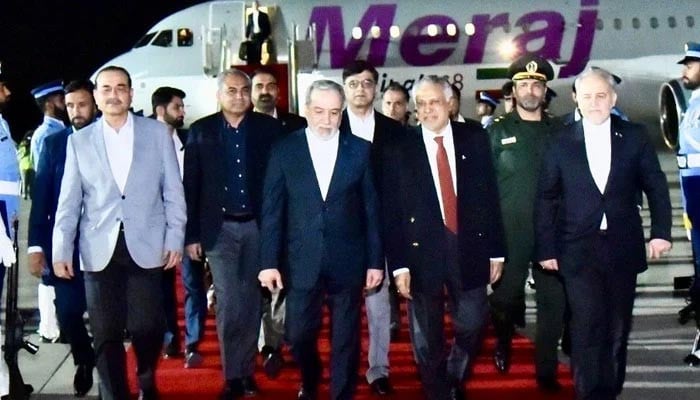
Iranian Foreign Ministry spokesperson Esmaeil Baghaei confirmed that Tehran’s latest position had been delivered to Washington through Pakistan’s mediation channel, underscoring Islamabad’s continued role as an intermediary in indirect talks.
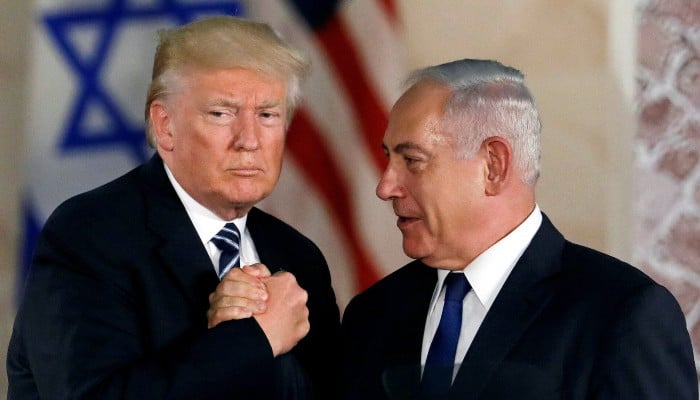
The development comes as efforts to sustain a fragile ceasefire between Iran and the United States—reportedly established in early April—remain under strain. US President Donald Trump has suggested that the agreement is “on life support,” citing unresolved differences over key issues.
Amid this escalating environment, Pakistan’s backchannel diplomacy has gained renewed attention, with officials continuing to shuttle proposals between Tehran and Washington in an effort to narrow differences.
However, sources indicate that significant gaps remain, particularly on core strategic issues, leaving prospects for an early breakthrough uncertain despite ongoing engagement.
At the centre of the impasse are longstanding disagreements over Iran’s nuclear programme and its strategic posture in the Strait of Hormuz, a critical global shipping route that carries nearly one-fifth of global oil and liquefied natural gas shipments.
Iran has maintained that it will not engage in detailed nuclear negotiations unless hostilities fully cease, while also demanding guarantees against future attacks, compensation for wartime damage, and an end to US military pressure in the region.
Tehran has also linked broader regional stability to parallel conflicts involving US allies, including the situation in Lebanon where tensions involving Hezbollah continue to escalate.
Iranian officials have further stated that the country is prepared for all scenarios, warning against further escalation while reiterating that it will respond firmly to any perceived threats.
In a parallel development, Iran’s Supreme National Security Council has announced the formation of a new body to oversee operations in the Strait of Hormuz, referred to as the “Persian Gulf Strait Authority,” which will reportedly issue real-time updates on maritime activity.
The move comes amid heightened concern over shipping disruptions in one of the world’s most strategically sensitive waterways.
The diplomatic deadlock coincides with growing regional instability, including drone attacks targeting Gulf infrastructure. Several Gulf states, including Kuwait, Qatar, and Oman, have issued strong statements condemning recent strikes on Saudi and Emirati territory, calling for restraint and adherence to international law.
The United Nations has also expressed alarm over attacks near critical infrastructure, particularly the Barakah Nuclear Energy Plant in the United Arab Emirates, warning that strikes near civilian nuclear facilities could have catastrophic consequences and must be avoided under international law.
Comments
No comments yet. Be the first to join the discussion!