June 12, 2026
Karachi heat index rises to 51°C as humid conditions intensify
Karachi’s heat index climbed to 51°C on Thursday as the city faced intense heat and humidity. Health experts reported a 10 to 15 per cent rise in heat-related illnesses across Sindh.

June 12, 2026
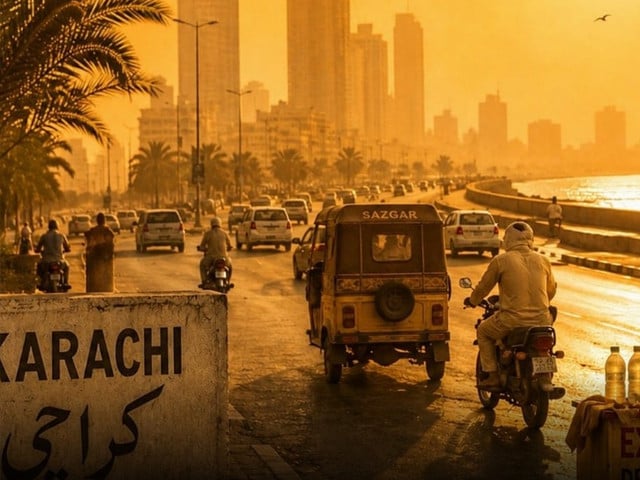
KARACHI: Karachi sweltered under severe heat and humidity on Thursday, with the Pakistan Meteorological Department recording the city’s maximum temperature at 40°C while the heat index, or feels-like temperature, climbed to 51°C.
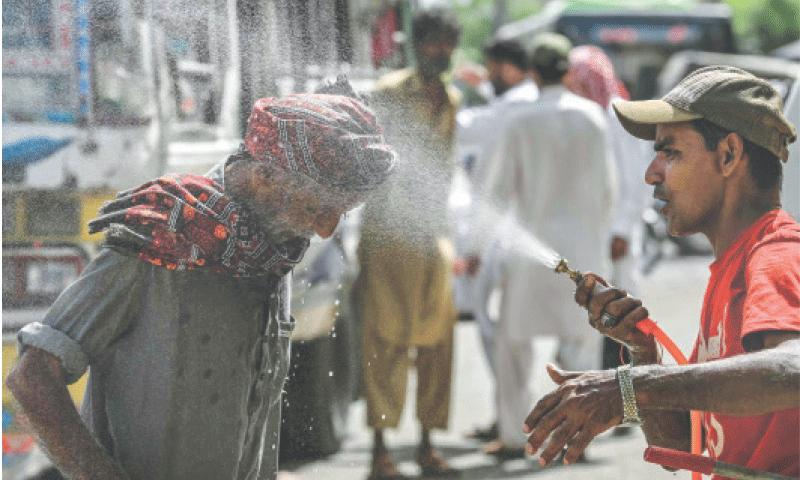
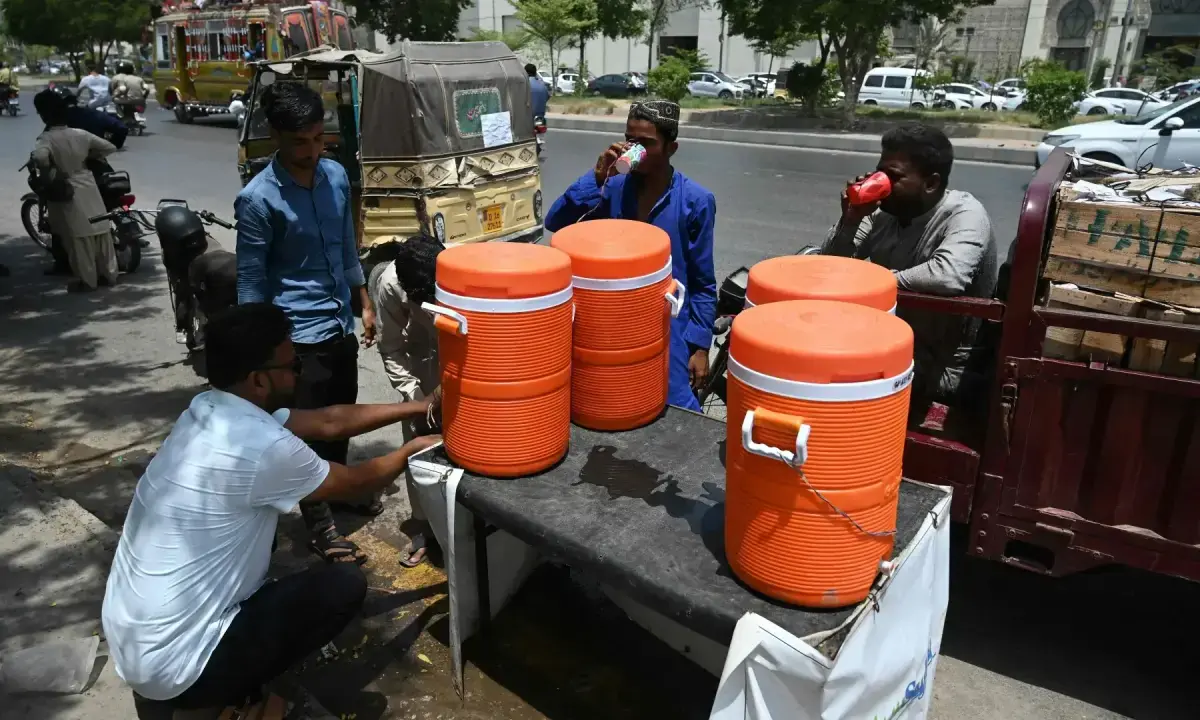
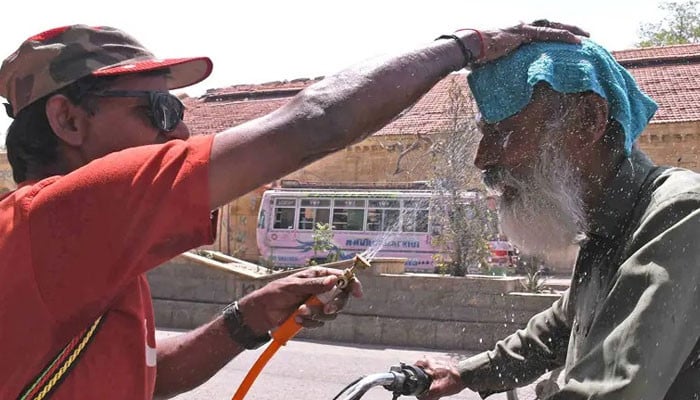
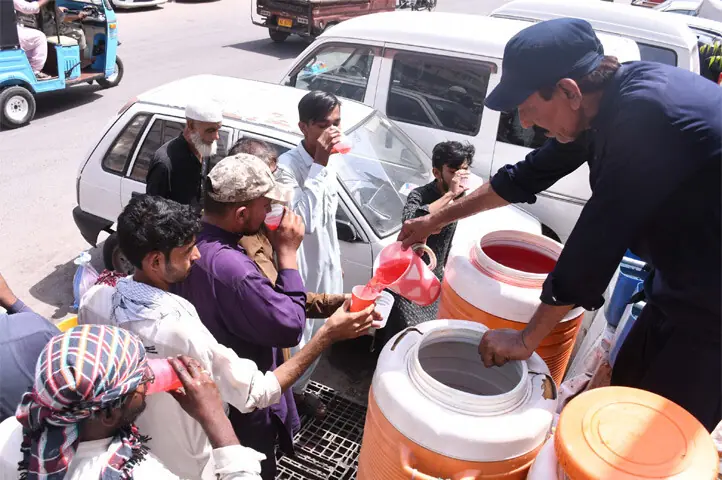
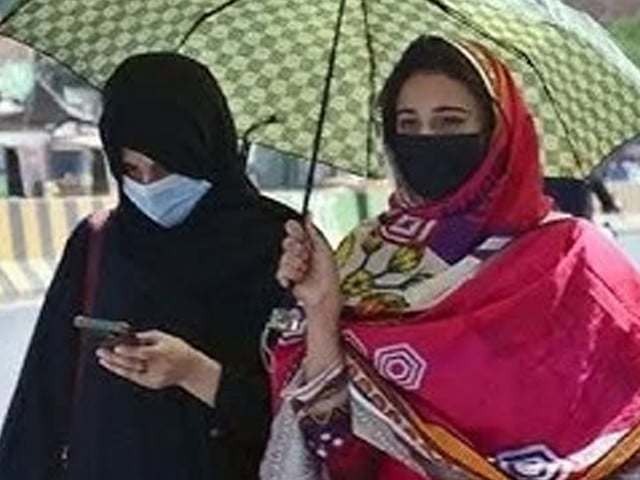
By midday, the harsh weather had thinned traffic on roads as delivery riders took shelter beneath flyovers, labourers paused work in shaded spots and commuters struggled with the oppressive conditions. According to the PMD, a high-pressure system that formed over the region on June 8 has driven temperatures higher across Sindh, while weak sea breezes and rising humidity have made conditions in Karachi more difficult.
Humidity of around 50 per cent pushed the perceived temperature well above the actual reading, creating stifling conditions across the city. The heat wave’s impact was even sharper in interior Sindh, where Shaheed Benazirabad recorded 51°C, equalling a temperature previously registered there on June 8, 2011. Meteorologists described it as the return of an extreme weather event after nearly 15 years.
Heat-related illnesses increase
Hospitals have reported a marked rise in patients affected by the heat. Health experts said cases of heat exhaustion, dehydration, low immunity, joint pain, stomach ailments and skin diseases have increased by 10 to 15 per cent in recent days as large parts of Sindh remain in the grip of the heat wave.
Medical professionals warned that long exposure to such weather can lead to serious health problems, especially for people who work outdoors for extended periods. JPMC Emergency In-charge Dr Irfan Siddiqi told local media that heat stroke cases are steadily rising in Karachi and other hot areas because of soaring temperatures and direct exposure to the sun.
He identified outdoor workers as among the groups most at risk during the ongoing spell of extreme weather. "Outdoor workers, especially delivery riders, construction labourers, traffic personnel and daily-wage workers, are among the most vulnerable groups during the ongoing heat wave," he said.
Dr Siddiqi advised residents to avoid unnecessary outdoor movement between 10am and 4pm, when solar radiation is at its peak.
0 Comments
No comments yet. Be the first to join the discussion!