Study highlights severe impact of power outages and climate change on Karachi labourers
A new study finds that prolonged power outages and climate change are severely affecting Karachi's labourers, disrupting work, increasing health risks, and deepening poverty among vulnerable families.

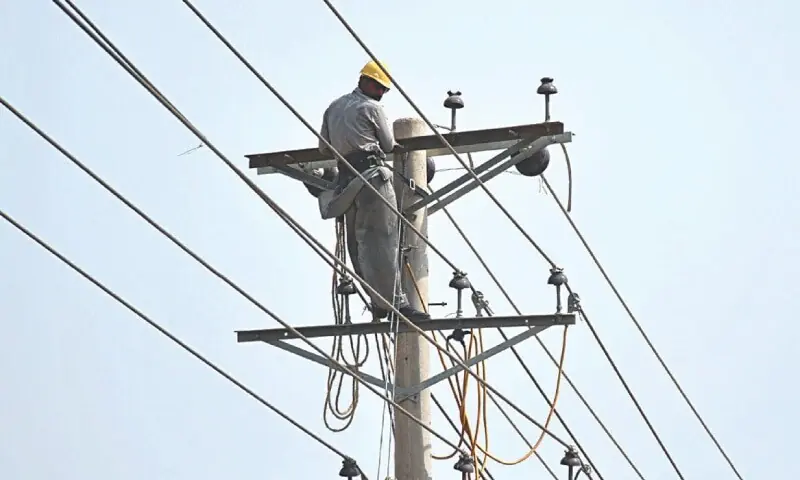
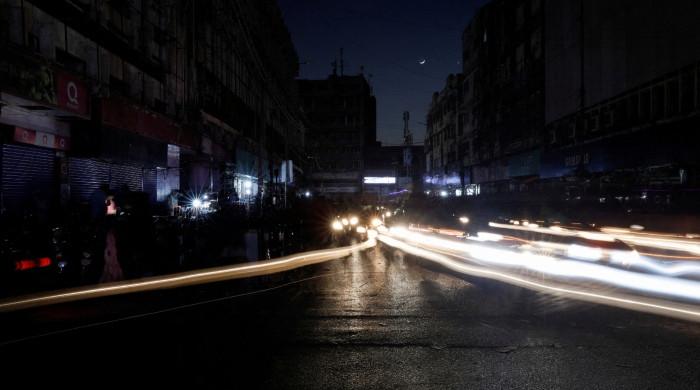
A recent study released by the Pakistan Institute of Labour Education and Research (Piler) has revealed that nearly one-third of Karachi's industrial labourers, particularly those residing in low-income areas, are subjected to prolonged power outages, with daily loadshedding lasting between 18 and 20 hours. Some workers reportedly experience blackouts that exceed 20 hours, familiar with the study.
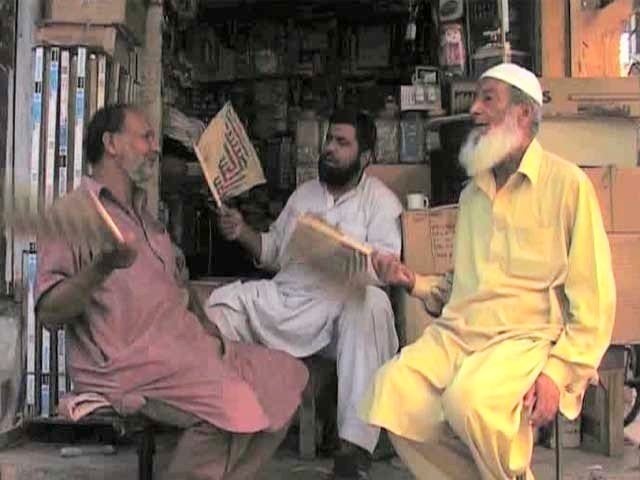
The findings, presented at the Human Rights Commission of Pakistan office on Wednesday, indicate that these extended power cuts are making daily life increasingly difficult for affected families. The study notes that the lack of electricity, combined with extreme heat, disrupts workers’ ability to rest, leading to sleep deprivation. This, in turn, negatively impacts their productivity and overall work performance, ultimately reducing their income.
Sources report that the financial strain caused by diminished earnings is contributing to heightened stress within households. The study highlights a rise in domestic violence, as well as increased instances of mental health issues among affected families. Additionally, stagnant water and persistent high temperatures are creating conditions conducive to the spread of mosquitoes and heat-related illnesses, further endangering the health of vulnerable communities.
According to the study, the combination of economic hardship, health risks, and social stressors is pushing many families deeper into poverty. The report describes this situation as a "vicious cycle" that is becoming increasingly difficult for affected households to break.
The study underscores the urgent need for interventions to address the compounding challenges posed by power shortages and climate change, particularly for those living and working in Karachi's most disadvantaged neighborhoods.
Comments
No comments yet. Be the first to join the discussion!